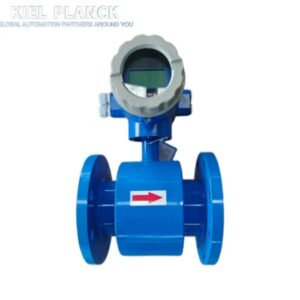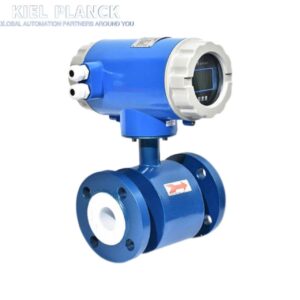
Not all electromagnetic flow meters support reverse measurement, but the vast majority of modern intelligent electromagnetic flow meters have bidirectional measurement capabilities. Reverse flow measurement and metering can be achieved through parameter settings. This feature gives them unique advantages in scenarios such as pipeline monitoring and reflux systems.
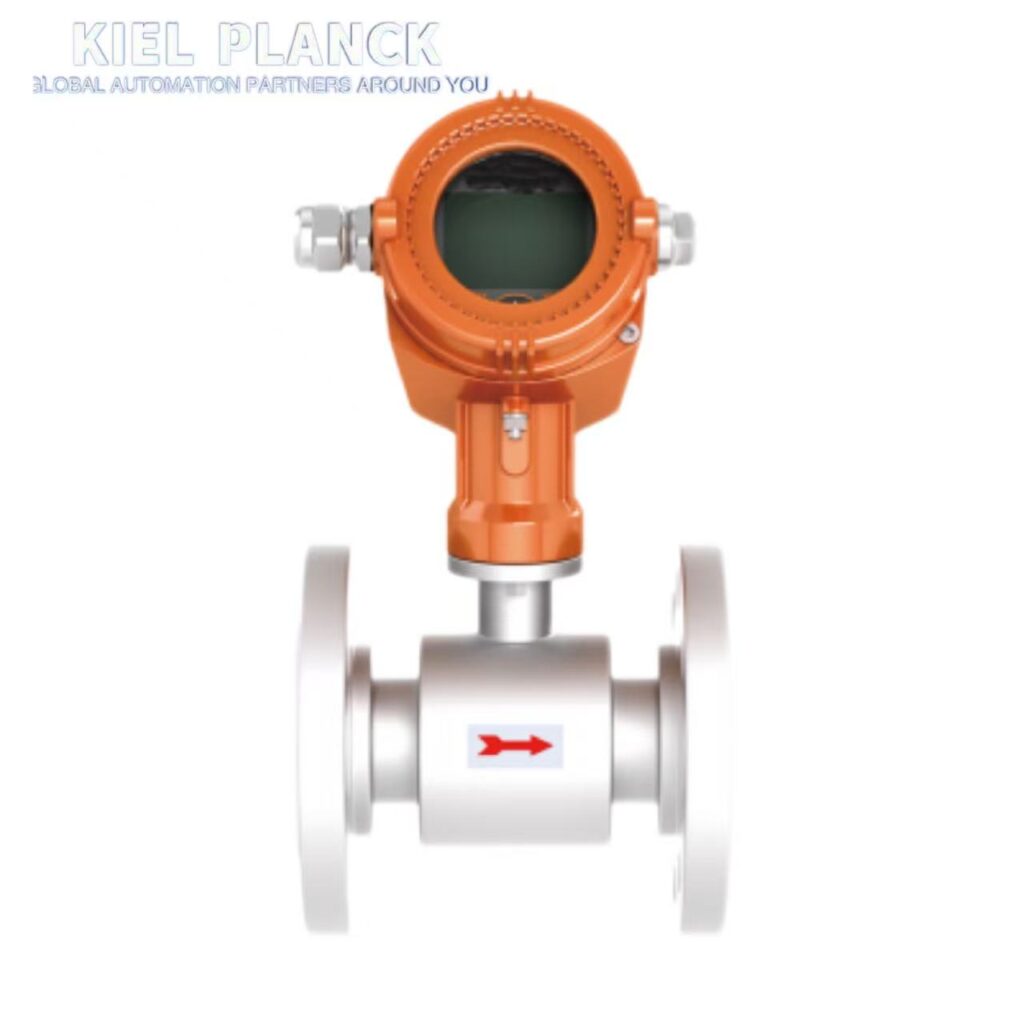
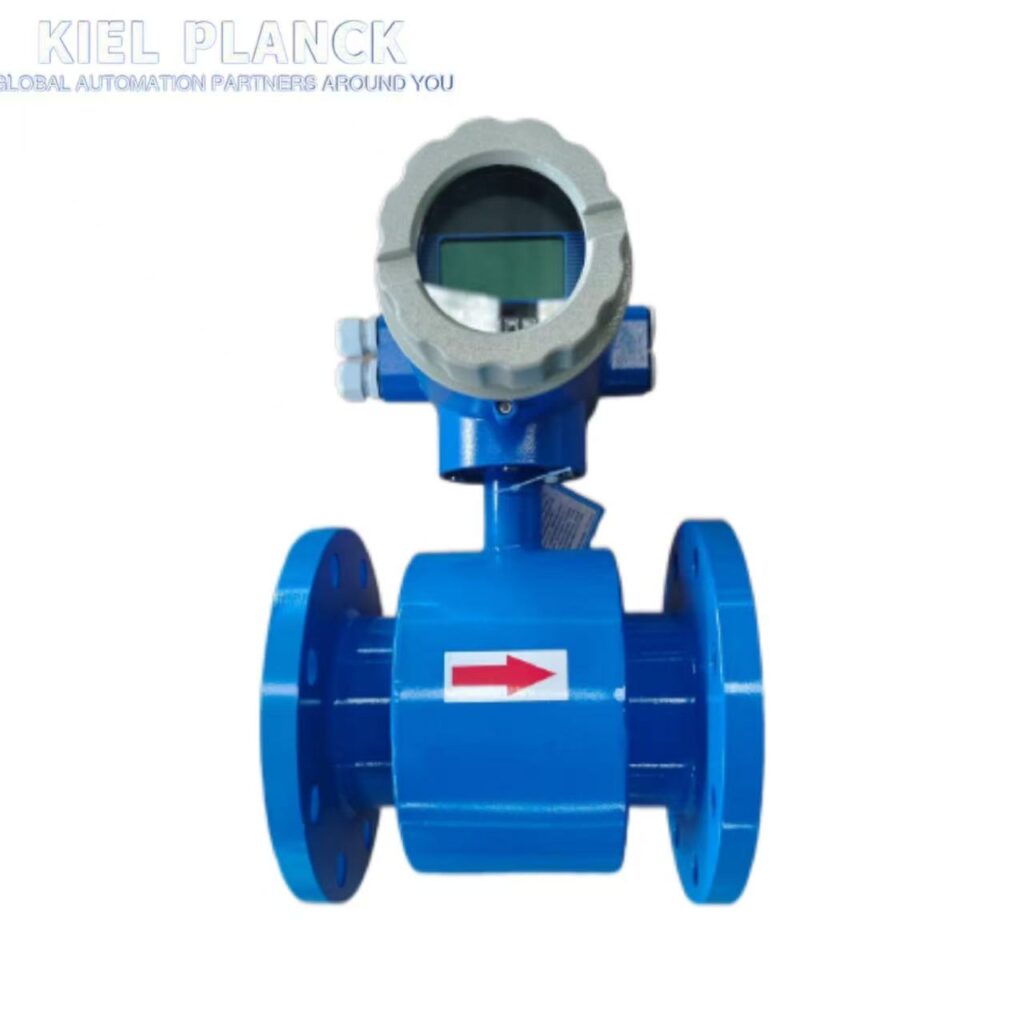
Not all electromagnetic flow meters support reverse measurement, but the vast majority of modern intelligent electromagnetic flow meters have bidirectional measurement capabilities. Reverse flow measurement and metering can be achieved through parameter settings. This feature gives them unique advantages in scenarios such as pipeline monitoring and reflux systems.
I. Core Principle of Reverse Measurement Function
Electromagnetic flowmeters operate based on Faraday’s law of electromagnetic induction. When a conductive fluid flows in a magnetic field, an induced electromotive force (EMF) is generated, the magnitude of which is proportional to the flow velocity. Crucially, a change in fluid flow direction causes the polarity of the induced EMF to reverse. The flowmeter’s internal signal processor determines the flow direction by detecting the polarity of this weak voltage signal.
When the fluid flows in reverse:
The induced EMF direction reverses.
The signal processor detects a negative signal.
The system can select to include this negative flow rate in the reverse total.
II. Implementation Method of Reverse Measurement Function
1. Hardware and Software Support
Hardware Foundation: All electromagnetic flowmeter sensors can detect changes in the polarity of the induced EMF, which is the physical basis for reverse measurement.
Software Enablement: Whether reverse metering functionality is available depends on the converter’s software design. Many modern intelligent converters are designed with this function, but some basic models or earlier products may only support unidirectional metering.
2. Parameter Setting Method
Most modern electromagnetic flowmeters supporting this function allow users to enable or disable reverse metering via the parameter menu. For example:
Select “Reverse Metering” mode through the “Forward/Reverse Metering Function” parameter.
You can also change the Flow direction parameter from Positive to Negative by entering the Basic settings menu.
Some models require modification of the flow direction selection for zero-point correction.
3. Metering and Display Method
Electromagnetic flowmeters supporting reverse measurement typically feature:
Three independent totalizers: recording the total forward flow, total reverse flow, and the difference in flow rate.
Bidirectional signal output: simultaneously outputting current, pulse, or digital communication signals for both forward and reverse flow.
Negative value display: displaying a negative flow rate during reverse flow for easy visual identification.
Installation and Usage Precautions
Sensor Arrow Marking: Electromagnetic flowmeter housings are usually marked with flow direction arrows. Ensure the arrows align with the actual flow direction during installation.
Incorrect Installation: Incorrect installation direction can be corrected through parameter settings; no physical replacement is required.
Avoid Air Bubbles: Air bubbles affect measurement accuracy. Ensure the pipe is full.
Regular Calibration: It is recommended to calibrate every 6-12 months to ensure bidirectional measurement accuracy.
Tips
Selection Confirmation Points: Clearly inquire with the supplier whether reverse metering is supported and whether it is a standard configuration. Some basic models may require an additional fee to enable this function.
Parameter Setting Tips: Before changing the measurement direction, it is recommended to record the original parameters for quick restoration if necessary.
Signal Processing: If the reverse flow signal needs to be connected to a PLC or DCS system, confirm that it can correctly process negative signals.
Special Operating Conditions: For media containing a large number of air bubbles or solid particles, reverse measurement accuracy may decrease. It is recommended to add a filter.
Maintenance Tips: Regularly check the cumulative data in the converter to ensure that both forward and reverse metering functions are working properly and to promptly identify potential problems.
The reverse measurement function of electromagnetic flowmeters is a unique advantage that distinguishes them from some other flowmeters. By making good use of this function, the accuracy of pipeline monitoring can be effectively improved, the process can be optimized, and a fairer measurement method can be achieved in trade settlement.