
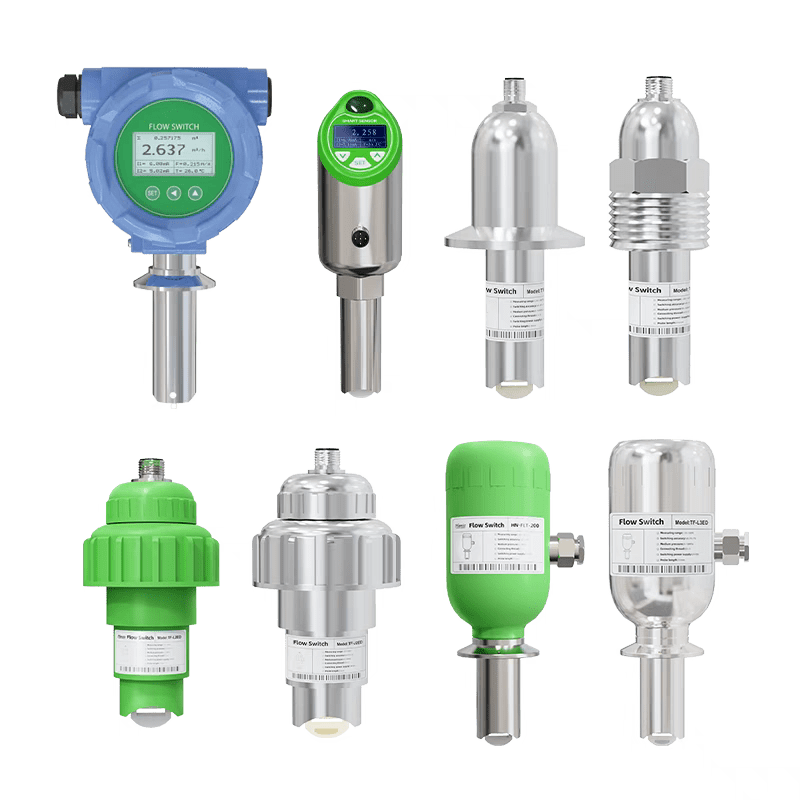
Why Accumulators Need Pressure Transmitters with Good Long-Term Stability
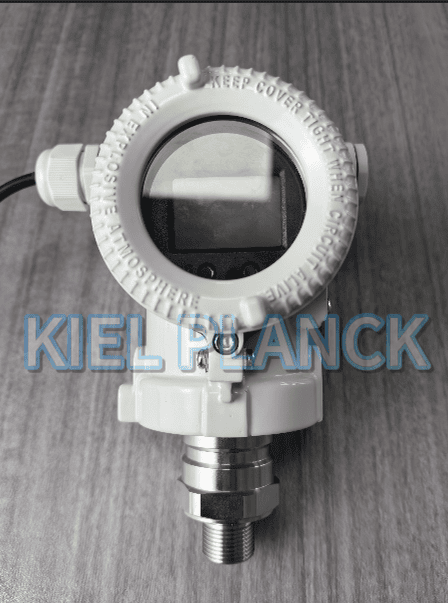
Accumulators are widely used in hydraulic systems to store pressurized fluid and provide energy when required. They can help maintain system pressure, absorb pressure fluctuations, and support equipment during temporary changes in demand. Because accumulator performance depends on pressure conditions, reliable pressure monitoring is important.
A pressure transmitter with good long-term stability can help reduce measurement drift and provide more consistent operating information over time. However, long-term stability is only one selection factor. Pressure range, overload capability, temperature effects, fluid compatibility, installation, and alarm requirements must also be considered. This article explains why accumulator pressure monitoring matters and how to select a suitable pressure transmitter.
Instrument Measurement Points for Compressor Lube Oil, Control Oil, and Power Oil Systems
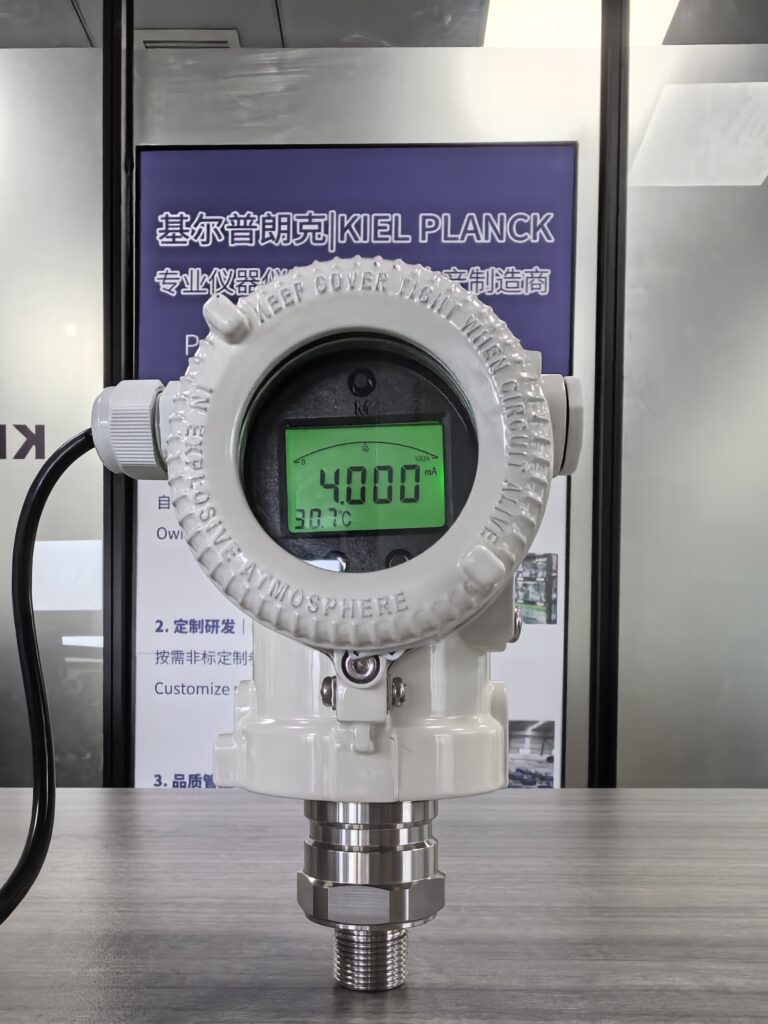
Oil systems are essential to the operation of many industrial compressors and rotating machines. Lubricating oil reduces friction and helps protect bearings, while control oil and power oil systems may provide hydraulic energy for actuators and other equipment. Each system has different operating purposes, but all require suitable monitoring to support safe and reliable operation.
Pressure, differential pressure, flow, and temperature are common measurement parameters. Level monitoring may also be required for oil reservoirs and tanks. This article explains the main instrumentation points that engineers should review when designing or purchasing instruments for compressor lube oil, control oil, and power oil systems.
Selecting High and Low Level Alarms for Mechanical Seal Leakage Collection Tanks
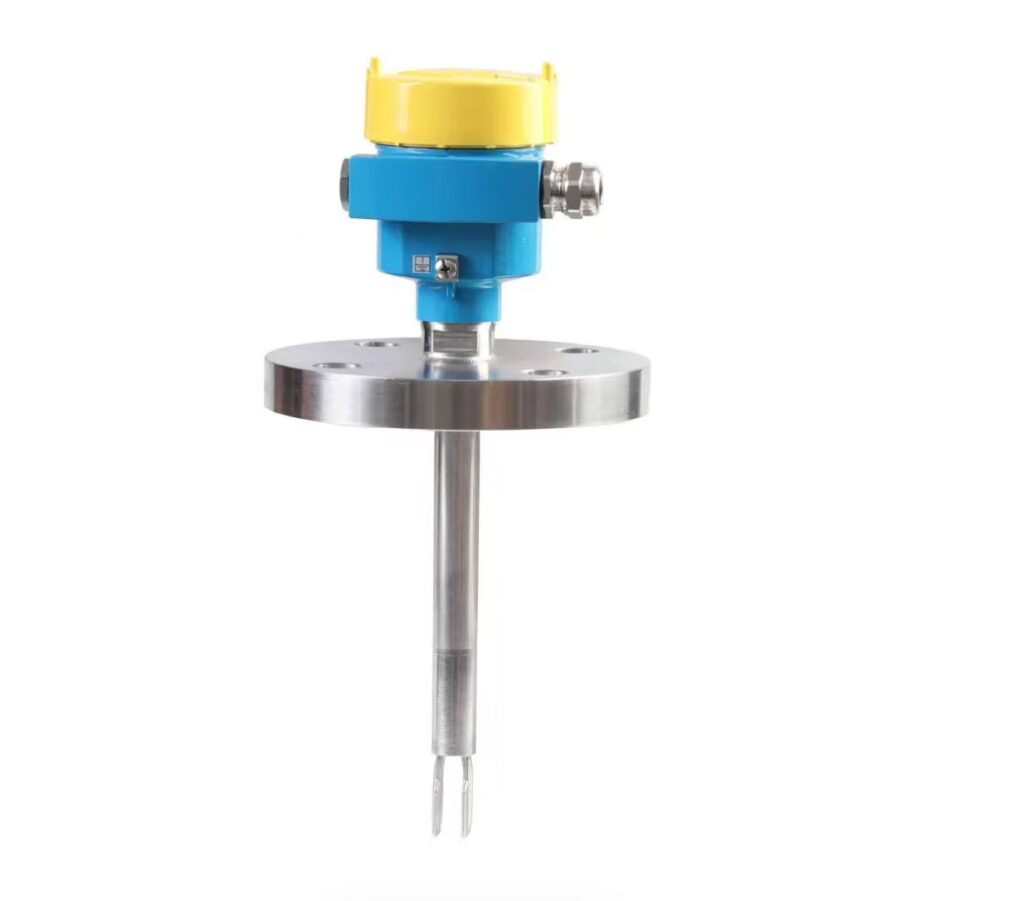
Mechanical seal leakage collection tanks and drain pots are used in many industrial pump and compressor installations. Their liquid level can provide useful information about leakage collection, drainage conditions, and system operation. If the liquid level becomes too high, the tank may overflow or affect the connected piping. If the level becomes too low, operators may need to investigate whether the collection system is functioning as expected.
Vibrating fork level switches are one possible solution for high- and low-level point detection. They can provide switching signals to a PLC, DCS, or alarm system when the liquid reaches a defined installation point. However, correct selection requires more than choosing a stainless-steel sensor. Fluid compatibility, temperature, installation position, and electrical output must all be considered.
Instrumentation for API Plan 53A and Plan 53B: Barrier Fluid Pressure and Circulation Monitoring
API Plan 53A and Plan 53B are pressurized barrier-fluid support systems used with dual pressurized mechanical seals. Reliable instrumentation is important because barrier-fluid pressure, temperature, and circulation conditions can influence seal performance. Pressure monitoring helps operators verify that the barrier-fluid system maintains the required pressure relationship, while circulation monitoring can provide information about heat removal and fluid movement.
API Plan 52 Instrumentation Guide: Pressure Monitoring and High/Low Level Alarms
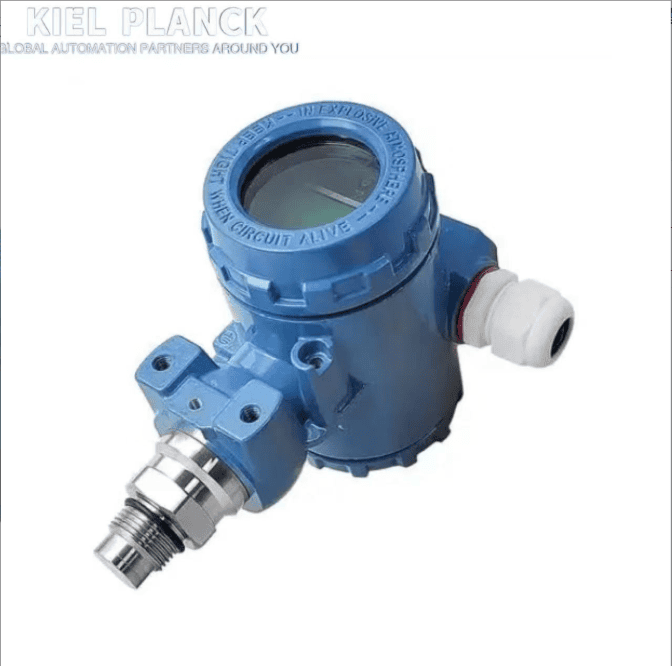
API Plan 52 is commonly associated with an unpressurized dual-seal arrangement in which a buffer fluid system is used between the primary and secondary seals. The support system typically includes a buffer-fluid reservoir and associated piping, with instrumentation selected according to the seal design, process conditions, and project control philosophy.
Pressure monitoring and liquid-level monitoring are important parts of this arrangement. A pressure measurement can help operators observe the condition of the reservoir or connected system, while high- and low-level alarms can indicate changes in buffer-fluid inventory. However, the exact instruments, alarm limits, and connections should always be confirmed against the approved seal support system design. This guide explains the main instrumentation considerations for an API Plan 52 reservoir.
Compressor Seal Chamber Pressure Measurement: 3 Key Points for Single-Crystal Silicon Pressure Transmitters
Accurate pressure monitoring is essential for compressor mechanical seal systems. Incorrect pressure readings may affect seal performance and equipment reliability.

