
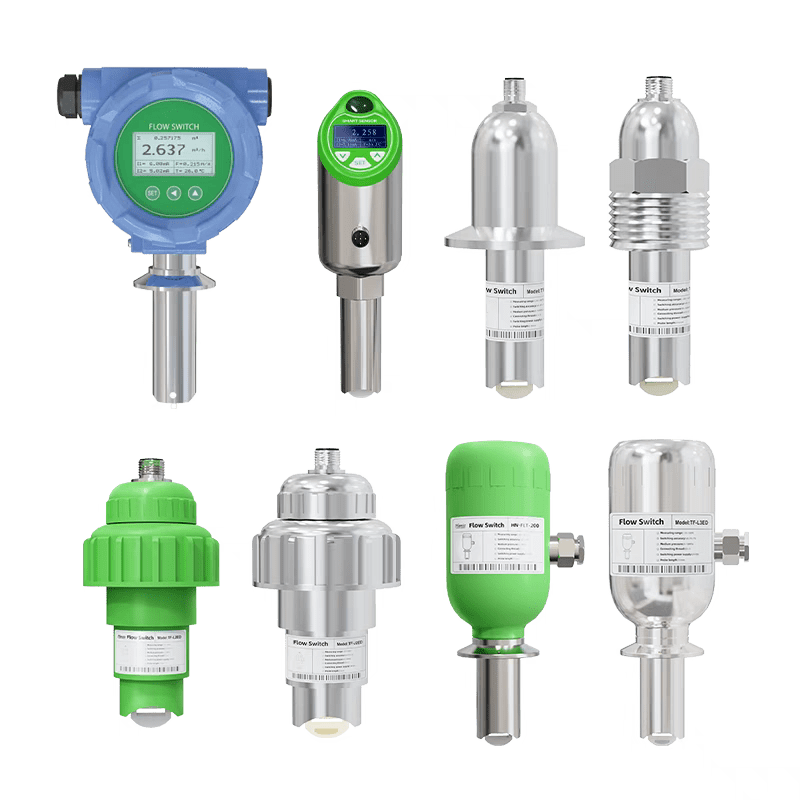
Pressure and Flow Measurement in Hydrogen Purification and Drying Systems
Hydrogen purification and drying systems are important parts of industrial hydrogen production. After hydrogen leaves the electrolyzer or another production process, it may contain moisture, oxygen, or other impurities that must be reduced to meet downstream requirements.
Pressure and flow measurements help operators monitor the operating conditions of purification vessels, dryers, filters, and connecting pipelines. Pressure transmitters can monitor inlet and outlet pressure, while flowmeters can measure hydrogen flow through the treatment system. Differential pressure instruments may also help identify increasing resistance across filters or other components.
This article explains the main pressure and flow measurement points to consider when designing instrumentation for hydrogen purification and drying systems.
Instrumentation Checklist for PEM Electrolyzers: From Stack Pressure to Pure Water Feed Flow
PEM water electrolysis systems require accurate monitoring of pressure, flow, temperature, and liquid conditions throughout the process. From the electrolyzer stack and water feed system to gas-liquid separation and downstream hydrogen treatment, each measurement point supports a different operating function.
Pressure transmitters can monitor stack and gas system pressure. Flowmeters can measure pure water feed and cooling-medium flow. Level switches can provide alarms in collection vessels and separator equipment where applicable.
This article provides a practical overview of instrumentation points commonly considered in PEM electrolyzer packages and explains the key factors involved in selecting suitable instruments. The final instrument list must always follow the actual process design, manufacturer documentation, and project control philosophy.
Hydrogen and Oxygen Differential Pressure Monitoring in Alkaline Electrolyzers
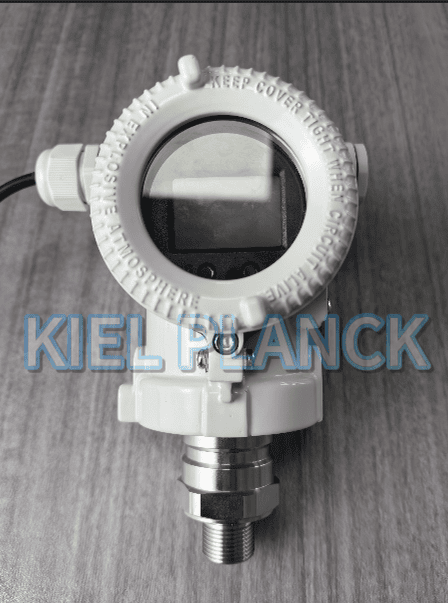
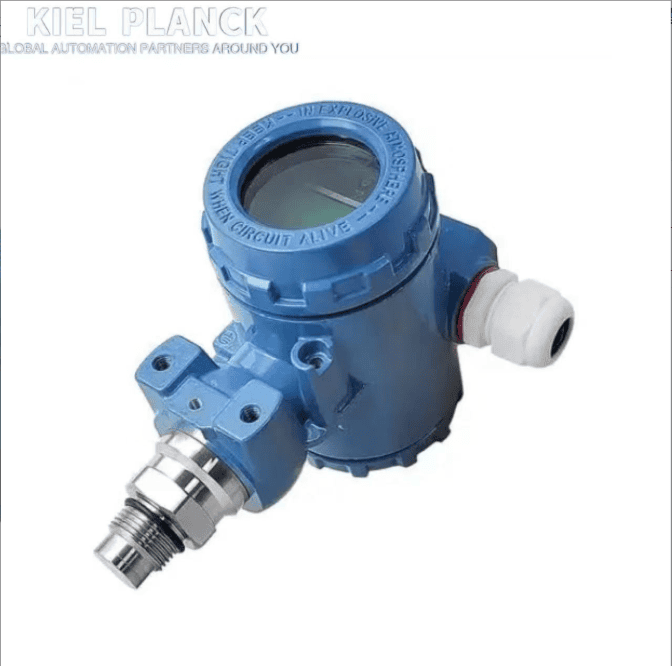
Differential pressure monitoring between the hydrogen and oxygen sides is an important consideration in alkaline water electrolysis systems. The two gas streams are generated in separate compartments, and their pressure relationship must remain within the operating limits defined by the electrolyzer manufacturer. Abnormal differential pressure may affect separator operation, gas purity, and system safety.
A differential pressure transmitter can provide continuous measurement of the pressure difference between designated hydrogen-side and oxygen-side points. However, the measurement arrangement, range, response, and alarm limits must be designed specifically for the electrolyzer. This article explains the role of differential pressure monitoring in alkaline electrolysis and the key factors involved in selecting a suitable instrument.
Explosion-Proof Instrument Selection for Water Electrolysis Hydrogen Production Systems
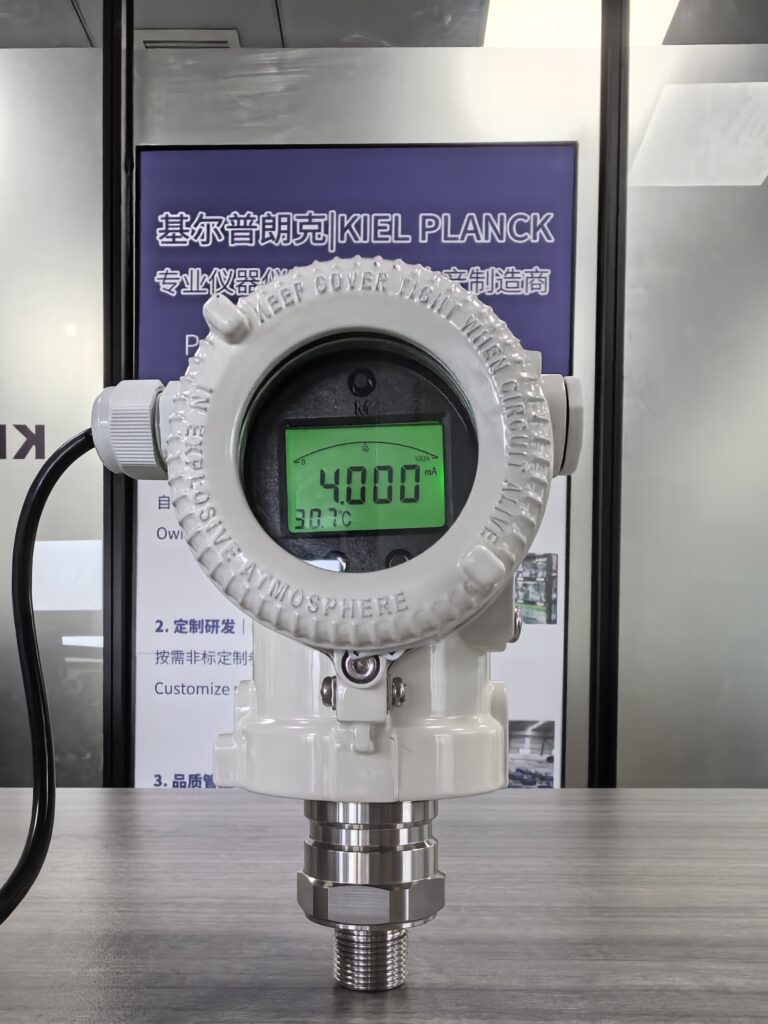
Water electrolysis hydrogen production systems contain several measurement points where pressure, flow, and liquid level must be monitored. Depending on the plant layout and hazardous-area classification, instruments may need to meet specific explosion-protection requirements. Pressure transmitters, flowmeters, and level switches must be selected according to the process conditions as well as the applicable electrical and safety requirements.
This article explains how to approach instrument selection for alkaline and PEM electrolysis systems, including pressure monitoring, water and gas flow measurement, liquid-level detection, and hazardous-area documentation. The actual instrument list must be developed from the project P&ID, area classification drawings, process data, and applicable standards.
Six Questions to Ask Before Buying Compressor Instrumentation
Purchasing instruments for a compressor package involves more than comparing product prices and technical specifications. Pressure transmitters, differential pressure instruments, flowmeters, and level switches must match the actual equipment design and operating conditions.
Before purchasing, buyers should understand the measurement purpose, pressure range, process medium, temperature, output signal, and installation requirements. This is particularly important for mechanical seal support systems, lubrication stations, and hydraulic accumulators.
This article presents six practical questions that compressor manufacturers, system integrators, and procurement engineers should ask before selecting instruments.
Hidden Instrumentation Points in Oil Coolers and Oil Filters: Differential Pressure and Level Monitoring
Oil coolers and oil filters are important components in industrial lubrication and hydraulic systems. Although pressure and temperature measurements around the main pump often receive the most attention, the cooler and filter can also contain important monitoring points.
Differential pressure measurement can help identify increasing filter restriction or abnormal pressure loss across a cooler. Level alarms can help monitor oil reservoirs and associated collection tanks where required. Selecting suitable pressure transmitters, differential pressure instruments, and level switches requires an understanding of the actual fluid properties, operating conditions, and equipment design.
Centrifugal Pump Mechanical Seal Failure: Why the Support System Deserves Attention
Mechanical seal failure is a common maintenance concern in industrial centrifugal pump applications. Although the seal itself is often the first component inspected, the actual cause may be related to operating conditions or an improperly functioning seal support system. Pressure, temperature, flow, and liquid level can all influence the operating environment around the mechanical seal.
Suitable instrumentation helps operators identify abnormal trends before they develop into more serious equipment problems. Pressure transmitters, differential pressure transmitters, flow switches, flowmeters, temperature sensors, and level switches can all play a role, depending on the seal arrangement. This article explains the key measurement points that pump manufacturers and system integrators should consider.
Preventing Magnetic Drive Pump Dry Running: Combining Level and Flow Monitoring
Magnetic drive pumps are widely used in chemical processing and other applications where a sealless design can help reduce the risk of external leakage. However, a magnetic drive pump still requires suitable operating conditions. Dry running or insufficient liquid supply can cause excessive heat, damage internal components, and shorten equipment service life.
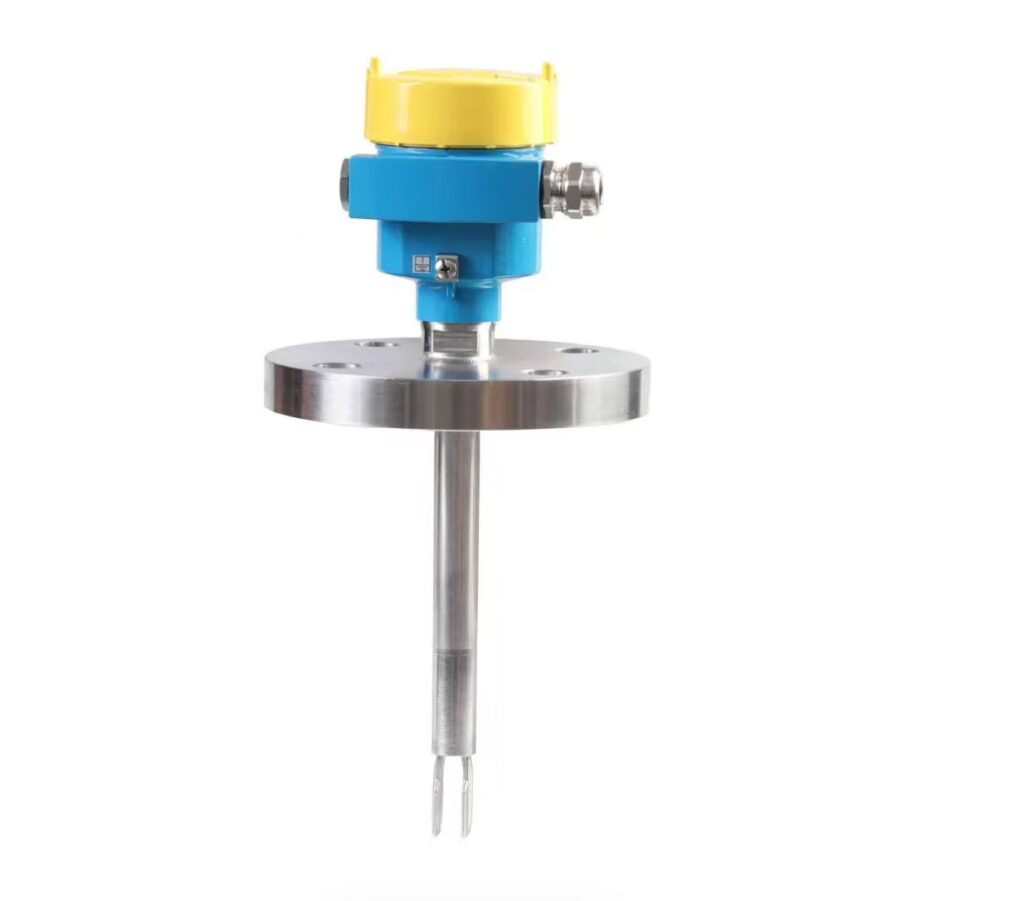
Combining tank level monitoring with flow monitoring can provide additional information about liquid availability and pump operation. A vibrating fork level switch can detect whether liquid is present at a defined tank level, while a flow switch or flowmeter can monitor the discharge line. These instruments do not replace correct pump design or operating procedures, but they can support a more effective monitoring strategy.
High-Temperature Oil Pump Instrumentation: Avoiding Pressure and Flow Measurement Problems
High-temperature oil pumps are used in thermal systems, industrial production lines, heating equipment, and other applications where hot oil must be circulated reliably. Instrument selection in these systems requires special attention because high process temperatures can affect sensors, seals, electronic components, and measurement accuracy.
Pressure and flow are two important parameters for monitoring pump operation. However, selecting an instrument based only on its pressure range or pipe size is not enough. Engineers must also consider actual oil temperature, viscosity, pressure pulsation, material compatibility, installation distance, and the required control function.
This article explains common challenges in high-temperature oil pump instrumentation and provides a practical checklist for selecting pressure transmitters and flow measurement devices.

