Why Instrument Selection Should Start Before Purchasing
A compressor package may include several auxiliary systems, such as:
Mechanical seal support system.
Lubricating oil station.
Control oil station.
Hydraulic power unit.
Accumulator system.
Cooling-water system.
Drainage and collection tanks.
Each system may require different measurement instruments.
A pressure transmitter selected for the main process line may not be suitable for a low-pressure seal support application. A flowmeter suitable for water may not be appropriate for viscous oil. A level switch suitable for clean water may not perform as expected in a liquid that forms deposits.
To avoid these problems, purchasing engineers should collect the technical information before requesting quotations.
Question 1: What Exactly Needs to Be Measured?
The first question is the measurement purpose.
A pressure transmitter, pressure switch, differential pressure transmitter, and level switch perform different functions.
For example:
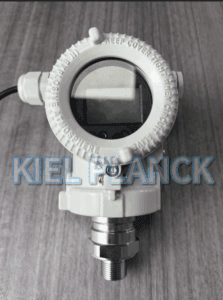
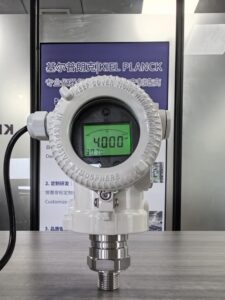
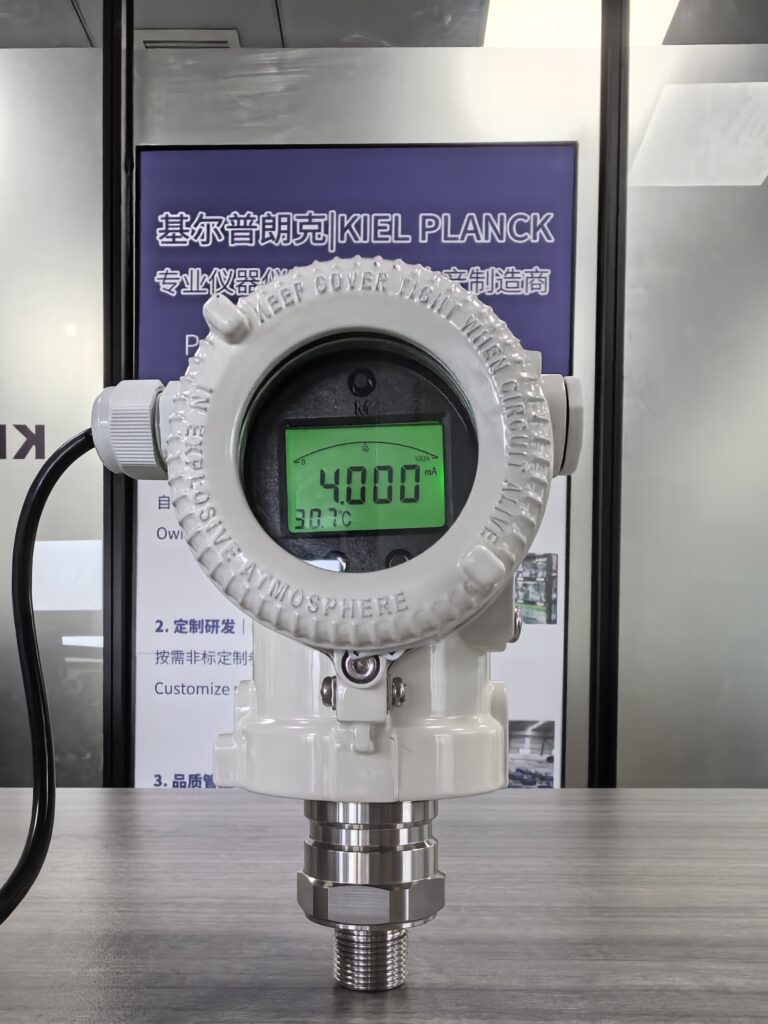
Pressure transmitter
Provides a continuous pressure signal for indication, monitoring, or control.
Pressure switch
Provides a switching signal when pressure reaches a defined threshold.
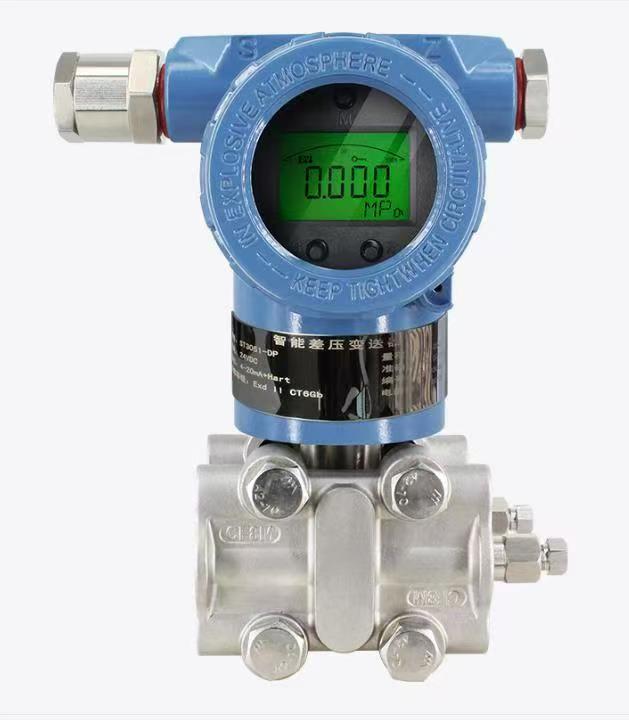
Differential pressure transmitter
Measures the difference between two pressure points. It may be used for filter monitoring or other applications requiring differential pressure measurement.
Flowmeter
Provides continuous flow information.
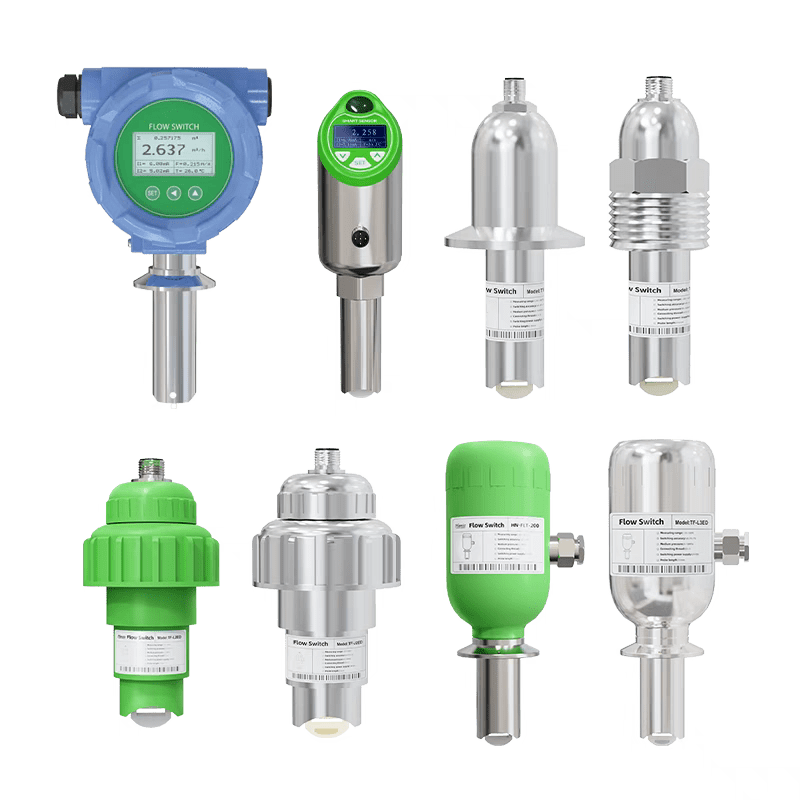
Flow switch
Provides a discrete signal when a flow condition is reached.
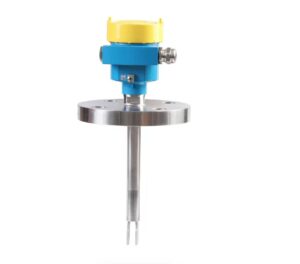
Level switch
Detects whether liquid reaches a defined level.
Before purchasing, define whether the instrument is intended for local indication, remote monitoring, alarm, control, or shutdown.
This helps prevent buying an instrument that has the correct connection size but the wrong functional capability.
Question 2: What Are the Actual Operating and Design Conditions?
The second question is about process data.
For each measurement point, obtain:
Normal operating pressure.
Minimum and maximum operating pressure.
Design pressure.
Expected pressure transients.
Normal and maximum temperature.
Process medium composition.
Flow range, where applicable.
Viscosity or conductivity, where relevant.
Ambient temperature.
Installation environment.
These details are essential for selecting the correct instrument.
For example, a pressure transmitter installed on a hot oil line must be suitable for the process temperature or use an approved temperature-isolation arrangement.
A flowmeter for water cannot automatically be used for every type of oil.
A level switch must be compatible with the actual liquid and the tank’s operating conditions.
If the process data is incomplete, the supplier may not be able to confirm the correct model.
Question 3: What Pressure Range and Accuracy Are Required?
Pressure range selection is one of the most important parts of pressure transmitter procurement.
A range that is too wide may make small pressure changes less useful. A range that is too narrow may not accommodate startup peaks or abnormal pressure conditions.
The following values should be distinguished:
Normal operating pressure.
Maximum operating pressure.
Design pressure.
Transmitter calibrated range.
Allowable overload pressure.
These values are not interchangeable.
Accuracy specifications should also be compared carefully. Some manufacturers express accuracy as a percentage of calibrated span, while others may use a different reference basis.
Ask the supplier to provide the complete accuracy definition and the relevant temperature conditions.
For applications requiring stable long-term monitoring, also request a defined long-term stability specification.
A monocrystalline silicon pressure transmitter may be considered for suitable applications where the range, accuracy, stability, materials, and other technical requirements are met.
Question 4: What Is the Process Medium and What Materials Are Required?
The process medium determines which wetted materials are suitable.
Compressor auxiliary systems may contain:
Lubricating oil.
Hydraulic oil.
Water.
Cooling water.
Buffer fluid.
Barrier fluid.
Process gas.
Condensate.
Chemical liquids.
The same transmitter may not be suitable for all these media.
Check the diaphragm material, process connection material, seal material, and any other wetted components.
For hydrogen or other special gas services, material compatibility and permeation considerations should be reviewed with the instrument manufacturer.
For corrosive liquids, the complete wetted assembly must be evaluated rather than checking only the sensor housing.
Question 5: What Output Signal and Certification Are Required?
The instrument must be compatible with the compressor control system.
Common requirements may include:
4–20 mA output.
HART communication.
PNP or NPN switching output.
Relay output.
Other project-specific interfaces.
For a level switch, the buyer should confirm whether the PLC input requires PNP, NPN, relay, or another signal type.
For pressure transmitters, verify the power supply, wiring, connector, and output scaling.
If the equipment is installed in a hazardous area, confirm the exact certification requirements.
The following information may be required:
Hazardous-area zone or division.
Gas group.
Temperature class.
Protection concept.
Applicable certification.
Installation requirements.
Do not assume that every industrial transmitter is automatically suitable for hazardous-area installation. Certification must match the actual instrument configuration and installation conditions.
Question 6: What Installation and Maintenance Conditions Must Be Considered?
Even a technically suitable instrument can perform poorly if it is installed incorrectly.
Before purchasing, confirm:
Process connection size and type.
Mounting orientation.
Available installation space.
Vibration conditions.
Cable entry.
Ambient temperature.
Access for calibration and maintenance.
Required accessories.
Installation drawings.
For differential pressure transmitters, confirm the high-pressure and low-pressure connection arrangement.
For flowmeters, check the pipe layout and the manufacturer’s straight-run requirements.
For level switches, verify the tank nozzle location and switching elevation.
Maintenance requirements should also be considered. Instruments installed in difficult-to-access locations may need different calibration and inspection arrangements.
A Practical Purchasing Checklist for Compressor Instruments
| Question | Information to confirm |
|---|---|
| Measurement purpose | Monitoring, alarm, control, or shutdown |
| Operating conditions | Pressure, temperature, flow, medium |
| Measurement range | Normal range and abnormal conditions |
| Accuracy and stability | Specification basis and time period |
| Wetted materials | Diaphragm, connection, seals |
| Electrical requirements | Output, power supply, wiring |
| Hazardous-area requirements | Zone, gas group, certification |
| Installation | Connection, orientation, space, vibration |
| Documentation | Datasheet, drawings, certificates |
| Maintenance | Calibration access and spare parts |
Why Complete Technical Information Helps Buyers
Providing complete process information allows suppliers to evaluate the application more accurately.
It also helps prevent several common purchasing problems:
Incorrect pressure range.
Unsuitable wetted materials.
Wrong output signal.
Missing hazardous-area documentation.
Incompatible process connections.
Incorrect level switch installation.
Flowmeter technology unsuitable for the medium.
For customized compressor packages, buyers should provide the P&ID, instrument list, equipment datasheets, and relevant technical specifications wherever possible.
Conclusion
Buying compressor instrumentation should begin with six essential questions: What needs to be measured? What are the actual operating conditions? What pressure range and accuracy are required? What is the process medium? What output and certification are needed? What installation and maintenance conditions must be considered?
Answering these questions before requesting quotations helps buyers compare products more accurately and reduces the risk of selecting unsuitable instruments.
For compressor manufacturers and system integrators, a complete technical specification is the foundation of reliable instrument procurement. Pressure transmitters, differential pressure instruments, flowmeters, and level switches should all be selected according to their actual measurement duties.
Scan the QR code to receive more detailed information.