Why Instrument Selection Matters in Hydrogen Production
Water electrolysis converts water into hydrogen and oxygen using electrical energy. Industrial systems commonly include electrolyzer stacks, gas-liquid separation equipment, cooling systems, water treatment, gas purification, and compression or storage equipment.
Each section has different instrumentation requirements.
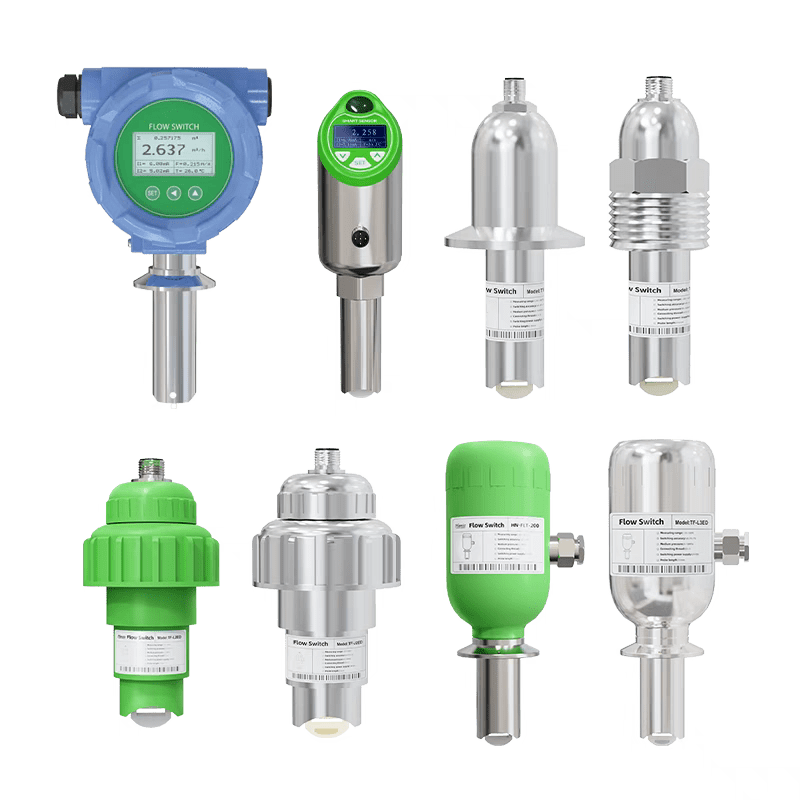
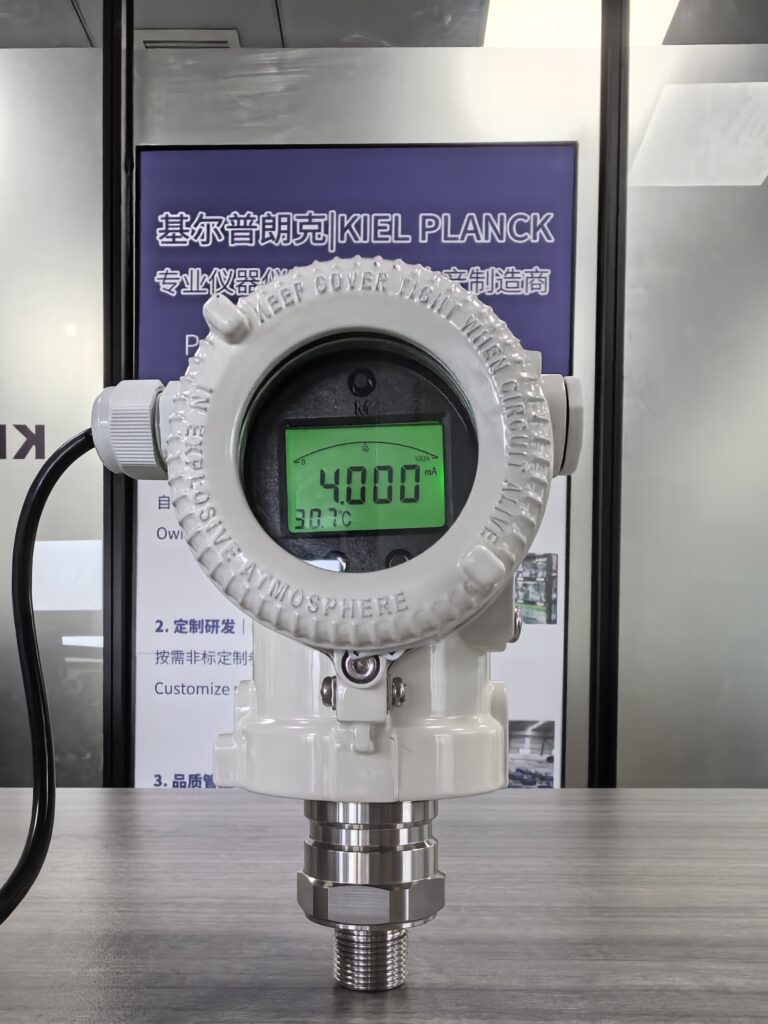
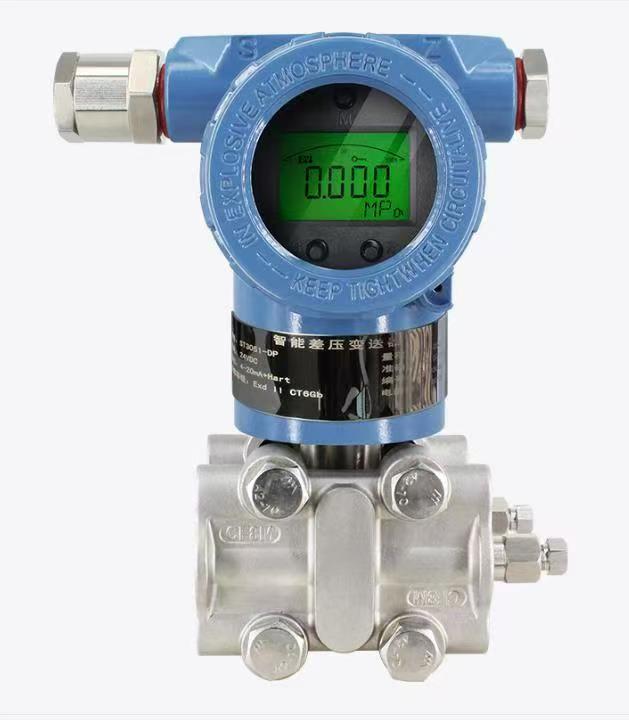
Pressure transmitters may monitor electrolyzer operating pressure, gas outlet pressure, and auxiliary system pressure. Flowmeters may measure pure-water feed, cooling-water flow, and hydrogen or oxygen flow. Level switches may provide high- and low-level alarms in gas-liquid separators, condensate vessels, and other tanks.
Hydrogen is flammable, and oxygen can intensify combustion. Therefore, the electrical equipment and instrumentation arrangement must be evaluated carefully.
However, not every instrument in a hydrogen plant is automatically installed in a hazardous area. The required protection method depends on the actual area classification, gas release sources, ventilation, equipment location, and applicable regulations.
1. Start with the Hazardous-Area Classification
Before selecting an explosion-protected instrument, obtain the project’s hazardous-area classification documentation.
For international projects, the design may use IECEx, ATEX, or another applicable certification framework. The exact requirements depend on the destination country, project specification, and applicable local regulations.
Important information includes:
Hazardous-area zone or division.
Gas group.
Temperature class.
Required protection concept.
Ambient temperature range.
Installation location.
Required certification system.
Hydrogen has specific ignition characteristics and is commonly classified in a demanding gas group under relevant hazardous-area frameworks. The project engineer must verify the applicable classification and instrument certification rather than relying on a general statement such as “explosion-proof.”
An instrument’s certification must match the intended installation conditions. The complete configuration, including cable glands, barriers, power supply, and installation method, may also need to comply with the certification requirements.
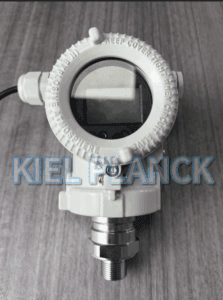
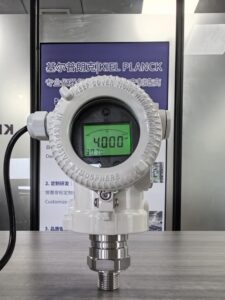
2. Pressure Transmitters: Monitoring Electrolyzer and Gas System Pressure
Pressure monitoring is required at multiple locations in an electrolysis plant.
Possible measurement points include:
Electrolyzer hydrogen-side pressure.
Electrolyzer oxygen-side pressure.
Gas-liquid separator pressure.
Hydrogen purification inlet and outlet.
Hydrogen compressor suction and discharge.
Buffer tank pressure.
Water supply and auxiliary system pressure.
The exact points depend on the process design and control philosophy.
When selecting a pressure transmitter, confirm:
Measurement range
The calibrated range should cover normal operating pressure and expected pressure variations. Design pressure and transmitter overload capability should be reviewed separately.
Accuracy and stability
The required performance depends on whether the signal is used for process monitoring, control, alarm, or a safety-related function.
Wetted materials
Hydrogen service requires careful review of material compatibility, permeation, sealing, and the complete wetted assembly.
Temperature
Check both process and ambient temperature limits.
Hazardous-area certification
Confirm that the selected transmitter configuration has the required certification for the actual installation area.
A monocrystalline silicon pressure transmitter may be considered for suitable pressure measurement duties, provided the model’s range, materials, temperature limits, and certification meet the project requirements.
3. Flowmeters: Water, Cooling Medium, Hydrogen, and Oxygen
Flow measurement is important for monitoring material balance and auxiliary system operation.
Different fluids require different flowmeter technologies.
Pure Water Feed
The water feed system may require flow measurement to monitor the supply to the electrolyzer.
Depending on water quality, flow range, pipe size, and installation conditions, options may include electromagnetic or other suitable flowmeter technologies.
Electromagnetic flowmeters require sufficient electrical conductivity. Very low-conductivity water may not be suitable for every electromagnetic flowmeter model.
Cooling Water
Cooling-water flow may be monitored using an electromagnetic flowmeter, turbine flowmeter, vortex flowmeter, or another suitable technology.
The choice depends on conductivity, temperature, pressure, flow range, and installation layout.
Hydrogen and Oxygen Gas
Gas flow measurement requires attention to gas properties, pressure, temperature, flow range, and required reference conditions.
Thermal mass flowmeters, differential pressure flow measurement systems, vortex meters, and other technologies may be considered depending on the application.
Gas flow readings may need compensation or conversion to standard reference conditions. The project specification should define the required reference temperature and pressure.
The selected flowmeter must be suitable for the gas composition and operating conditions. For oxygen service, materials and cleanliness requirements should also be reviewed.
4. Level Switches: Monitoring Gas-Liquid Separators and Collection Vessels
Gas-liquid separators are used to separate hydrogen or oxygen from the liquid phase.
Liquid level monitoring is important because abnormal level conditions can affect gas-liquid separation and downstream operation.
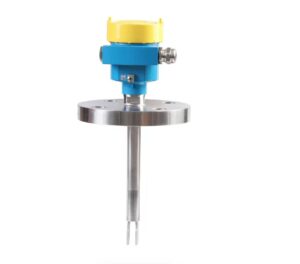
A vibrating fork level switch may be considered for point-level detection in compatible liquids.
Typical applications may include:
Hydrogen-side separator high-level alarm.
Oxygen-side separator high-level alarm.
Condensate collection vessel level alarm.
Drain tank high- and low-level detection.
Cooling or auxiliary water tank monitoring.
When selecting a vibrating fork level switch, check:
Liquid composition.
Temperature and pressure.
Fork material.
Coating or deposit tendency.
Installation position.
Required output signal.
Hazardous-area certification, if applicable.
A point-level switch provides a switching signal rather than continuous level measurement. If the control system requires a continuous level value, a suitable level transmitter may be more appropriate.
5. Pressure, Flow, and Level Signals Must Work Together
An instrument list should not be developed by treating each measurement point independently.
Pressure, flow, and level signals often provide complementary information.
For example:
Separator pressure monitoring provides information about vessel operating conditions.
Separator level monitoring helps identify abnormal liquid accumulation.
Gas flow monitoring provides information about gas production or transfer.
Water feed flow monitoring helps observe the feed supply.
Cooling-water flow monitoring helps verify cooling-medium availability.
Alarm and interlock logic should be developed from the process control philosophy and risk assessment.
A standard pressure transmitter or level switch should not automatically be described as a safety instrumented system device. If an instrument is assigned a safety-related function, the complete measurement loop must be evaluated against the required safety integrity and applicable standards.
6. Documentation to Request from Instrument Suppliers
For hydrogen production projects, purchasing teams should request more than a basic quotation.
Useful documentation includes:
Product datasheet.
Measurement range and accuracy specification.
Long-term stability specification, where relevant.
Wetted material information.
Process connection details.
Electrical output and wiring diagram.
Hazardous-area certificate, where required.
Temperature and pressure limits.
Installation and commissioning instructions.
Calibration or inspection documentation, where specified.
The certificate should correspond to the actual model and configuration being supplied.
7. Common Selection Mistakes
Assuming every instrument needs explosion-proof certification
The hazardous-area classification determines the required protection. Instrument locations must be evaluated individually.
Choosing a flowmeter without checking water conductivity
Some electromagnetic flowmeters require a minimum conductivity.
Ignoring gas reference conditions
Gas flow measurements should use clearly defined pressure and temperature reference conditions.
Using a level switch for continuous measurement
A point-level switch and continuous level transmitter serve different purposes.
Assuming a product is suitable for hydrogen because its housing is stainless steel
Hydrogen compatibility requires evaluation of the complete wetted assembly and operating conditions.
Conclusion
Explosion-protected instrumentation for water electrolysis systems must be selected according to the actual process conditions and hazardous-area classification.
Pressure transmitters monitor electrolyzer and gas system pressure. Flowmeters measure water, cooling medium, hydrogen, and oxygen flow. Level switches help detect abnormal liquid levels in separators and collection vessels.
The correct selection depends on measurement range, fluid properties, materials, temperature, output signal, installation conditions, and certification.
For electrolyzer manufacturers and hydrogen system integrators, the most reliable approach is to develop the instrument list from the P&ID, process datasheets, and hazardous-area drawings before selecting individual products.
Scan the QR code to receive more detailed information.