Why Hydrogen-Oxygen Differential Pressure Matters
Alkaline water electrolysis uses an alkaline electrolyte and electrical energy to produce hydrogen and oxygen.
The hydrogen and oxygen streams are generated on separate sides of the electrolyzer and are commonly routed through gas-liquid separation and purification equipment.
The pressure relationship between the two sides is important because the electrolyzer is designed to operate within specified pressure conditions.
If the differential pressure exceeds the permitted operating range, it may affect the separator and gas-handling system and may increase the risk of unwanted gas crossover under certain conditions.
For this reason, pressure measurement and differential pressure monitoring should be considered as part of the overall process control and protection design.
The actual operating limits must come from the electrolyzer manufacturer and project engineering documents. There is no single universal differential pressure setpoint for all alkaline electrolyzers.
1. What Does Hydrogen-Oxygen Differential Pressure Mean?
Differential pressure is the difference between two pressure measurements.
In an alkaline electrolyzer, engineers may monitor the pressure difference between designated hydrogen-side and oxygen-side process points.
The measurement can help operators understand whether the two sides are operating within the intended pressure relationship.
However, the measurement point must be clearly defined.
For example, comparing pressure at two gas outlets may produce a different result from comparing pressure at two separator vessels, depending on the piping layout and pressure losses.
Before selecting a differential pressure transmitter, confirm:
The exact high-pressure connection.
The exact low-pressure connection.
Whether the measurement is direct differential pressure or calculated from two independent transmitters.
Normal differential pressure.
Maximum permitted differential pressure.
Startup and shutdown conditions.
Required alarm and shutdown functions.
The P&ID and electrolyzer manufacturer’s documentation should determine the measurement arrangement.
2. Why a Differential Pressure Transmitter May Be Used
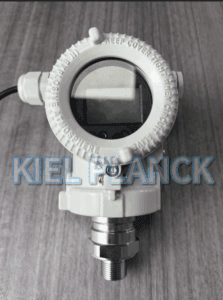
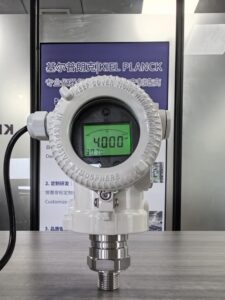
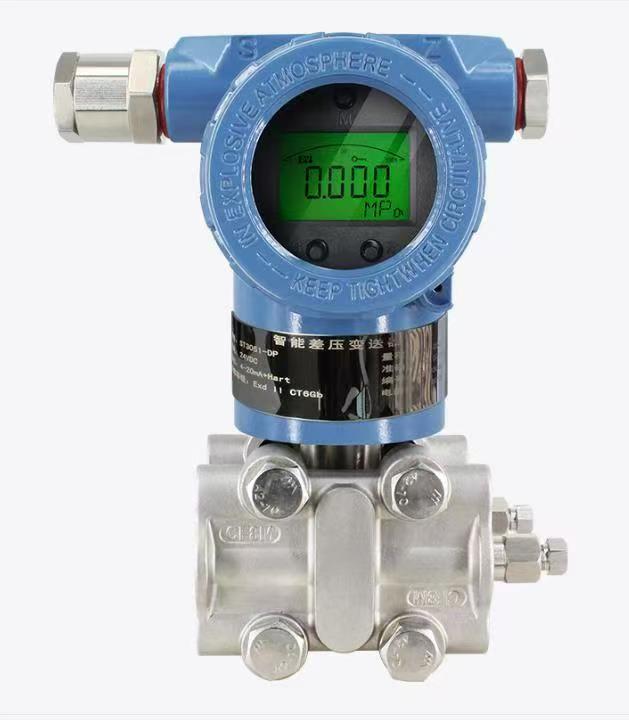
A differential pressure transmitter can measure the pressure difference between two process connections and provide a continuous output signal.
This may be useful when the control system needs direct differential pressure monitoring.
Potential functions include:
Continuous differential pressure indication.
Operating trend monitoring.
High differential pressure alarm.
Low differential pressure alarm, where required.
Signal input to a control or protection system, where specified.
The exact functions depend on the control philosophy.
A differential pressure transmitter is not automatically a complete safety system. If its signal is used for a safety-related shutdown, the entire measurement and control loop must meet the applicable project and functional safety requirements.
3. Selecting the Differential Pressure Range
Range selection is particularly important for low differential pressure measurement.
The instrument must be able to measure the expected operating differential pressure while tolerating the static pressure applied to both sides.
Engineers should confirm:
Normal differential pressure
Identify the expected difference between the hydrogen and oxygen sides during stable operation.
Maximum differential pressure
Determine the maximum permitted difference and any credible transient conditions.
Static line pressure
The transmitter may experience high common-mode pressure even when the differential pressure is relatively small. The static pressure rating must therefore be checked separately.
Overload capability
Check the allowable one-sided and two-sided pressure conditions specified by the manufacturer.
Measurement accuracy
Accuracy should be reviewed against the calibrated differential pressure span and the required process measurement uncertainty.
A differential pressure transmitter with an unnecessarily wide differential range may not provide the desired measurement performance. However, selecting an extremely narrow range without considering transient conditions may create an overload risk.
4. Materials and Compatibility in Alkaline Electrolysis
Alkaline electrolysis involves an alkaline electrolyte, commonly based on potassium hydroxide or another specified alkaline solution.
The wetted materials must be compatible with the actual electrolyte concentration, temperature, and operating conditions.
When selecting a differential pressure transmitter, review:
Diaphragm material.
Process connection material.
Seal material.
Possible corrosion mechanisms.
Cleaning and maintenance chemicals.
Process temperature.
The suitability of a material cannot be determined from its grade name alone. The instrument manufacturer should confirm compatibility with the actual electrolyte composition and operating conditions.
If remote diaphragm seals or capillaries are required, the fill fluid and complete assembly must also be evaluated.
5. Installation: Keep Both Pressure Connections Correct
Differential pressure measurement can be affected by installation differences between the two pressure connections.
Important considerations include:
Pressure tapping locations.
Impulse-line routing.
Differences in elevation.
Liquid accumulation.
Gas pockets.
Blockage or leakage.
Temperature differences between the two lines.
Vibration and mechanical stress.
If the two pressure connections have different installation conditions, the measurement may contain an offset or respond differently during operation.
For gas service, condensation and liquid accumulation should be considered. The impulse-line arrangement must follow the project design and instrument manufacturer’s instructions.
Where direct mounting is not suitable, remote seals or another approved arrangement may be considered. Their response time and temperature effects should be evaluated.
6. Alarm and Protection Strategy
The alarm limits should be established by the electrolyzer manufacturer and project engineering team.
Possible functions may include:
High differential pressure warning.
High-high differential pressure trip, where specified.
Low differential pressure warning, where relevant.
Instrument fault alarm.
Signal quality or communication diagnostics.
Alarm delays and shutdown actions should be determined by process dynamics and risk assessment.
It is important not to use damping or filtering to hide genuine differential pressure changes. Excessive filtering may delay the response of alarms and control functions.
If differential pressure is part of a safety-related function, the complete loop—including transmitter, wiring, logic solver, power supply, and final element—must be evaluated.
7. Direct DP Measurement or Two Pressure Transmitters?
There are two common approaches to obtaining differential pressure information.
Direct differential pressure transmitter
A DP transmitter measures the difference between two pressure connections directly. It may be appropriate when the project requires a dedicated differential pressure signal.
Two independent pressure transmitters
Two pressure transmitters can measure the hydrogen-side and oxygen-side pressures separately. The control system can calculate their difference.
This arrangement provides two independent pressure values, which may be useful for monitoring and diagnostics.
However, the calculated differential pressure depends on the accuracy, calibration, synchronization, and installation of both transmitters.
The choice should be based on measurement requirements, process design, maintenance strategy, and control system architecture.
8. Commissioning Checklist
Before commissioning the differential pressure monitoring system, verify:
High- and low-pressure connections match the approved P&ID.
The calibrated differential pressure range is correct.
Static pressure ratings are suitable.
Wetted materials are compatible with the electrolyte or gas.
Impulse lines are correctly installed.
Zero and span are verified.
Output scaling matches the PLC or DCS.
Alarm and trip logic are tested according to approved procedures.
Calibration and commissioning records are completed.
Conclusion
Hydrogen-oxygen differential pressure monitoring is an important part of alkaline electrolyzer process control. A differential pressure transmitter can provide continuous information about the pressure relationship between the two sides, helping operators identify abnormal operating conditions.
However, reliable measurement depends on correct pressure tapping locations, suitable range selection, static pressure capability, material compatibility, installation, and properly defined alarm limits.
For alkaline electrolyzer manufacturers and hydrogen system integrators, differential pressure instrumentation should be designed together with the process and protection philosophy. The electrolyzer manufacturer’s operating limits must always take priority over generic instrument recommendations.
Scan the QR code to receive more detailed information.