Why PEM Electrolyzer Instrumentation Needs Careful Planning
PEM electrolysis uses a proton exchange membrane to separate the hydrogen and oxygen production sides.
Compared with alkaline electrolysis, PEM systems have different materials, operating characteristics, water quality requirements, and equipment configurations.
A typical PEM hydrogen production package may include:
PEM electrolyzer stack.
Pure water supply and circulation system.
Water treatment equipment.
Hydrogen and oxygen outlets.
Gas-liquid separation equipment.
Cooling system.
Hydrogen drying and purification.
Control and safety systems.
The instrumentation design should reflect the process functions of each section.
Not every project uses the same equipment layout. Some packages integrate several functions into one skid, while others use separate process vessels and auxiliary systems.
The P&ID should therefore be the starting point for developing the instrument list.
1. Stack Pressure Monitoring
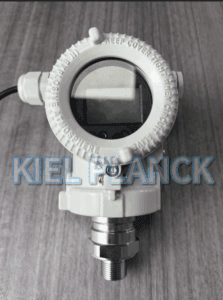
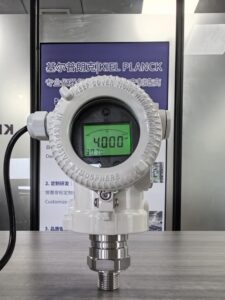
Pressure monitoring around the PEM electrolyzer stack is important for observing the operating condition of the system.
Potential pressure measurement points may include:
Hydrogen-side stack pressure.
Oxygen-side pressure, where specified.
Water supply pressure.
Stack outlet pressure.
Designated differential pressure points.
The exact locations depend on the stack design and manufacturer’s requirements.
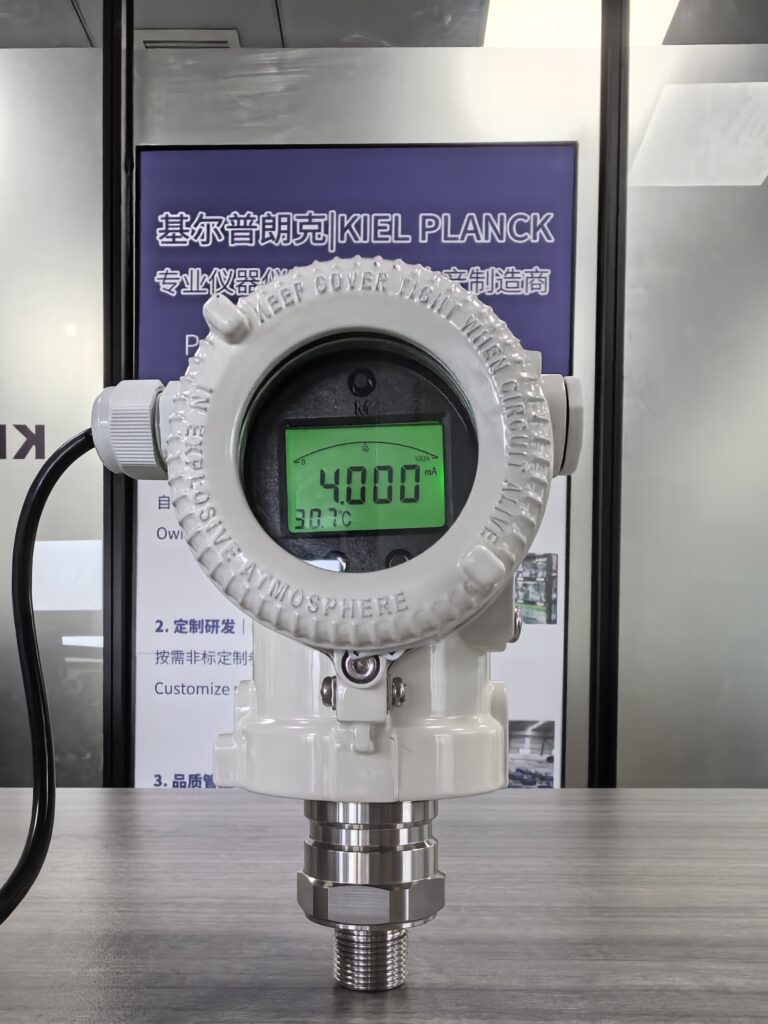
When selecting pressure transmitters, confirm:
Measurement range
The range should cover normal operating pressure and expected transient conditions.
Accuracy
The required accuracy depends on whether the measurement is used for indication, process control, alarm, or protection.
Long-term stability
Stable pressure measurement is useful for continuous operation and trend monitoring.
Wetted materials
Materials must be compatible with the gas, water, and any process chemicals that may contact the instrument.
Temperature
The transmitter must operate within the specified process and ambient temperature limits.
For hydrogen service, material compatibility and permeation should be reviewed for the complete wetted assembly.
2. Hydrogen-Side and Oxygen-Side Pressure Relationship
PEM electrolyzer systems generate hydrogen and oxygen on separate sides of the membrane.
Depending on the design, pressure monitoring may be required on both sides, and differential pressure may be important.
The measurement arrangement should be specified by the electrolyzer manufacturer.
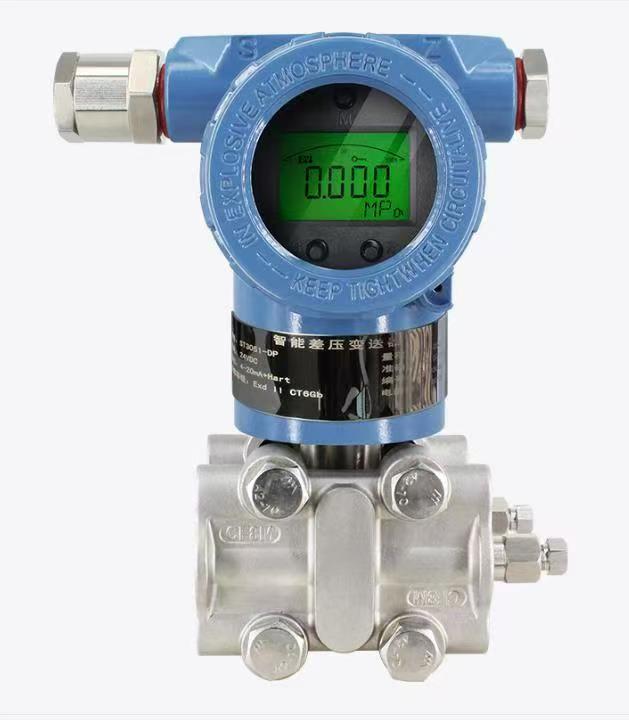
A differential pressure transmitter may be considered where direct measurement of the pressure difference is required.
Alternatively, two independent pressure transmitters may be used to monitor each side separately, with the control system calculating the difference.
The selected method should account for:
Pressure range on each side.
Expected differential pressure.
Static pressure capability.
Required accuracy.
Response time.
Alarm and protection requirements.
The operating limits must come from the stack manufacturer’s documentation. Generic pressure values should not be used as universal alarm settings.
3. Pure Water Feed Flow Measurement
Water quality is important in PEM electrolysis, and the pure water supply system must be designed according to the stack manufacturer’s requirements.
Flow measurement may be required to monitor the water supplied to the electrolyzer.
Before selecting a flowmeter, confirm:
Water quality and conductivity.
Minimum and maximum flow.
Operating pressure.
Temperature.
Pipe diameter.
Required accuracy.
Installation space.
Required output signal.
Electromagnetic flowmeters are commonly used for conductive liquids, but very low-conductivity water may fall outside the operating requirements of some models.
Other technologies may be considered depending on the water quality, flow range, pipe size, and project requirements.
A mass flowmeter may be appropriate for certain applications, but the selection should consider its measurement principle, pressure drop, material compatibility, and operating range.
The selected flowmeter must be confirmed for the actual pure water specification.
4. Cooling Water Flow and Temperature Monitoring
PEM electrolysis generates heat, and cooling systems may be required to maintain the intended operating temperature.
Cooling-water flow monitoring can help verify that the cooling medium is available.
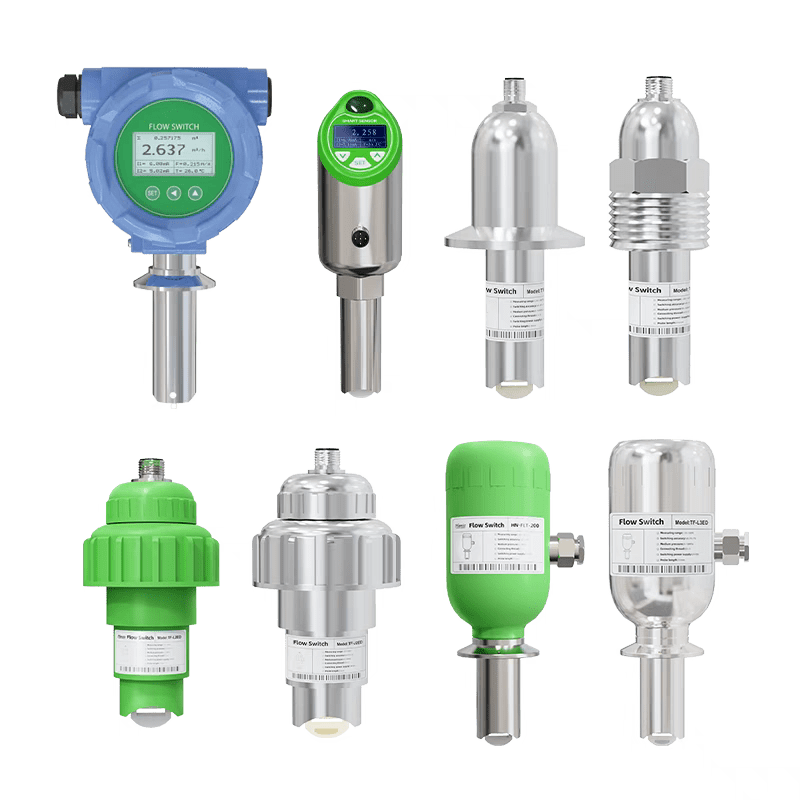
A flow switch may be suitable when the control system only needs to confirm the presence of flow.
A flowmeter may be selected when continuous flow information is required.
Temperature sensors may be installed at the cooling-water inlet and outlet or at other designated locations.
When selecting instruments, consider:
Cooling-medium composition.
Flow range.
Temperature.
Pipe size.
Pressure.
Installation conditions.
Required alarm or control function.
5. Gas-Liquid Separator Level Monitoring
Hydrogen and oxygen streams may pass through gas-liquid separation equipment.
Level monitoring helps detect abnormal liquid accumulation and maintain the intended operating conditions.
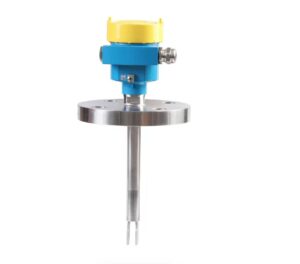
A vibrating fork level switch may be used for point-level detection in a suitable liquid.
Typical monitoring functions may include:
High-level alarm.
Low-level alarm, where required.
High-high level shutdown, where specified by the control philosophy.
The correct alarm elevation must be defined by the vessel design and operating requirements.
When selecting a vibrating fork switch, check liquid composition, temperature, pressure, wetted material, coating tendency, installation position, and output signal.
A point-level switch should not be confused with a continuous level transmitter. If the control system requires a continuous liquid-level value, another measurement arrangement may be more appropriate.
6. Hydrogen Outlet Pressure and Flow Monitoring
After separation, hydrogen may be routed to drying, purification, compression, or storage equipment.
Pressure monitoring may be required at the separator outlet, purification inlet, compressor suction, and compressor discharge.
Flow measurement may also be required for process monitoring or production accounting.
For hydrogen gas flow measurement, consider:
Operating pressure.
Gas temperature.
Flow range.
Gas composition.
Required reference conditions.
Pressure drop.
Hazardous-area classification.
Wetted material compatibility.
The flowmeter technology should be selected according to the actual gas conditions and required measurement performance.
Gas flow values should be reported using clearly defined reference pressure and temperature conditions where standard or normalized flow is required.
7. Instrumentation for Water Treatment and Auxiliary Systems
PEM systems may include water purification and circulation equipment.
Additional measurement points may include:
Water tank level.
Pump outlet pressure.
Filter differential pressure.
Water supply flow.
Cooling-system pressure.
Cooling-system flow.
Conductivity or water quality measurement, where specified.
The number of instruments depends on the system architecture and the manufacturer’s requirements.
8. Practical PEM Electrolyzer Instrument List
| Equipment | Measurement parameter | Possible instrument |
|---|---|---|
| Stack | Hydrogen-side pressure | Pressure transmitter |
| Stack | Oxygen-side pressure | Pressure transmitter |
| Stack | Differential pressure | DP transmitter or calculated DP |
| Pure water feed | Flow | Suitable flowmeter |
| Cooling-water line | Flow | Flow switch or flowmeter |
| Cooling system | Temperature | Temperature sensor |
| Gas-liquid separator | High/low level | Level switch |
| Hydrogen outlet | Pressure | Pressure transmitter |
| Hydrogen outlet | Gas flow | Gas flowmeter |
| Water tank | Level | Level transmitter or switch |
| Water filter | Differential pressure | DP transmitter or switch |
This is a general reference checklist. The final instrument list should be verified against the approved P&ID and project specifications.
9. Common Instrumentation Mistakes
Selecting a flowmeter without checking water conductivity
Some electromagnetic flowmeters require minimum conductivity.
Ignoring the hydrogen-side material requirements
The wetted assembly must be evaluated for hydrogen service.
Using a pressure transmitter range that is too wide
This may reduce the usefulness of the measurement for small pressure changes.
Treating all level applications as identical
Gas-liquid separator liquid properties and operating conditions may differ from those of water storage tanks.
Ignoring hazardous-area requirements
The instrument location and certification must match the project’s area classification.
Conclusion
PEM electrolyzer instrumentation should cover the stack, pure water feed, cooling system, gas-liquid separators, and downstream hydrogen handling equipment.
Pressure transmitters support pressure monitoring, flowmeters measure water and gas movement, and level switches help identify abnormal liquid levels.
The correct instrument selection depends on actual operating conditions, water quality, hydrogen compatibility, measurement range, output requirements, and hazardous-area classification.
For PEM electrolyzer manufacturers and hydrogen system integrators, a complete instrument list should be developed from the P&ID and stack manufacturer’s documentation before equipment procurement begins.
Scan the QR code to receive more detailed information.