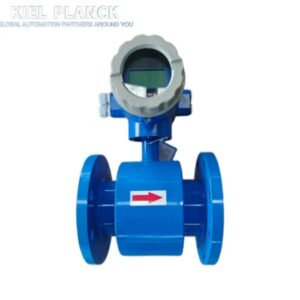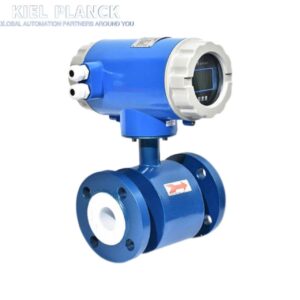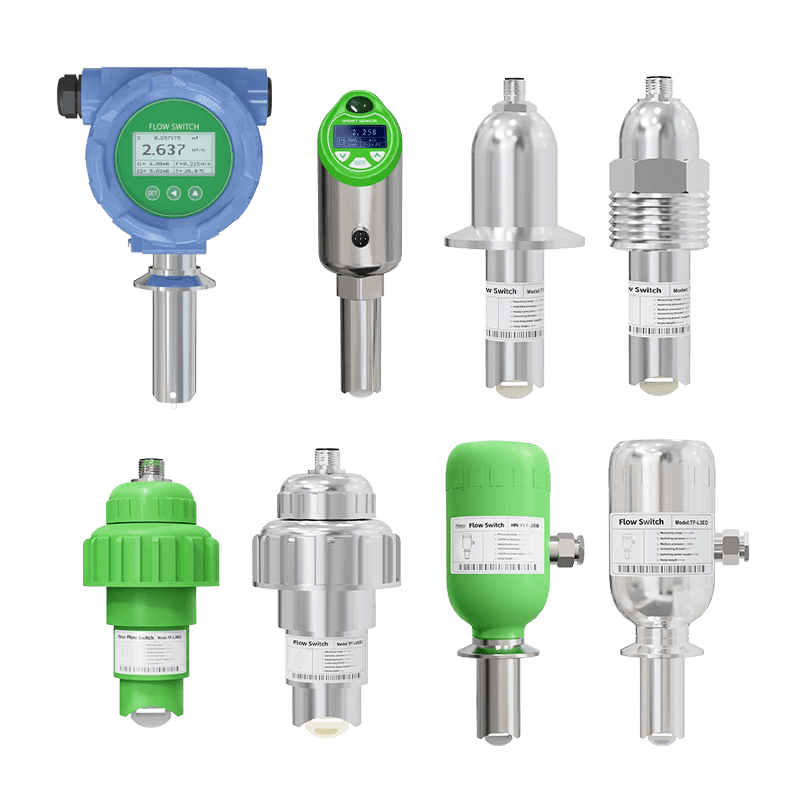
The integrated water quality analyzer integrates optical, electrochemical and sensor technologies to achieve simultaneous and accurate detection of water quality parameters, greatly simplifying the traditional multi-device separate testing process and providing an efficient and reliable water quality assessment tool for environmental supervision, water treatment and scientific research.
I. Core Function Details
1. Multi-Parameter Integrated Detection Capability
Comprehensive Detection Range: Simultaneously measures over 50 water quality indicators, including COD, ammonia nitrogen, total phosphorus, total nitrogen, pH, dissolved oxygen, turbidity, conductivity, heavy metals (copper, chromium, lead, etc.), and disinfectants (residual chlorine, chlorine dioxide).
Dual Detection System Collaboration: Supports both pre-prepared test tube colorimetry (16mm) and cuvette detection (below 50mm). The colorimetric tubes utilize a 360° precision rotation device, increasing accuracy tenfold and effectively eliminating human error.
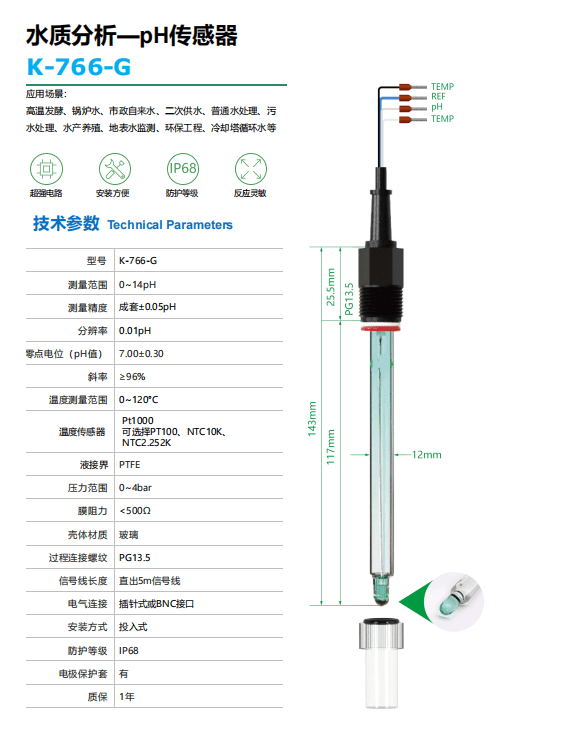
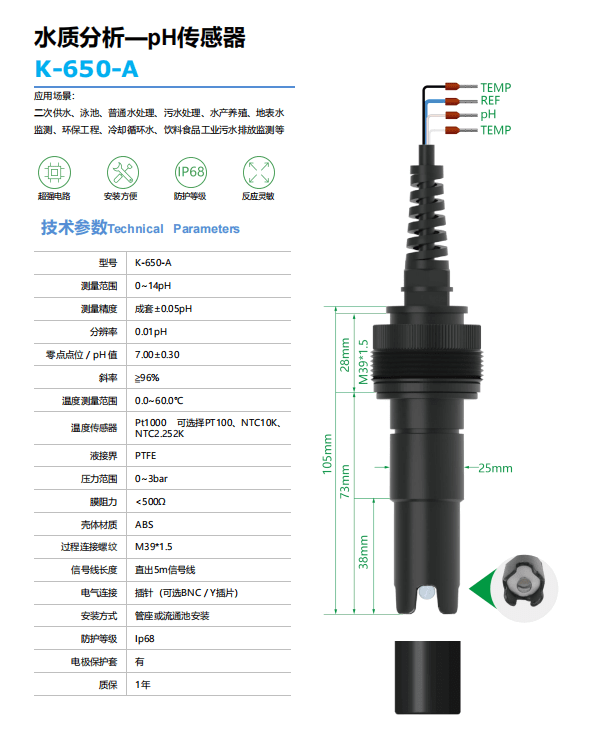
Sensor Module Expansion: Can connect to four different sensors: pH, ORP, dissolved oxygen (fluorescence method), residual chlorine, and conductivity, enabling simultaneous detection of multiple indicators and direct concentration readings.
2. Intelligent Operation and Data Management
Android Smart System: Equipped with Android 7.1.1 operating system and an 8-inch high-definition touchscreen (1024×768 resolution), providing a smooth interactive experience and intuitive data display. Built-in instructional videos: Demonstration videos showing the operation steps for at least 4 items, allowing users to watch and operate simultaneously, lowering the learning curve.
Data cloud platform: Equipped with a dedicated cloud platform, supporting real-time data upload, storage, and short- and long-term dynamic analysis, capable of generating water quality change trend charts.
User-friendly features: Built-in features include a pinning function (for frequently used indicators), GPS positioning (for recording the latitude and longitude of monitoring points), and a thermal printer (supports QR code printing). 3. Portable design and outdoor adaptability
Integrated Structure: Features a high-strength PVC engineering plastic carrying case and a built-in dual-temperature zone 8-well digester for rapid digestion of COD, total phosphorus, and total nitrogen.
Built-in High-Capacity Battery: A 48V 8AH lithium battery provides over 6 hours of continuous use on a full charge (taking COD testing as an example), meeting the needs of extended outdoor work.
Waterproof and Dustproof Design: IP54 protection rating, suitable for harsh environments such as the field and sewage treatment plants. Some models can be mounted on drones or unmanned surface vessels for large-scale water area inspections.<sup>23.4</sup> High-Precision Detection Technology:
Optical Stability: ≤±0.001Abs/20 minutes (100,000-hour lifespan), ensuring reliable long-term test data.
Detection Accuracy: Indication error ≤±5%, repeatability <0.5%, stability <0.5%, resolution 0.001, meeting national standard HJ/T399-2007 and other standards.
Automatic Calibration Function: Built-in automatic calibration system reduces manual intervention and ensures accurate test results.
III. Typical Application Scenarios
1. Environmental Monitoring and Enforcement
River Cross-Section Monitoring: Real-time monitoring of parameters such as pH, dissolved oxygen, and turbidity to assess water health status.<sup>45</sup>
Pollution Source Investigation: Rapid detection of indicators such as COD and heavy metals in industrial wastewater, providing data support for enforcement.<sup>13</sup>
2. Water Management
Waterworks: Monitoring water quality at key points such as sedimentation tanks and filtration tanks to ensure that treated water meets standards.<sup>36</sup>
Pipeline Water Quality Monitoring: Portable devices can perform multi-point monitoring of urban pipe networks to promptly detect water quality anomalies.<sup>67</sup>
3. Specific Industry Applications
Aquaculture: Monitoring key parameters such as dissolved oxygen, pH, and ammonia nitrogen to ensure healthy fish growth.<sup>8</sup>
Industrial Wastewater Treatment: Real-time monitoring of indicators such as COD and total phosphorus to optimize treatment processes and ensure compliant discharge.<sup>1</sup>
Emergency Monitoring: Rapidly acquiring multi-parameter data in the event of sudden water pollution incidents to provide a basis for decision-making.<sup>1</sup> IV. Selection and Usage Recommendations Clearly define your testing needs: Select the range of testing parameters according to the application scenario. Choose the basic model for routine monitoring, and select the professional model 19 for special industries (such as heavy metal detection).
Pay attention to technical parameters: Prioritize devices with indication error ≤ ±5% and repeatability < 0.5% to ensure detection accuracy.
Consider portability: For outdoor monitoring, pay attention to battery capacity (≥48V 8AH recommended) and device weight to ensure it meets on-site work requirements.
Data management capabilities: Choose devices that support cloud platform uploads and have GPS positioning capabilities for easy data traceability and analysis.
After-sales service: Prioritize brands that provide instructional videos, operation guides, and rapid response services to lower the barrier to entry.
Through technological integration and functional innovation, integrated water quality analyzers not only solve the problems of low efficiency and inaccurate data in traditional water quality monitoring, but also promote the transformation of water quality management from passive response to proactive prevention and control, becoming a key tool for ensuring water environment safety.
Add me as a friend to learn more.