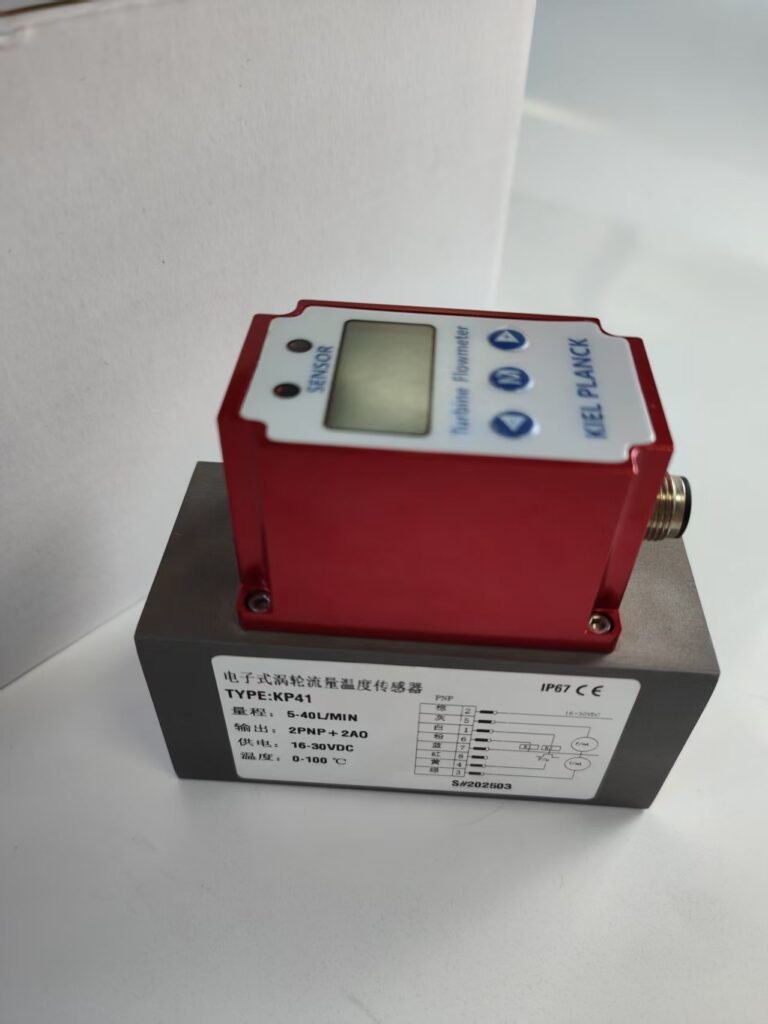
Hydrogen refueling stations feature extreme operating characteristics, including high-pressure hydrogen delivery, rapidly fluctuating flow rates, and strict custody-transfer metering requirements. Selecting reliable flow measurement equipment is critical for safe operation, accurate billing, and standardized station management. Although multiple flow meter types are available for gas measurement, turbine flow meters have become the mainstream and preferred solution for commercial hydrogen refueling stations. This article explains the core reasons for the widespread adoption of turbine meters in hydrogen refueling scenarios, covering their high measurement accuracy, excellent dynamic response, adaptability to high-pressure hydrogen environments, and cost-effective lifecycle performance. By comparing turbine meters with vortex and differential pressure meters, this paper clarifies their unique technical advantages in fast refueling transient conditions. It also analyzes applicable limitations and standardized application principles, providing professional theoretical support for instrument selection and operational optimization in hydrogen energy refueling systems.
1. Introduction
With the rapid development of the global hydrogen energy industry, hydrogen refueling stations are undergoing large-scale popularization and standardized construction. Hydrogen refueling processes require high-pressure rapid filling, with flow conditions changing drastically from low-flow pre-charging to high-speed instantaneous filling. Meanwhile, as hydrogen energy gradually realizes commercialized charging and custody transfer, flow measurement accuracy and repeatability directly determine economic accounting fairness and operational safety stability. Conventional gas flow meters face obvious technical bottlenecks in hydrogen refueling scenarios: vortex meters suffer from low precision under fast transient flow, while Coriolis meters have high costs and large volume. In contrast, turbine flow meters perfectly match the working characteristics of hydrogen refueling stations, becoming the most widely adopted metering device for hydrogen dispensing and pipeline flow monitoring.
2. Core Advantages of Turbine Meters for Hydrogen Refueling Scenarios
First, ultra-high accuracy and superior repeatability meet hydrogen commercial metering standards. Turbine flow meters can maintain measurement accuracy within ±0.5% and repeatability within ±0.1%, fully complying with national and international hydrogen custody transfer requirements. Unlike other gas meters with poor low-flow linearity, turbine meters deliver stable and consistent data output throughout the entire refueling flow range, effectively avoiding economic losses caused by metering deviation during frequent vehicle refueling processes.
Second, fast dynamic response adapts to transient refueling characteristics. Hydrogen refueling is a typical variable-flow working condition, completing high-pressure filling within dozens of seconds. Turbine meters feature sensitive rotor induction and low inertial resistance, which can quickly track instantaneous flow changes without data lag or fluctuation. This dynamic response advantage solves the common problem of inaccurate metering caused by flow mutation in hydrogen stations, ensuring effective capture of the entire refueling flow curve.
Third, excellent high-pressure adaptability matches hydrogen station operating environments. Commercial hydrogen refueling usually adopts 35 MPa and 70 MPa high-pressure delivery modes. Optimized high-pressure turbine flow meters adopt reinforced structural design and special low-friction bearing materials, which can stably withstand long-term high-pressure hydrogen impact without deformation or performance attenuation. Meanwhile, their low-pressure-loss structural characteristics will not cause hydrogen flow turbulence or pressure drop abnormalities, ensuring the stability and safety of the refueling pipeline system.
3. Comparative Advantages Over Other Common Meters
Compared with vortex flow meters widely used in conventional gas industries, turbine meters have obvious advantages in dynamic transient response and low-flow linearity. Vortex meters rely on Karman vortex generation and require stable flow fields, making them prone to data distortion during rapid hydrogen flow surges. In contrast, turbine meters driven by fluid kinetic energy maintain stable precision throughout variable-speed refueling processes. Compared with high-precision Coriolis mass flow meters, turbine meters have smaller installation volume, lower procurement costs and simpler pipeline matching conditions, offering higher cost performance for large-scale station promotion. Differential pressure meters suffer from low resolution under micro-flow conditions and cannot meet the refined metering needs of hydrogen refueling.
4. Applicable Limitations and Standardized Operation
Turbine flow meters also have scenario limitations for hydrogen measurement. As mechanical rotating instruments, they have certain requirements for medium cleanliness. Impurities, oil stains or moisture in hydrogen may cause bearing wear and affect long-term stability. Therefore, hydrogen refueling stations must be equipped with front-end filtering and drying purification devices. In addition, regular calibration and bearing maintenance can effectively extend service life and avoid accuracy degradation caused by long-term cyclic operation. With standardized installation and scientific maintenance, turbine meters can maintain stable metering performance for a long time in hydrogen refueling scenarios.
5. Conclusion
Turbine flow meters have become the preferred metering equipment for hydrogen refueling stations due to their high precision, excellent repeatability, fast dynamic response and reliable high-pressure adaptability. They perfectly solve the industry pain points of unstable transient flow metering and inaccurate commercial billing in hydrogen refueling processes, filling the gap between high precision and economic applicability. Although limited by mechanical structural characteristics and requiring standardized purification and maintenance, their comprehensive performance advantages are irreplaceable for commercial hydrogen station scenarios. As the hydrogen energy industry continues to mature, turbine flow meters will remain core flow measurement devices for hydrogen refueling systems, supporting the standardized, safe and commercialized development of the hydrogen energy industry.
Scan the QR code to receive more detailed information.