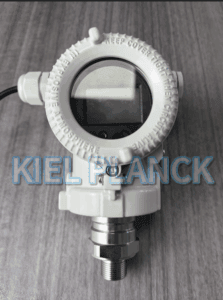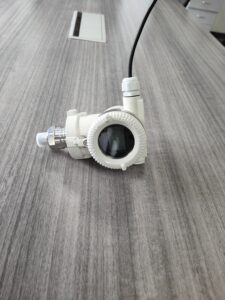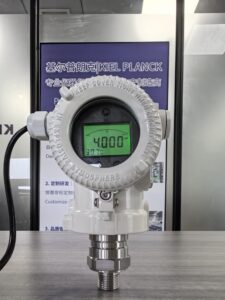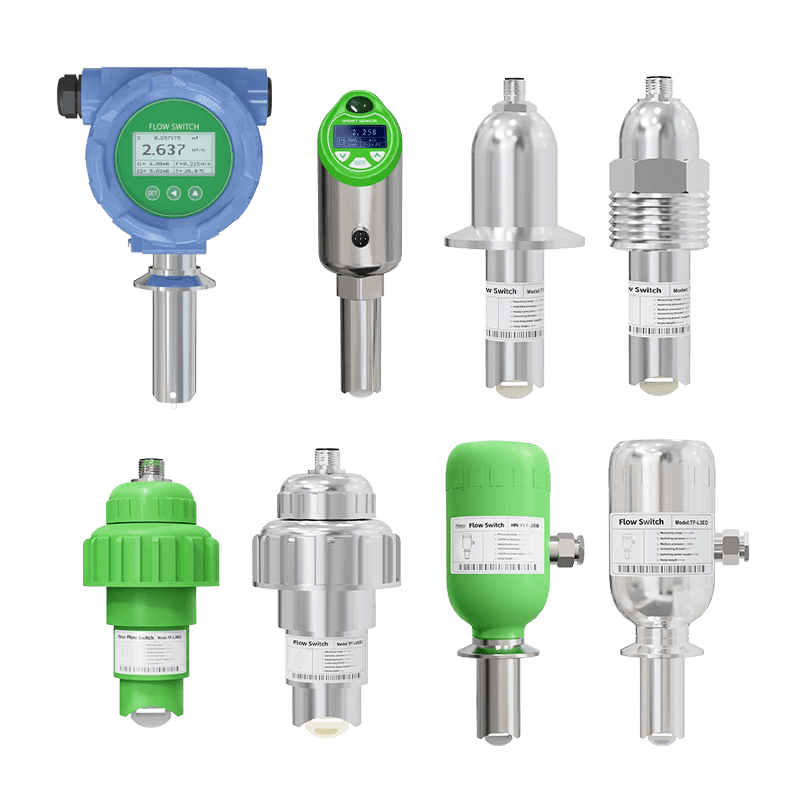
In pressure transmitter selection, many industrial purchasers tend to deliberately choose excessively large measuring ranges out of safety considerations, fearing on-site overpressure damage and instrument failure. However, oversized ranges bring more hidden risks than benefits in actual operation. Simply pursuing a large measuring range will sacrifice measurement resolution, weaken low-pressure signal sensitivity, and amplify data errors, resulting in inaccurate process adjustment and failed fine control. This article illustrates the negative consequences of oversized range selection through three typical industrial working conditions: stable low-pressure monitoring, fluctuating variable load working conditions, and slight pressure deviation interlock scenarios. It explains the internal mechanism of accuracy degradation and summarizes reasonable range matching principles. The research aims to help engineering staff avoid blind range amplification and achieve high-precision and stable pressure measurement.
1. Introduction
Pressure transmitter range selection is the most fundamental step of instrument configuration, which directly determines measurement accuracy, signal resolution and control sensitivity. In industrial procurement, the misconception that “larger range equals safer and more stable” is widespread. Most users reserve excessive safety margins and select far-ranging transmitters regardless of actual operating pressure. In fact, industrial transmitters have fixed full-scale error parameters. When the actual operating pressure only occupies a small segment of the full range, the effective resolution drops sharply, and tiny pressure changes cannot be accurately captured. Long-term practice proves that improperly oversized ranges are the leading cause of low-precision measurement, slow system response and frequent control jitter in many factory process loops.
2. Three Typical Working Conditions and Hidden Dangers of Oversized Range
First, stable low-pressure monitoring scenarios causes serious accuracy attenuation. For conventional low-pressure pipelines such as water supply, gas delivery and micro-pressure reaction tanks, the actual operating pressure is often concentrated in 10% to 30% of the transmitter’s full range. Since the transmitter’s basic error is calculated based on full scale, the absolute error value is fixed. When the effective signal interval is too small, the relative error is magnified several times. For example, a 0–1 MPa transmitter used for a 0.2 MPa stable working condition will produce obvious data drift and fluctuation. Minor pressure changes that need precise adjustment are completely submerged in error noise, resulting in inability to achieve stable constant-pressure control.
Second, variable load fluctuation conditions lead to delayed response and poor linearity. In process pipelines with frequent load changes such as chemical reaction systems and thermal power units, pressure often rises and falls dynamically. Transmitters with oversized ranges have extremely low signal resolution in the low and medium section. When the pressure fluctuates slightly, the output 4–20 mA signal changes minimally, failing to feed back real-time working condition changes to the PLC and DCS systems in a timely manner. The control system cannot make timely adjustment actions, resulting in lagging process response, unstable product quality and increased system energy consumption. Long-term low-section operation also aggravates sensor zero drift and reduces service stability.
Third, slight pressure deviation interlock scenarios cause failure of safety protection. Many tank overpressure protection and pipeline pressure difference interlock systems rely on tiny pressure changes to trigger safety actions. When the range is excessively large, the instrument cannot identify subtle pressure deviation signals. Early pressure rise and abnormal fluctuation cannot be detected in time, causing the interlock threshold to lag or fail to trigger. In severe cases, minor pressure abnormalities accumulate into overpressure risks, threatening pipeline and tank operation safety. This kind of hidden danger is extremely difficult to troubleshoot, because the transmitter still displays normal values without obvious faults, but loses effective early warning capability.
3. Scientific Range Matching Principles
Reasonable range selection requires matching according to actual working pressure rather than blind magnification. Industrial standard configuration suggests that the normal operating pressure should occupy 60% to 80% of the transmitter full range. For fluctuating working conditions, reserve 20% to 30% margin for peak pressure to avoid overpressure saturation. For low-pressure and micro-pressure measurement, prioritize small-range high-resolution transmitters to ensure effective signal identification. Only appropriate range matching can give full play to the inherent accuracy advantages of the transmitter and avoid resolution loss caused by excessive margin.
4. Conclusion
Choosing an excessively large pressure transmitter range will not improve safety, but will lead to reduced measurement accuracy, insufficient signal resolution, delayed control response and failure of safety interlock protection. For stable low-pressure operation, variable load fluctuation and subtle pressure interlock scenarios, oversized ranges will produce different degrees of hidden measurement troubles. Industrial users must abandon the blind selection habit of reserving excessive margins. Scientific range matching based on actual working pressure and fluctuation characteristics is the key to ensuring long-term accurate measurement, stable process control and reliable safety monitoring of pressure transmitters.
Scan the QR code to receive more detailed information.