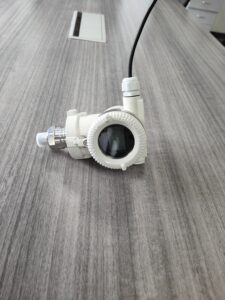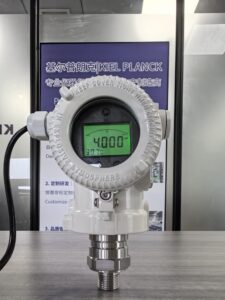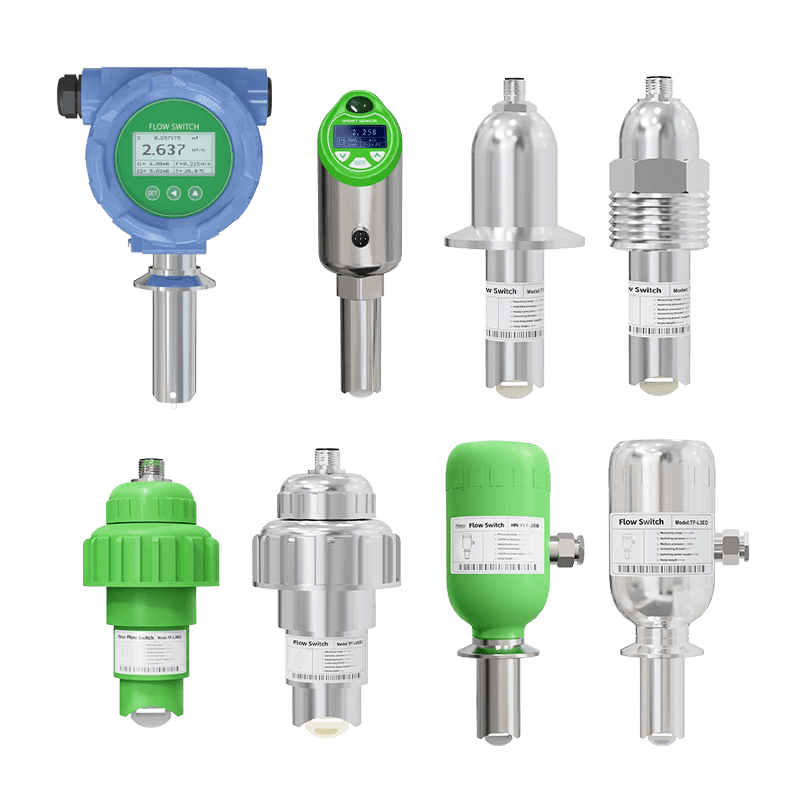
Most procurement and engineering personnel regard them as interchangeable safety grades, causing frequent wrong selections in project bidding, design documents and instrument parameter forms. Simple substitution between Ex d and Ex i will lead to zone inadaptability, safety loop failure, project acceptance rejection and even on-site explosion hazards. These two protection methods differ fundamentally in working principle, energy limit, applicable hazardous zones and wiring specifications. This article systematically distinguishes the core differences between flameproof and intrinsically safe structures, analyzes typical selection mistakes and their consequences, and summarizes standardized selection rules for pressure transmitters, level switches and other field instruments. It aims to eliminate universal misunderstanding and provide compliant explosion-proof configuration guidelines for petrochemical, chemical and hydrogen industrial projects.
1. Introduction
In explosive hazardous environments filled with flammable gas, vapor and dust, all field instruments must adopt certified explosion-proof structures. Flameproof and intrinsically safe protection are the mainstream options for low-power process instrumentation. In actual engineering selection, many users only focus on “explosion-proof certification” while ignoring protection type classification. They casually fill in Ex d or Ex i without combining field zone division and loop design. In fact, flameproof and intrinsically safe technologies follow completely different safety logic: one contains explosions mechanically, while the other eliminates ignition energy fundamentally. Confusing the two has become the most common and easily overlooked hidden danger in industrial instrument configuration.
2. Fundamental Principle Differences
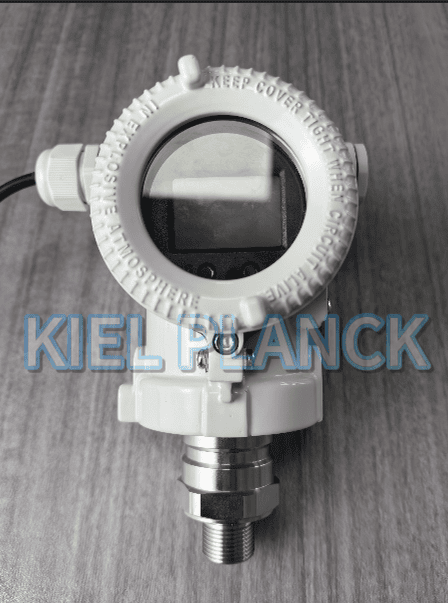
Flameproof protection, coded Ex d, adopts a thick and high-strength metal enclosure. Its core working principle is explosion containment rather than explosion prevention. When internal electrical sparks or short-circuit faults cause minor explosions inside the instrument cavity, the robust shell and narrow flameproof gaps contain the explosion pressure and cool escaping flames. This prevents external explosive gas from being ignited. Ex d devices allow internal faults and explosions but isolate risks through mechanical structural strength.
In addition, the two types have distinct loop requirements. Intrinsically safe circuits must be matched with safety barriers or isolators, with dedicated intrinsically safe cables and independent wiring channels. Flameproof instruments require explosion-proof cable glands and sealed wiring, with no need for barrier configuration. Many engineering faults occur when users install Ex d instruments with intrinsically safe wiring or equip Ex i instruments without barriers, resulting in invalid explosion-proof performance.
For accurate configuration, users must match protection types based on zone classification and instrument power. Low-power field instruments such as transmitters and switches deployed in Zone 0 and Zone 1 priority adopt Ex ia intrinsically safe design with complete barrier matching. General equipment in Zone 1 and Zone 2 can choose Ex d flameproof type for cost-effective deployment. Users must abandon the wrong cognition that “all explosion-proof grades are equivalent”. Parameter filling in design documents and procurement lists must strictly distinguish Ex d and Ex i to ensure compliance with international explosion-proof standards and on-site safety requirements.
Scan the QR code to receive more detailed information.