Many industrial reactors still use mechanical pressure gauges for local pressure indication.
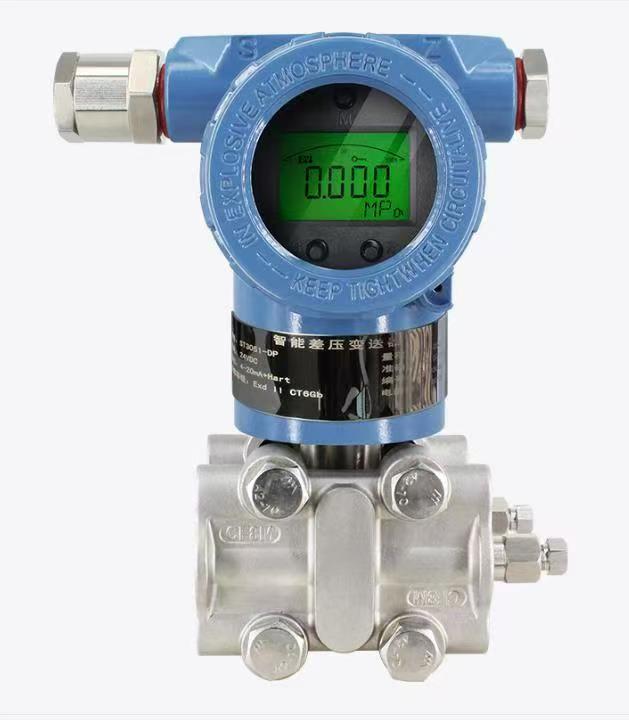
As automation requirements increase, some plants consider replacing or supplementing pressure gauges with pressure transmitters.
The main benefits are remote monitoring, automatic control, and easier integration with industrial control systems.
1. Pressure Gauge vs. Pressure Transmitter
A mechanical pressure gauge provides local visual pressure indication.
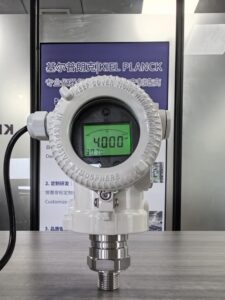
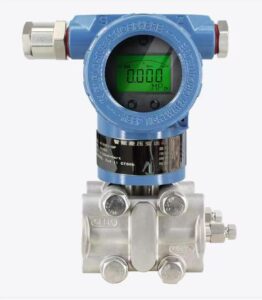
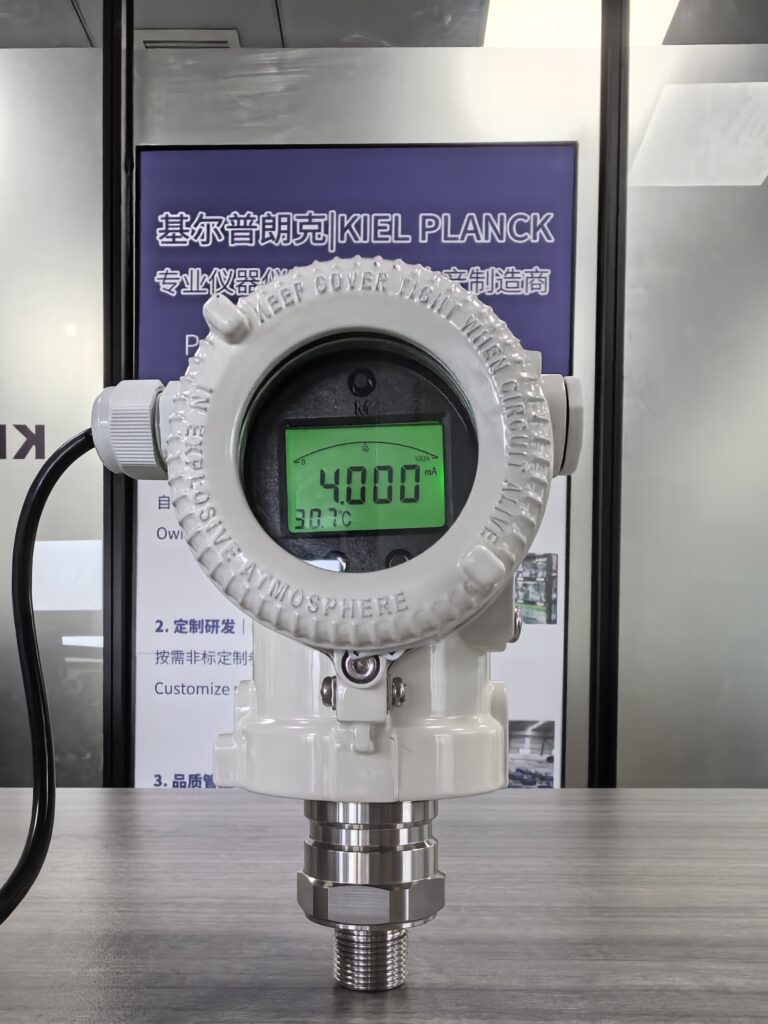
A pressure transmitter converts process pressure into an electrical signal, commonly 4–20 mA, for transmission to a control system.
| Feature | Pressure Gauge | Pressure Transmitter |
|---|---|---|
| Local indication | Yes | Depends on model |
| Remote monitoring | Generally no | Yes |
| PLC/DCS integration | No direct signal | Yes |
| Automatic pressure control | Not directly | Possible |
| Power supply | Usually not required | Usually required |
2. Main Benefits of Upgrading
Remote Monitoring
Operators can monitor reactor pressure from a control room without checking the instrument locally.
Automatic Control
The transmitter can provide feedback for pressure control systems when properly integrated.
Alarm Functions
High-pressure and low-pressure alarms can be configured in the control system.
Process Data Recording
Pressure signals can be recorded for production analysis and troubleshooting.
3. What Does the Upgrade Cost?
The total cost may include:
Pressure transmitter
Process connection or diaphragm seal
Electrical cables
Installation materials
PLC or DCS integration
Engineering and commissioning
Maintenance and calibration
The cost varies according to the existing installation and required control functions.
4. How to Estimate the Payback Period
A simple calculation is:
Payback Period = Total Upgrade Cost ÷ Annual Net Savings
Annual savings may include reduced inspection labor, fewer manual recording tasks, lower production losses, and improved process control.
However, these savings must be estimated using actual plant operating data.
A transmitter does not automatically reduce production costs. The economic benefit depends on how the measurement is used.
Conclusion
Replacing a reactor pressure gauge with a pressure transmitter can improve automation and remote monitoring.
Before upgrading, evaluate the process connection, measurement range, electrical system, control requirements, and expected economic benefits.
Scan the QR code to receive more detailed information.