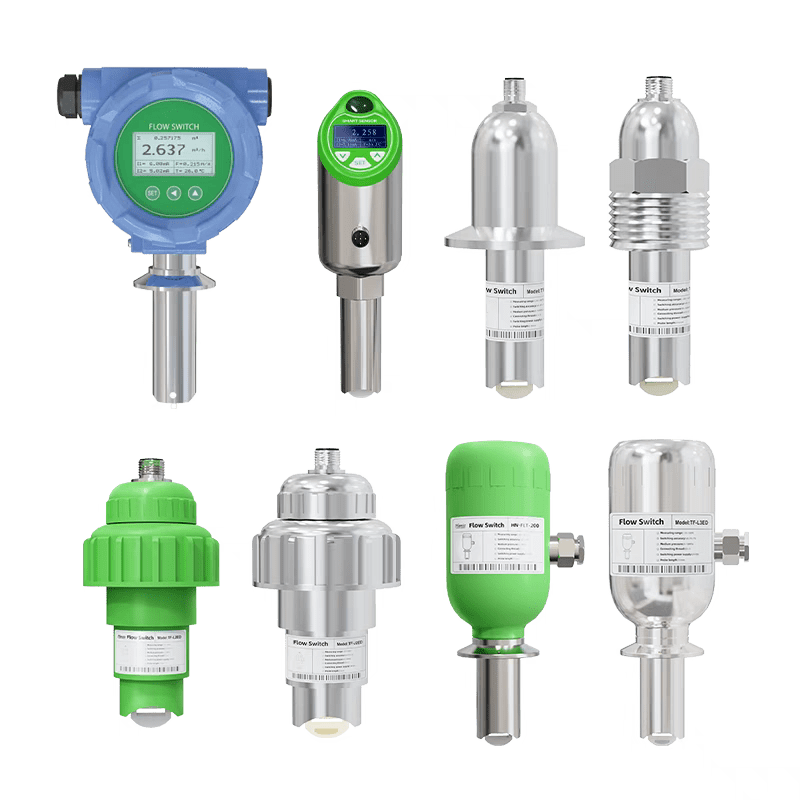
Why Liquid-Level Monitoring Matters in Hydrogen Systems
Hydrogen production and processing equipment often includes gas-liquid separation and liquid collection stages.
Depending on the process design, liquid may accumulate in:
Hydrogen buffer vessels.
Gas-liquid separators.
Knockout drums.
Condensate collection tanks.
Circulation tanks.
Cooling-water vessels.
Drainage tanks.
Unexpected liquid accumulation may be caused by condensation, upstream separation problems, abnormal process conditions, or drainage restrictions.
If the level becomes too high, liquid may enter downstream equipment or interfere with the intended gas-handling process.
A suitable level alarm helps operators identify the condition and take action according to the approved operating procedure.
1. High-Level Monitoring in Hydrogen Buffer Tanks
A hydrogen buffer tank is primarily designed to provide gas storage or buffering capacity, but some system configurations may also require monitoring of liquid accumulation.
The need for a level instrument depends on the vessel design and whether liquid can reasonably collect in the tank.
If a high-level alarm is required, a point-level switch may be installed at the specified elevation.
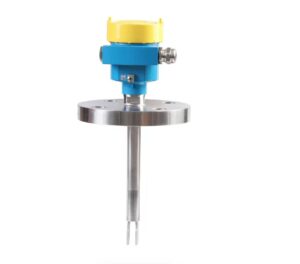
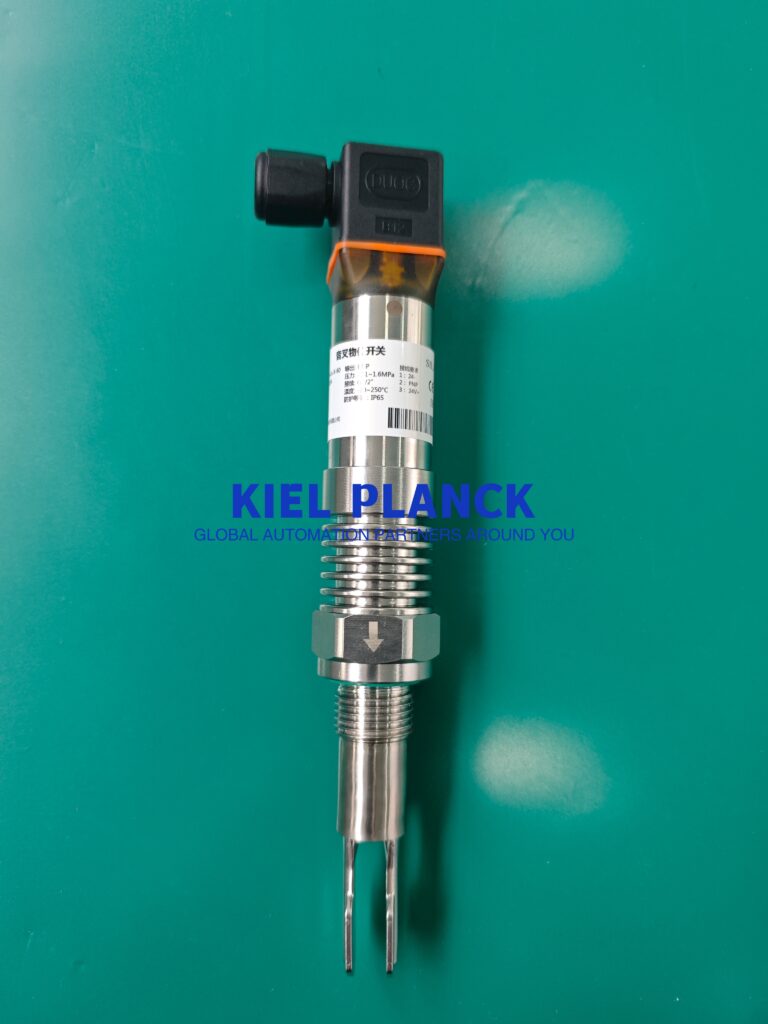
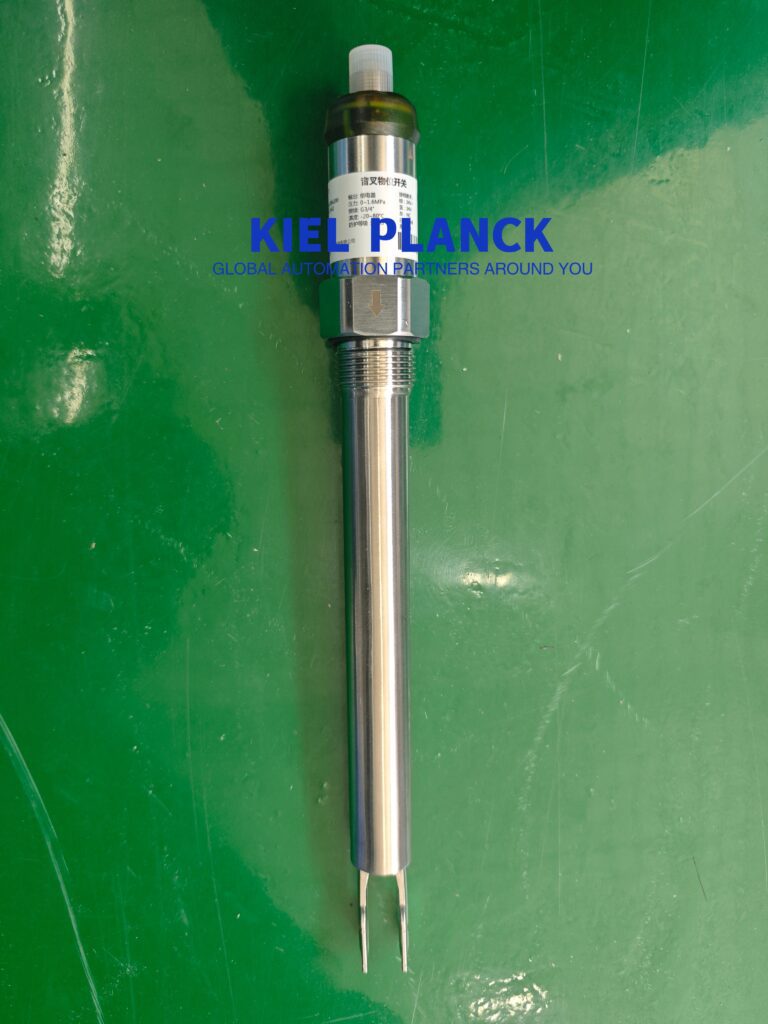
A vibrating fork level switch detects whether liquid covers the fork. When the liquid reaches the installed switching point, the electronics detect the change in vibration characteristics and produce a switching signal.
The signal can be connected to the control system to provide an alarm.
The installation must follow the vessel design and instrument manufacturer’s instructions. A level switch should not be added to a gas-only vessel without confirming that the process design requires liquid-level detection.
2. Level Monitoring in Knockout Drums and Gas-Liquid Separators
Knockout drums and gas-liquid separators are designed to separate liquid droplets or accumulated liquid from the gas stream.
High-level monitoring is important because excessive liquid accumulation may affect separation performance or allow liquid carryover into downstream equipment.
Possible measurement arrangements include:
High-level switch.
High-high level switch.
Continuous level transmitter.
Separate low-level switch where required.
A vibrating fork switch may be used for point-level alarms when the liquid and operating conditions are suitable.
The installation position should be selected according to the vessel’s normal liquid level, required alarm level, and available nozzle arrangement.
For vessels with complex internal geometry or changing liquid properties, the engineering team should confirm whether a point-level switch provides sufficient information.
3. Low-Level Monitoring in Circulation Vessels
Some hydrogen system packages include circulation vessels containing water, electrolyte, condensate, or another process liquid.
Low-level monitoring may be required to protect pumps, maintain minimum liquid inventory, or provide process information.
A vibrating fork level switch can provide a low-level switching signal if the liquid is compatible with the sensor.
Before installation, determine the minimum required liquid level and the appropriate switching elevation.
The control system may use the signal for an operator alarm, pump interlock, or another function defined by the project design.
A low-level switch should not automatically be assigned a shutdown function without reviewing the equipment requirements and control philosophy.
4. Why Choose a Vibrating Fork Level Switch?
Vibrating fork level switches are widely used for industrial point-level detection.
Their operating principle is based on the change in vibration characteristics when the fork is covered by liquid.
Potential advantages include:
No moving float mechanism.
Compact installation.
Point-level detection.
Switching output for alarm or control.
Availability of different process connections and materials.
However, suitability depends on the actual application.
Highly viscous liquids, heavy coating, crystallization, and certain deposits may affect performance.
For hydrogen system applications, the process medium may be water, condensate, electrolyte, or another liquid. Each application requires a separate compatibility review.
5. Four Key Selection Factors
1. Liquid properties
Confirm liquid composition, density, viscosity, corrosiveness, and deposit tendency.
2. Process temperature and pressure
The selected switch must operate within the specified process limits.
3. Installation position
The switching point must match the required alarm level. Check vessel geometry, internal structures, inlet flow, and maintenance access.
4. Electrical output and certification
Confirm PNP, NPN, relay, or other required output. Verify supply voltage and hazardous-area certification where applicable.
The required protection level depends on the installation area’s classification. Do not assume that every level switch in a hydrogen plant automatically requires the same certification.
6. Separate High and Low Level Alarms
If a vessel requires both high- and low-level alarms, the system may use two independent point-level switches.
One switch detects the upper level, while another detects the lower level.
This can provide separate alarm signals to the control system.
Alternatively, a continuous level transmitter may be used where the project requires ongoing level measurement.
The choice depends on:
Required alarm independence.
Vessel design.
Maintenance strategy.
Process risk.
Control system architecture.
7. Installation and Commissioning Checklist
Before commissioning, check:
The vessel actually requires liquid-level monitoring.
The instrument material is compatible with the liquid.
Process temperature and pressure are within specification.
The switching point matches the approved drawing.
The fork is not obstructed.
Electrical output matches the PLC or DCS.
Alarm logic is tested.
The instrument’s hazardous-area certification is appropriate, where required.
Conclusion
Hydrogen buffer vessels, knockout drums, separators, and circulation tanks may require liquid-level monitoring depending on their process function.
A vibrating fork level switch can provide high- or low-level point detection when the liquid properties, process conditions, installation, and electrical requirements are suitable.
For hydrogen equipment manufacturers and system integrators, the key is to define the purpose of each level alarm before selecting the instrument. Correct switching elevation and proper integration into the control system are essential for reliable operation.
Scan the QR code to receive more detailed information.