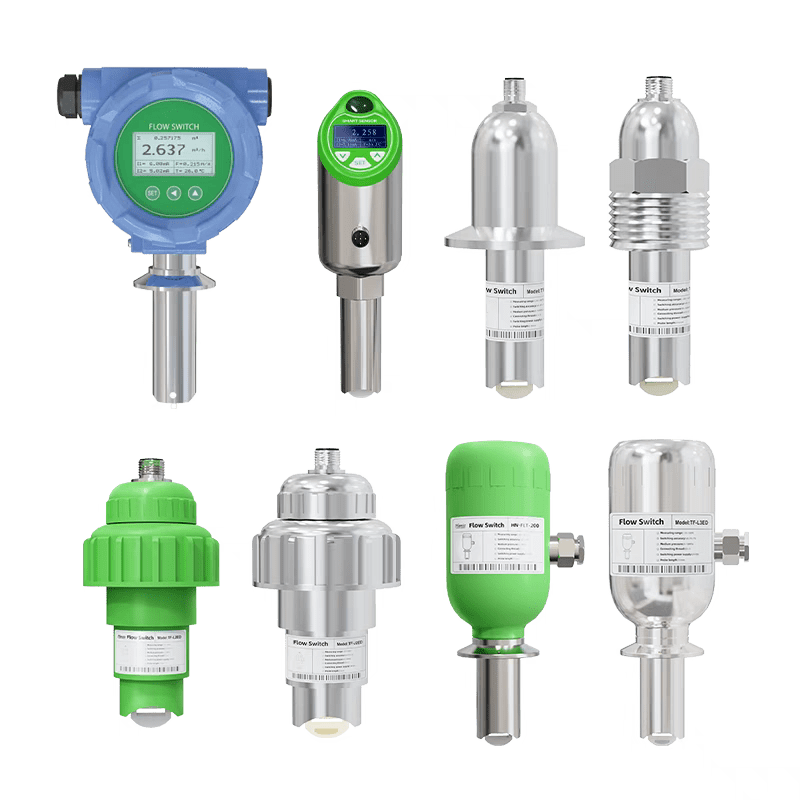
Hydrogen production systems may contain several vessels that perform gas-liquid separation, condensation, collection, and circulation functions.
Typical equipment may include:
Hydrogen-side gas-liquid separators.
Oxygen-side gas-liquid separators.
Condensate recovery tanks.
Cooling-water collection vessels.
Drainage tanks.
Process liquid circulation vessels.
These vessels may experience changes in liquid level because of condensation, process flow variation, drainage operation, and maintenance activities.
If liquid accumulates beyond the intended operating range, it may affect downstream equipment or reduce the effectiveness of gas-liquid separation.
If the liquid level falls below the required minimum in a circulation vessel, pumps or other connected equipment may not operate under their intended conditions.
High- and low-level alarms provide information that helps operators respond to these changes.
1. High-Level Alarm in Hydrogen and Oxygen Separators
Gas-liquid separators are designed to separate gas from liquid.
The liquid collected in the vessel must be managed according to the equipment design. If the liquid level becomes too high, there may be a risk of liquid carryover into downstream gas pipelines.
A high-level switch can detect when the liquid reaches a specified upper level.
A high-high level switch may also be required where the project control philosophy defines an additional alarm or protective action.
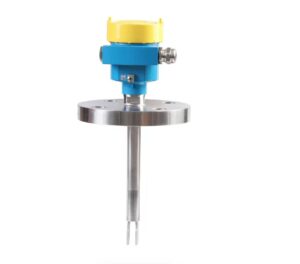
A vibrating fork level switch can be considered for this purpose if the liquid properties and process conditions are suitable.
The installation elevation should be determined from the separator drawing and operating requirements.
It is important to distinguish between normal operating level, high-level alarm, and high-high level alarm. These are different functions and should not be assigned arbitrary values.
2. Low-Level Alarm in Separation Vessels
Low-level monitoring may be required in some separator designs.
The purpose may be to ensure that the vessel maintains a required liquid inventory or to monitor the operation of a drainage or circulation arrangement.
However, not every gas-liquid separator requires a low-level switch.
The need for low-level detection should be established from the process design.
If a low-level alarm is required, the switching point must be positioned according to the minimum operating level defined by the equipment designer.
The control system should also define whether the signal is intended for operator indication, an equipment interlock, or another function.
3. High-Level Monitoring in Condensate Recovery Tanks
Condensate recovery tanks collect liquid produced by cooling or gas treatment processes.
The liquid may be transferred periodically or continuously to another part of the system.
A high-level alarm can help operators identify:
Unexpected condensate accumulation.
Blocked discharge piping.
A closed or malfunctioning valve.
Pump failure.
Abnormal upstream condensation.
Drainage system problems.
A vibrating fork switch may provide a simple point-level signal when the liquid reaches the installed switching point.
If the tank requires continuous level information for automatic pump control, a continuous level transmitter may be more appropriate.
The selected instrument should reflect the actual tank function.
4. How Does a Vibrating Fork Level Switch Work?
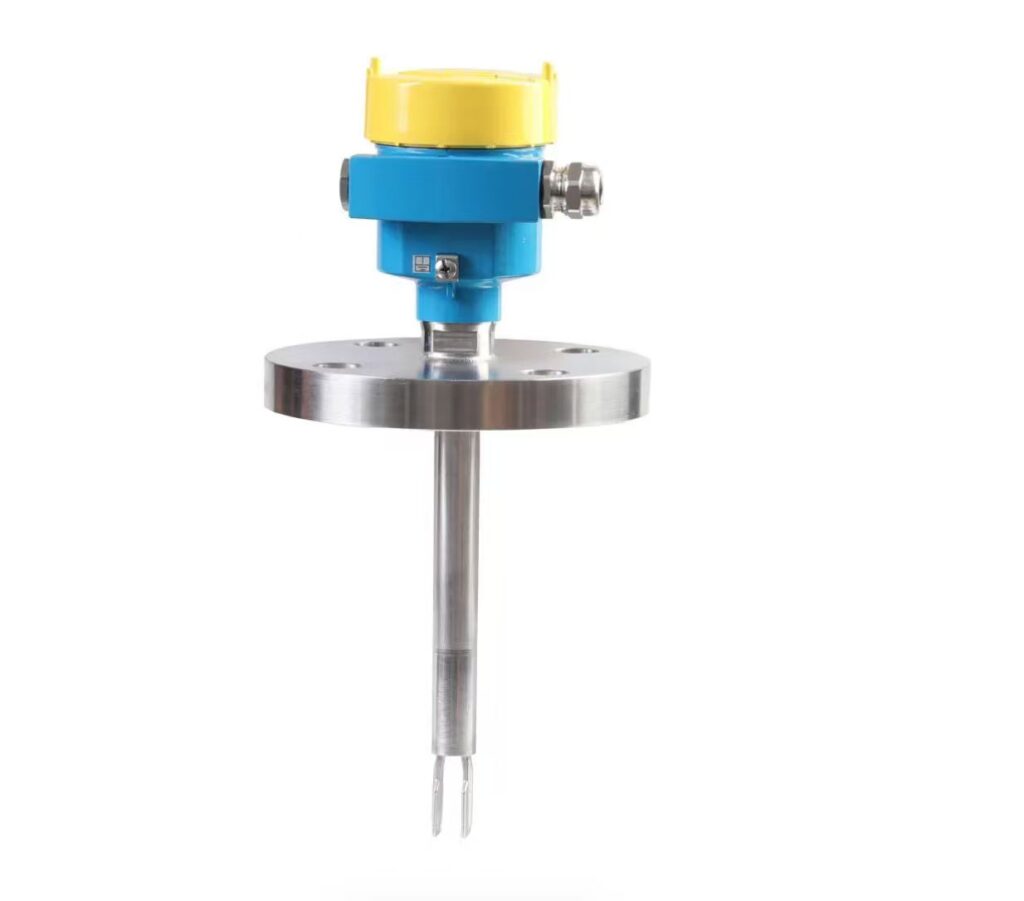
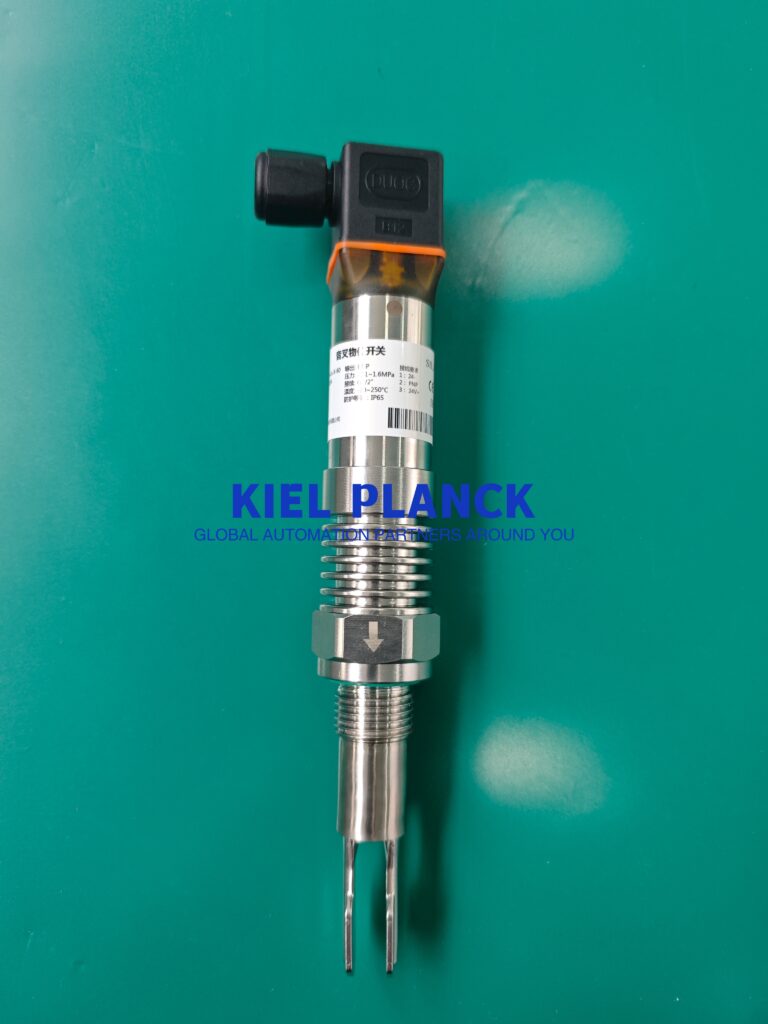
A vibrating fork level switch contains a fork-shaped sensing element that vibrates at a defined frequency.
When the fork is uncovered, it maintains its normal vibration condition.
When liquid covers the fork, the vibration characteristics change. The electronics detect this change and generate a switching output.
This signal can be connected to a PLC, DCS, relay, or alarm circuit.
Vibrating fork switches are commonly used for point-level detection in industrial liquids. Their suitability depends on the liquid properties and the operating conditions.
For example, a liquid with heavy deposits or crystallization may require special consideration.
5. Four Important Selection Factors
Liquid Compatibility
The first step is to identify the actual liquid.
It may be water, condensate, alkaline electrolyte, or another process liquid.
Confirm that the fork and process connection materials are compatible with the liquid composition.
316L stainless steel is commonly used in industrial instrumentation, but its suitability must be verified for the specific chemical composition and operating temperature.
Temperature and Pressure
Check the normal and maximum process temperature and pressure.
The switch must remain within its specified operating limits during startup, normal operation, cleaning, and abnormal conditions.
Installation Position
The switch must be installed at the correct alarm elevation.
Check the vessel drawing, nozzle position, internal components, inlet flow, and maintenance access.
The fork should not be installed where internal structures interfere with its operation.
Output Signal and Certification
Confirm the required PNP, NPN, relay, or other output.
Check the power supply, PLC input type, cable connection, and alarm logic.
If the instrument is installed in a classified hazardous area, verify that its certification matches the project requirements.
6. One Level Switch or Two?
For vessels requiring both high- and low-level alarms, two separate point-level switches may be used.
One switch detects the upper alarm point, while the other detects the lower alarm point.
This arrangement provides separate signals and allows the project to define different alarm functions.
A continuous level transmitter may be considered where operators need an ongoing measurement across the vessel’s operating range.
The choice should depend on the process design, required alarm independence, maintenance requirements, and control system architecture.
7. Alarm Logic and Commissioning
A level switch provides a signal. The control system determines what happens when the signal changes.
Possible functions include:
High-level warning.
High-high level alarm.
Low-level warning.
Low-low level shutdown, where specified.
Pump start or stop command, where appropriate.
The alarm and interlock functions should be defined by the equipment designer and project control philosophy.
Before commissioning, verify the instrument installation height, process connection, wiring, output logic, and PLC response.
Test the alarm functions using the manufacturer’s recommended procedure.
Conclusion
Hydrogen and oxygen separators, condensate recovery tanks, and other liquid collection vessels may require high- and low-level alarms to support reliable operation.
A vibrating fork level switch can provide practical point-level detection when the liquid, temperature, pressure, installation, and electrical requirements are suitable.
The most important selection steps are to identify the actual liquid, define the required switching elevation, verify material compatibility, and confirm the output and certification.
For hydrogen equipment manufacturers, designing level alarms together with the vessel P&ID and control philosophy helps avoid unnecessary instrument changes during commissioning.
Scan the QR code to receive more detailed information.