The three main principles involved in mainstream gas mass flow meters and mass flow controllers - Kiel Planck
  • Home
        • New Product

          The three main principles involved in mainstream gas mass flow meters and mass flow controllers - Kiel Planck

          There is a solution for every application. Let’s work together to find the right solution for you.

          Your benefits

          We use our experience to move your project forward.

          PHONE: 400-8868-261

          E-mail: info@kielplanckprc.com / kielplanck@outlook.com

  • Application
  • Service
  • Brand
  • Blog
  • Contact Us

The three main principles involved in mainstream gas mass flow meters and mass flow controllers

The three main principles involved in mainstream gas mass flow meters and mass flow controllers

1. Thermal Mass Principle (Most widely adopted, over 90% standard MFCs)

Divided into two types:

(1) Capillary laminar thermal type (traditional industrial MFC)

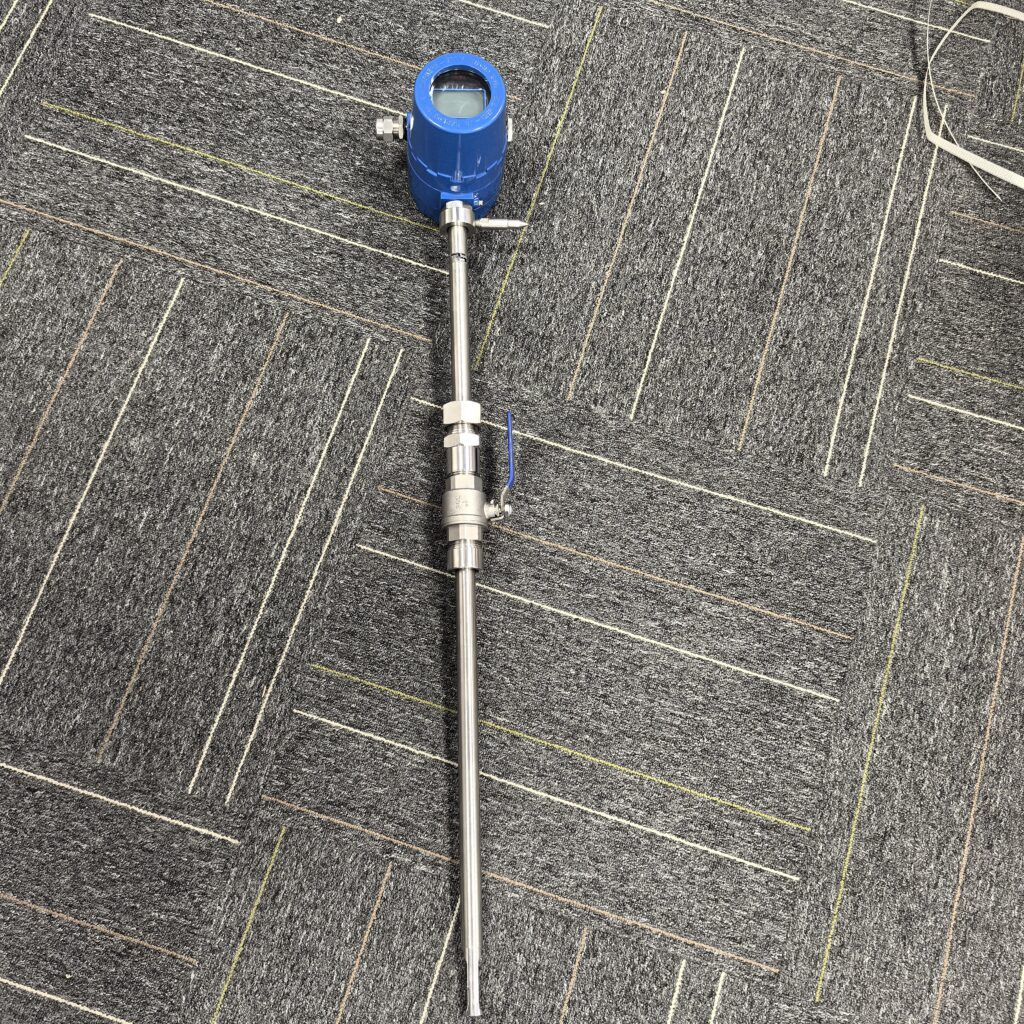
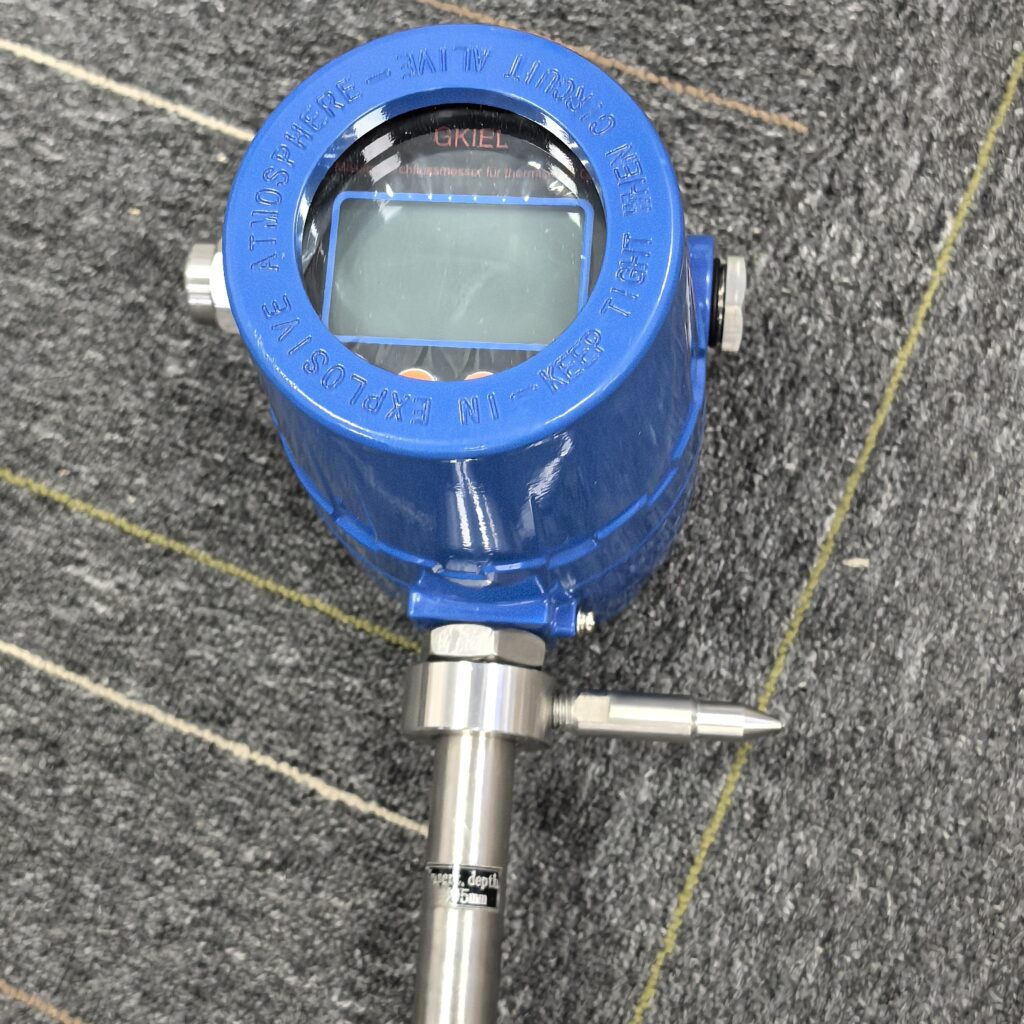
Gas splits into a main channel and a tiny bypass capillary. Two platinum coils wrap around the capillary: the upstream coil heats the gas, while the downstream coil detects temperature. Heat carried away by flowing gas creates a temperature difference proportional to mass flow. Readings are barely affected by gas temperature and pressure fluctuations.
  • Pros: Wide measuring range, stable accuracy, fast response; standard for semiconductors, photovoltaics and labs.
  • Cons: Capillary easily clogged by dust or oil; high cost for high-flow models.

(2) MEMS chip thermal type

Integrated heating and temperature-sensing resistors on a silicon MEMS chip with micro flow channels. Compact and low-cost, mainly for low-flow scenarios and portable equipment.

2. Coriolis Mass Principle

Gas passes through a vibrating bent measuring tube. Moving gas generates Coriolis force, producing a phase shift between tube sensors. The phase difference directly reflects mass flow rate without temperature/pressure compensation.
  • Pros: True direct mass measurement, compatible with corrosive high-purity gases, high pressure resistance, suitable for large flow rates.
  • Cons: Bulky, expensive, poor accuracy under ultra-low flow; rarely made into small-range MFCs, mostly used for large-bore gas mass flow meters.

3. Laminar Differential Pressure Principle

Based on Poiseuille’s law: under full laminar flow, pressure drop across a laminar element has a linear relationship with gas mass flow. A high-precision differential pressure sensor converts pressure signals into mass flow values.
  • Pros: Robust structure, high temperature resistance, dust tolerance, cost-effective for large flow measurement.
  • Cons: Strict laminar flow requirement; low accuracy under low pressure and tiny flow rates, applied to industrial purging and exhaust gas measurement.

Application Summary

  1. Thermal MFC: Standard for low & medium flow semiconductor, coating and laboratory processes
  2. Coriolis meter: High-precision large-flow measurement of rare or corrosive specialty gases
  3. Laminar differential pressure meter: Heavy industrial large-flow, high-temperature crude process gas measurement
 
The three main principles involved in mainstream gas mass flow meters and mass flow controllers - Kiel Planck

Scan the QR code to receive more detailed information.

The three main principles involved in mainstream gas mass flow meters and mass flow controllers - Kiel Planck

Share:

More Posts

Real-time pH monitoring in aquaculture - Kiel Planck

Real-time pH monitoring in aquaculture

Water quality is the core determinant of aquaculture yield and aquatic organism health, among which pH value serves as one of the most sensitive and critical indicators. Slight fluctuations in water pH can directly affect the respiration, metabolism, and immunity of fish, shrimp and shellfish, and even trigger large-scale disease outbreaks and mortality in severe cases.

Online pH water quality monitoring solution - Kiel Planck

Online pH water quality monitoring solution

pH value is one of the most fundamental and critical indicators in water quality evaluation, reflecting the acidity and alkalinity of water bodies and directly affecting aquatic ecological safety, industrial production efficiency, and sewage discharge compliance. Traditional manual pH detection methods suffer from low efficiency, severe data lag, and human operation errors, which can no longer meet the real-time and high-precision monitoring requirements of modern water environment management and industrial water treatment.

Wastewater pH Sensor Maintenance Techniques - Kiel Planck

Wastewater pH Sensor Maintenance Techniques

pH sensors are core monitoring devices in wastewater treatment systems, responsible for real-time detection of water acidity and alkalinity to support biochemical treatment, chemical dosing and effluent discharge compliance. Unlike conventional water quality sensors, wastewater pH sensors operate in harsh environments with high suspended solids, organic pollutants, corrosive ions and variable water temperatures, making them prone to contamination, electrode aging and data drift. Regular and standardized maintenance is essential to ensure long-term measurement accuracy and stable operation

Method for calculating water pH value - Kiel Planck

Method for calculating water pH value

Water pH value is a vital physicochemical parameter that indicates the acidity or alkalinity of aqueous solutions. It profoundly influences water ecological stability, industrial water treatment efficiency, and drinking water safety. Accurate pH calculation is the fundamental basis for water quality analysis, environmental monitoring, and chemical experimental research. This article elaborates on the basic theoretical principles of water pH calculation and introduces two mainstream practical methods: theoretical formula calculation for pure water and instrument conversion calculation for complex water bodies.

Send Us A Message

captcha
Reload

Bitte geben Sie die im CAPTCHA angezeigten Zeichen ein, um sicherzustellen, dass Sie ein Mensch sind.

Email
Email: info@kielplanckprc.com
WhatsApp
WhatsApp Me