Irregular calibration will cause path measurement deviation, inconsistent signal response and overall metering errors. This paper systematically summarizes the key calibration points of multi-channel high-precision ultrasonic flow meters, covering pre-calibration preparation, multi-path independent calibration, flow point hierarchical verification, temperature and pressure parameter correction, and post-calibration debugging. It analyzes common calibration errors and standardized control methods, and clarifies the core technical specifications for whole-process calibration. The research provides standardized operational guidelines for field calibration and laboratory verification, effectively ensuring the long-term precision, stability and traceability of multi-channel ultrasonic flow meters in industrial applications.
1. Introduction
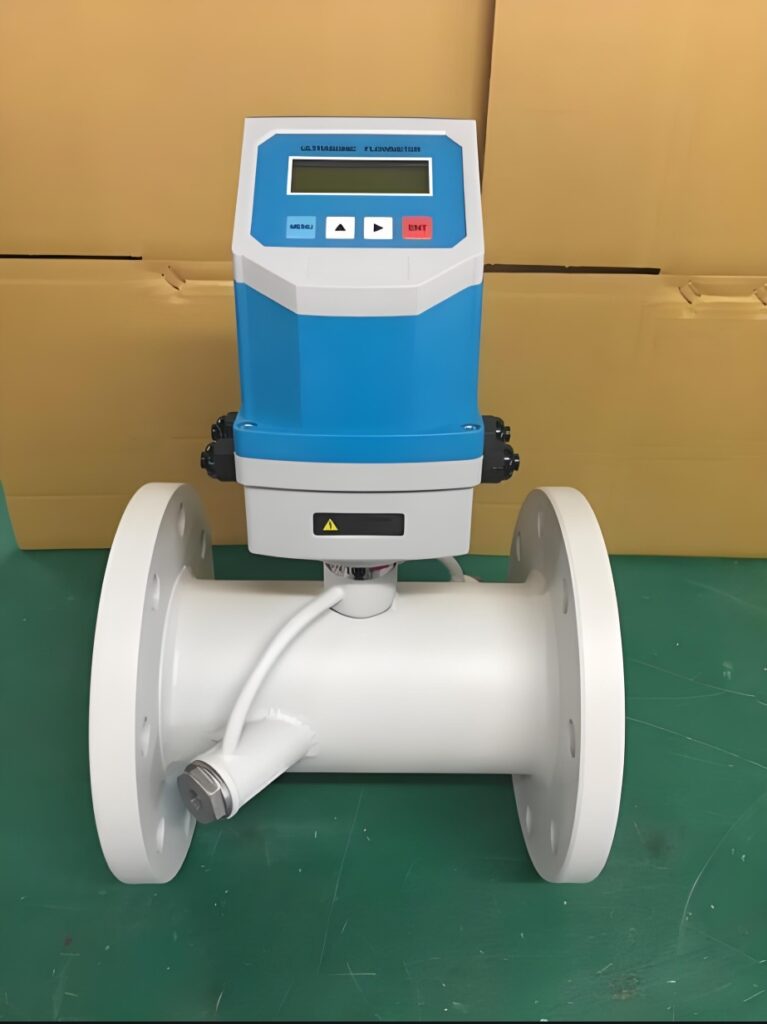
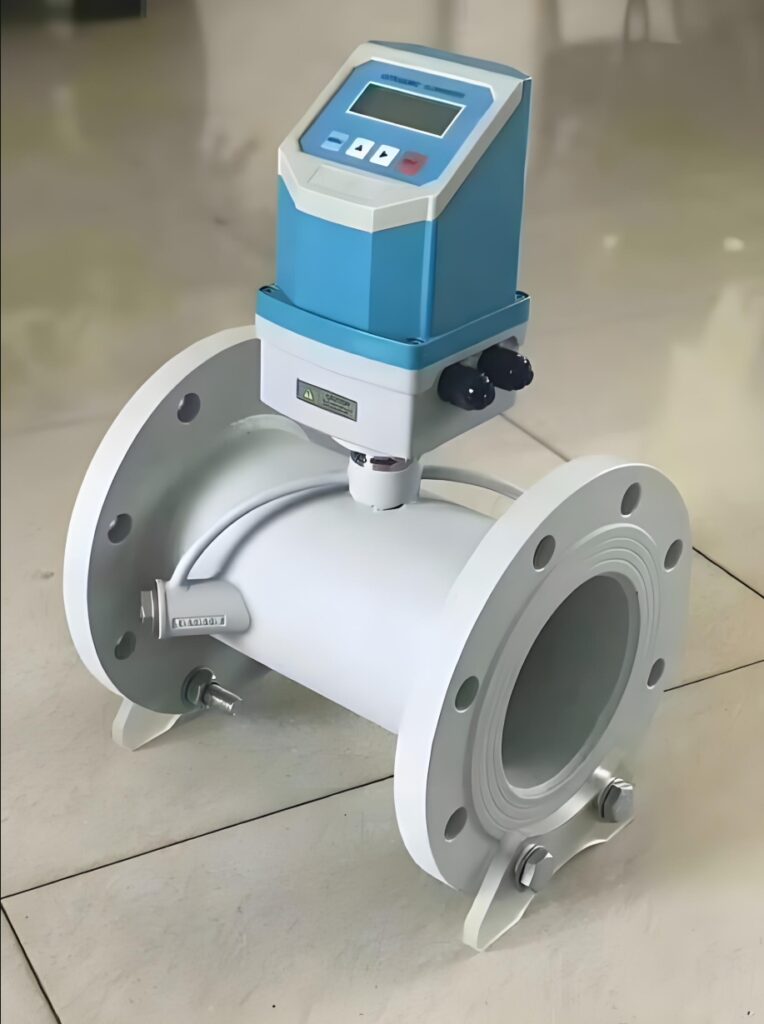
With the continuous improvement of industrial metering accuracy standards, multi-channel ultrasonic flow meters have gradually replaced single-channel equipment in high-end precision measurement scenarios. By arranging multiple ultrasonic acoustic paths at different pipe diameters and flow layers, the equipment can accurately collect the velocity distribution of turbulent and asymmetric flow fields, effectively making up for the defect of single-point sampling deviation of traditional flow meters. Nevertheless, the multi-path collaborative measurement mode puts forward stricter demands for calibration work. Traditional single-point calibration methods cannot eliminate individual path errors and inter-path matching deviations, resulting in reduced overall measurement precision. Therefore, mastering the standardized key calibration technologies is the key to giving full play to the high-precision performance of multi-channel ultrasonic flow meters and ensuring metering credibility.
2. Pre-calibration Preparation and Environmental Control
Standardized pre-calibration preparation is the foundation of accurate calibration. First, equipment inspection must be completed, including checking the firmness of each channel transducer, the integrity of signal lines, and the normal operation of the data acquisition system. Faulty sensors and loose wiring will lead to abnormal signal acquisition and affect calibration authenticity. Second, on-site environmental parameters need to be stabilized. Calibration shall be carried out under constant temperature and stable pressure to avoid sound velocity deviation caused by drastic changes in fluid parameters. In addition, the pipeline must be fully exhausted to eliminate tiny bubbles, and the fluid shall be kept clean to prevent suspended particles from interfering with ultrasonic signal transmission. Meanwhile, sufficient upstream and downstream straight pipe sections are required to ensure fully developed flow field, which meets the basic conditions for multi-path sampling calibration.
3. Core Key Points of Multi-channel Calibration
Independent calibration of each acoustic path is the most critical step different from conventional flow meter calibration. Operators need to separately test and calibrate the signal strength, propagation time difference and linear response of each channel. Since each acoustic path corresponds to different fluid flow layers, single overall calibration cannot correct individual path errors. It is necessary to adjust the gain and delay parameters of each channel one by one to ensure consistent signal sensitivity and zero error of all paths, avoiding overall measurement deviation caused by unbalanced response of different channels.
Hierarchical flow point verification is another core calibration point. Multi-channel high-precision flow meters require multi-point calibration covering low, medium and high flow velocity ranges, rather than single-point calibration. Low-flow calibration corrects the threshold error of weak signal acquisition, medium-flow calibration verifies the linear stability of conventional working conditions, and high-flow calibration eliminates turbulent interference errors. After completing single-point calibration, the system matching algorithm should be optimized to ensure that the multi-path fusion calculation results are consistent with the standard flow value, realizing overall precision optimization.
Parameter compensation calibration cannot be ignored in complex working conditions. Combined with real-time temperature and pressure data, the calibration system needs to correct fluid sound velocity changes and transducer characteristic drift. For high-precision metering scenarios, traceable standard devices are required for comparison calibration to ensure that calibration data meets national metering traceability standards.
4. Post-calibration Debugging and Error Control
After calibration, systematic debugging and error verification are essential. First, perform zero-point static calibration to eliminate pipeline residual stress and static signal drift. Second, conduct repeated sampling tests under the same working condition to verify the repeatability of multi-channel measurement data, ensuring that the repeatability error is controlled within the high-precision standard range. In addition, it is necessary to check the signal synchronization of each channel to avoid data dislocation caused by inconsistent signal transmission delay. For calibration deviations exceeding the standard range, targeted re-calibration of abnormal channels is required instead of overall blind adjustment.
5. Conclusion
The calibration of multi-channel high-precision ultrasonic flow meters focuses on multi-path independent correction, hierarchical flow point verification and parameter adaptive compensation, which is more refined and systematic than traditional single-channel equipment calibration. Standardized pre-calibration environment control, accurate single-channel parameter debugging and rigorous post-calibration error verification are the key links to ensure calibration quality. Scientific and standardized calibration processes can effectively eliminate path matching errors, signal response deviations and working condition parameter drifts, maximizing the high-precision measurement advantages of multi-channel ultrasonic flow meters. Strict implementation of the above calibration key points can significantly improve the stability, repeatability and traceability of flow measurement data, providing reliable metering support for industrial precision production and fiscal custody transfer scenarios.
Scan the QR code to receive more detailed information.