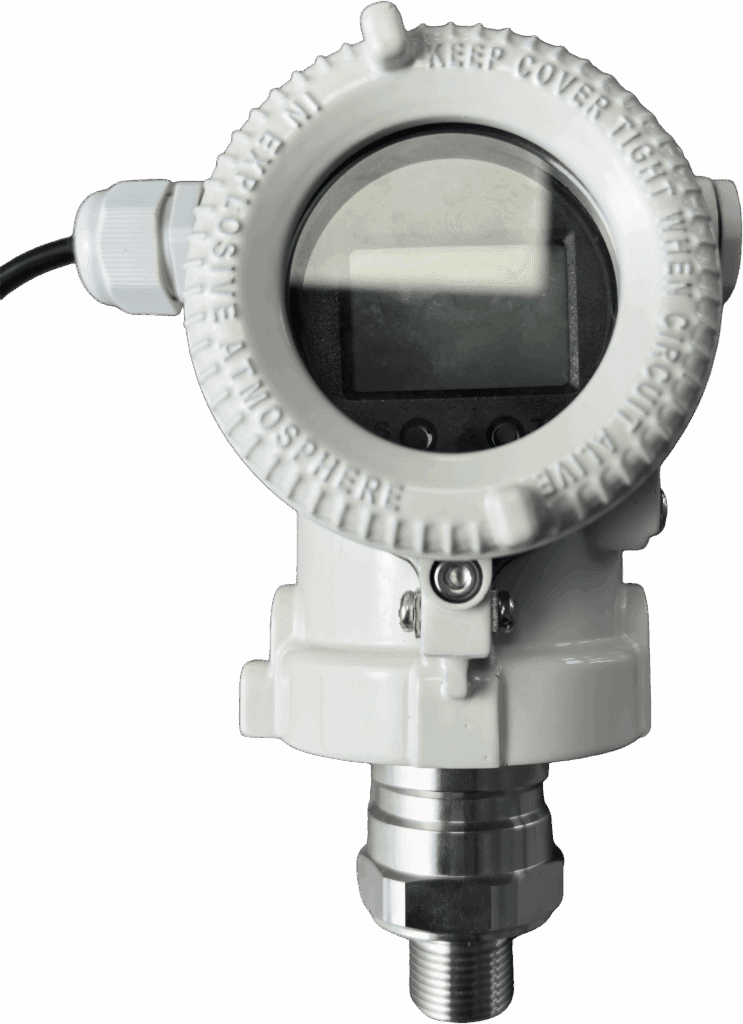
Based on the operating characteristics of diaphragm hydrogen compressors, this paper analyzes the main factors affecting the long-term stable operation of matching pressure transmitters, including vibration interference, hydrogen medium damage, pressure pulsation impact and non-standard installation and maintenance. Combined with practical industrial failure cases and existing research results, it proposes targeted optimization and improvement measures. The study aims to improve the measurement reliability and service life of pressure transmitters in diaphragm hydrogen compressor working conditions, and provide technical guidance for the stable operation and fault maintenance of hydrogen compression monitoring systems.
1. Introduction
With the rapid development of the hydrogen energy industry, high-purity and high-pressure hydrogen supply technology has become a key link in industrial hydrogen production and application. Diaphragm hydrogen compressors rely on flexible diaphragm isolation compression to achieve oil-free and leak-free hydrogen pressurization, which is the preferred equipment for high-purity hydrogen compression. In the actual operation of the compressor, real-time and accurate pressure monitoring is essential to avoid overpressure failure, diaphragm damage and system safety accidents. Pressure transmitters need to adapt to the harsh working conditions of long-term high-frequency vibration, alternating pressure and pure hydrogen medium erosion. However, conventional pressure transmitters often suffer from performance attenuation in this special working environment, resulting in unstable monitoring data and frequent instrument failures. Therefore, analyzing the adaptability and stability of pressure transmitters for diaphragm hydrogen compressors is of great engineering significance to ensure the long-term reliable operation of hydrogen compression equipment.
2. Operational Characteristics of Diaphragm Hydrogen Compressors
The special working mechanism of diaphragm hydrogen compressors forms unique operating environments that differ greatly from general industrial conditions. First, the diaphragm reciprocating compression mode produces continuous periodic pressure pulsation, leading to alternating load impact on the pressure measurement system. Second, the high-frequency movement of the diaphragm and the operation of power components will generate persistent mechanical vibration, with a vibration frequency ranging from 20 Hz to 1000 Hz, forming long-term vibration interference for nearby transmitters. Third, the equipment operates in a pure high-pressure hydrogen medium environment, and tiny hydrogen molecules have strong permeability, which is easy to cause hydrogen embrittlement and aging of instrument components. In addition, the hydrogen compression process is accompanied by local temperature rise, and the coupled effect of temperature change and pressure fluctuation further increases the operating load of pressure transmitters, putting forward higher requirements for the anti-interference performance and structural stability of monitoring instruments.
3. Main Factors Affecting Transmitter Stability
3.1 High-Frequency Vibration Interference
Mechanical vibration is the most prominent interference factor for pressure transmitters of diaphragm hydrogen compressors. Long-term high-frequency vibration generated by compressor operation will cause fatigue damage to the transmitter’s sensitive diaphragm and internal circuit structure, loosen internal wiring and fixed parts, and reduce the overall anti-vibration performance of the instrument. Under continuous vibration conditions, the transmitter is prone to zero-point drift and poor signal repeatability. In severe cases, it will output distorted pressure data, resulting in inaccurate system pressure judgment. In actual industrial applications, most measurement instability faults of transmitters installed on compressor bodies are caused by unbuffered long-term vibration impact.
3.2 Hydrogen Medium Erosion and Hydrogen Embrittlement
The pure hydrogen working medium of diaphragm compressors causes irreversible damage to the core components of transmitters. High-pressure hydrogen molecules penetrate into the metal diaphragm and sealing materials of transmitters, inducing hydrogen embrittlement, reducing metal structural strength, and causing micro-deformation of the pressure-sensitive diaphragm. Conventional rubber sealing materials are prone to swelling, aging and micro-leakage after long-term contact with high-pressure hydrogen, which destroys the sealing performance of the transmitter and leads to pressure measurement deviation. Different from general gas media, hydrogen’s strong permeability makes the performance attenuation of transmitters show cumulative characteristics, and long-term operation will eventually lead to complete failure of measurement function.
3.3 Pressure Pulsation and Installation Defects
The periodic pressure pulsation of the compressor will produce alternating impact on the pressure guiding pipeline and the transmitter sensor, resulting in nonlinear measurement errors. If the transmitter range is not properly selected and the working pressure is close to the full range limit, the measurement error will be further amplified. Meanwhile, non-standard installation is an important hidden danger affecting stability. Improper fixing methods, unreasonable installation positions near vibration sources and unstandardized pressure guiding pipe layout will aggravate vibration stress conduction and pressure signal delay, resulting in inconsistent long-term measurement data. In addition, installation stress caused by excessive thread fastening will also cause permanent deformation of the transmitter diaphragm and affect measurement accuracy.
3.4 Deficiencies in Daily Maintenance and Calibration
Long-term uninterrupted operation of compressors makes transmitters lack regular calibration and maintenance, resulting in cumulative measurement errors. Minor faults such as slight sealing aging and signal jitter cannot be eliminated in time, and gradually expand under the coupling effect of vibration and hydrogen erosion. Overload operation beyond the design range and improper parameter setting will also cause irreversible damage to the sensor core, greatly shortening the service life of the transmitter.
4. Stability Optimization Measures
Aiming at the special working conditions of diaphragm hydrogen compressors, targeted optimization measures are proposed to improve transmitter stability. Firstly, select vibration-resistant and hydrogen embrittlement-resistant special pressure transmitters, adopt high-strength alloy sensitive diaphragms and fluororubber composite sealing structures to adapt to pure hydrogen medium and vibration environment. Secondly, install vibration isolation brackets and buffer devices for transmitters to weaken high-frequency vibration and pressure pulsation impact, and reasonably select the measuring range to avoid excessive full-range load. Thirdly, standardize the installation process, avoid strong vibration areas, optimize the layout of pressure guiding pipelines, and reduce installation stress and signal delay. Finally, establish a regular calibration and inspection mechanism to timely correct zero drift and eliminate potential faults, ensuring long-term stable operation of the transmitter.
5. Conclusion
The stable operation of pressure transmitters for diaphragm hydrogen compressors is mainly restricted by four key factors: high-frequency vibration interference, hydrogen medium erosion and hydrogen embrittlement, pressure pulsation impact and non-standard operation and maintenance. Vibration causes signal instability and structural fatigue, while hydrogen permeation leads to irreversible aging and failure of instrument components, and unreasonable selection and maintenance further amplify measurement errors. To improve the long-term stability of transmitters, it is necessary to start with model selection optimization, vibration isolation protection, standardized installation and refined maintenance, and adapt to the special alternating pressure and pure hydrogen working environment of diaphragm compressors. This research can effectively solve the common measurement instability problems of pressure monitoring systems for hydrogen compression equipment, and provide reliable technical support for the safe and stable operation of industrial hydrogen supply systems.
Scan the QR code to receive more detailed information.