Different from conventional gas compressors, diaphragm hydrogen compressors feature periodic pressure pulsation, high-frequency mechanical vibration and pure high-pressure hydrogen medium, which put forward strict requirements on the material adaptability, anti-interference performance and measuring range of transmitters. This paper systematically summarizes the scientific selection criteria of pressure transmitters for diaphragm hydrogen compressor outlets, analyzes key application difficulties in actual industrial scenarios, and proposes standardized application and maintenance strategies combined with field practice. The research aims to provide practical technical references for the optimal selection and reliable application of pressure monitoring instruments for hydrogen compression equipment.
1. Introduction
With the rapid popularization of hydrogen energy industrialization, high-pressure and zero-leakage hydrogen compression technology has become an indispensable support for hydrogen storage and transportation. Diaphragm hydrogen compressors rely on metal diaphragm isolation compression to achieve oil-free and high-purity hydrogen pressurization, which has become the mainstream equipment for medium and high-pressure hydrogen supply. The outlet pressure of the compressor is a critical process parameter; unstable pressure will lead to fluctuations in hydrogen delivery flow, and excessive instantaneous pressure will easily cause pipeline leakage and equipment damage. As the key instrument for real-time collection of outlet pressure signals, the performance matching degree of pressure transmitters directly affects the precision of automatic control systems and equipment safety early warning capability. However, unreasonable model selection and non-standard application often lead to measurement drift and signal jitter. Therefore, exploring scientific selection methods and standardized application practices is of great practical significance for improving the operational reliability of diaphragm hydrogen compression systems.
2. Key Selection Principles of Outlet Pressure Transmitters
The selection of pressure transmitters for diaphragm hydrogen compressor outlets must be based on the three core characteristics of the working medium, operating pressure and field environment, adhering to targeted and practical principles. First, medium adaptability is the primary index. High-pressure hydrogen has strong permeability and hydrogen embrittlement characteristics, so transmitters must adopt hydrogen-resistant alloy diaphragms and special fluororubber sealing materials to avoid structural aging and measurement deviation caused by hydrogen permeation. Second, the measuring range should be scientifically matched. According to industrial application norms, the long-term working pressure should be controlled within 60% to 80% of the transmitter’s full range, which can effectively avoid measurement errors caused by long-term full-load operation and reserve sufficient overpressure protection margin for instantaneous pressure pulsation. Third, anti-interference performance must meet site requirements. Compressor operation generates continuous high-frequency vibration, so transmitters with excellent vibration resistance and signal stability should be prioritized to suppress zero drift caused by mechanical vibration.
3. Core Technical Selection Indicators
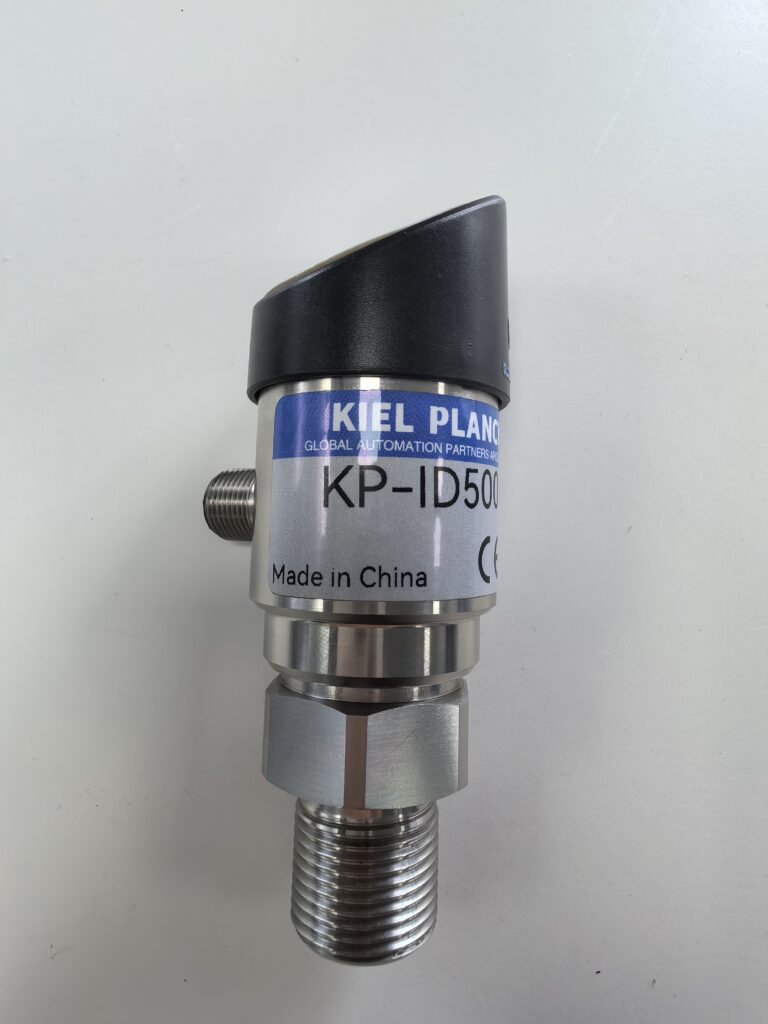
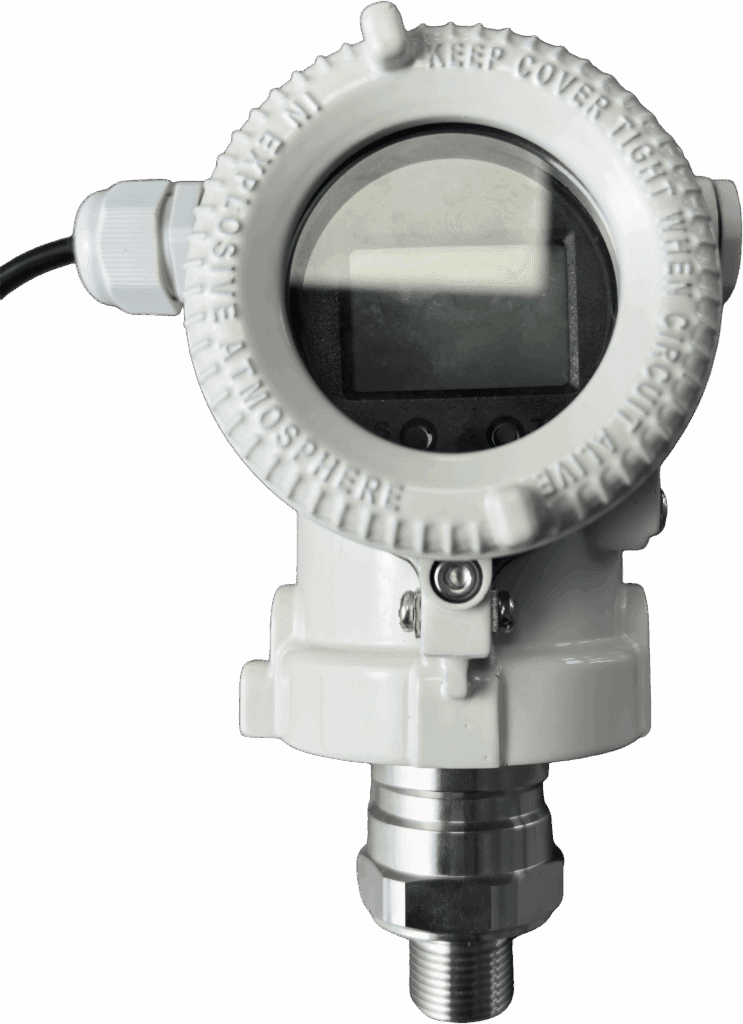
In engineering practice, four key technical indicators determine the application effect of transmitters. The first is accuracy grade. Outlet pressure monitoring of hydrogen compressors requires high-precision and stable data, so transmitters with an accuracy of 0.1%~0.5% FS are generally selected to meet the needs of precise process control. The second is overpressure resistance. Combined with the instantaneous pressure peak generated by compressor periodic pulsation, the selected transmitter should have more than twice the overpressure protection capacity to resist impact pressure. The third is environmental protection level. Field industrial environments require IP66 and above protection grades to prevent dust and moisture from invading the internal circuit and ensure long-term stable operation. The fourth is signal output mode. The standard 4-20mA analog signal is adopted to match industrial control systems, which features strong anti-interference and stable transmission, suitable for long-distance signal transmission of compressor outlet monitoring.
4. Field Application Difficulties and Standardized Practices
In actual field application, pressure transmitters still face many stability challenges. Periodic pressure pulsation of the compressor easily causes jitter of output signals, while long-term vibration leads to loose installation and cumulative zero drift. In addition, improper installation position and non-standard pressure guiding pipeline layout will further aggravate measurement errors. To solve the above problems, standardized application practices are summarized. Firstly, install vibration isolation gaskets and fixed brackets at the installation position to isolate high-frequency vibration conduction. Secondly, configure pressure buffer devices at the pressure inlet to weaken the impact of instantaneous pressure pulsation and stabilize measurement signals. Thirdly, avoid installing transmitters at pipeline turbulence and stress concentration positions to reduce additional measurement interference. Meanwhile, establish a regular calibration mechanism to regularly correct zero drift and eliminate hidden dangers of inaccurate measurement.
5. Conclusion
Scientific selection and standardized field application are the core guarantees for reliable outlet pressure monitoring of diaphragm hydrogen compressors. Transmitter selection must fully adapt to the special working conditions of high-pressure hydrogen medium, periodic pressure pulsation and high-frequency vibration, focusing on medium adaptability, reasonable range matching, high precision and strong anti-interference performance. In field application, vibration isolation optimization, pressure buffering treatment and standardized installation and maintenance should be implemented to effectively solve common problems such as signal jitter and measurement drift. Adhering to professional selection criteria and standardized application practices can significantly improve the long-term operational stability and measurement accuracy of pressure transmitters, ensure the safe, stable and efficient operation of diaphragm hydrogen compression equipment, and provide solid technical support for the reliable operation of industrial hydrogen supply systems.
Scan the QR code to receive more detailed information.