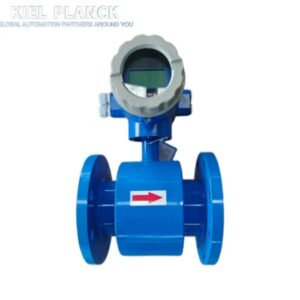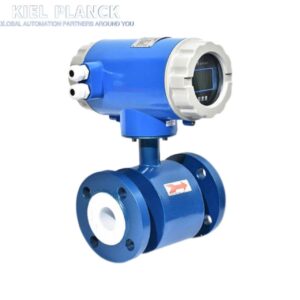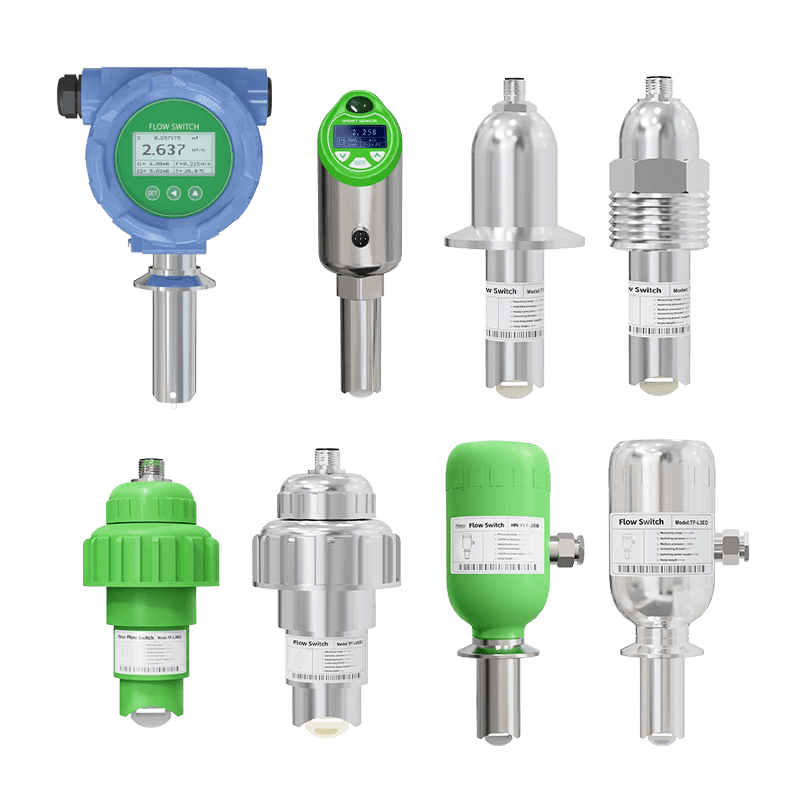
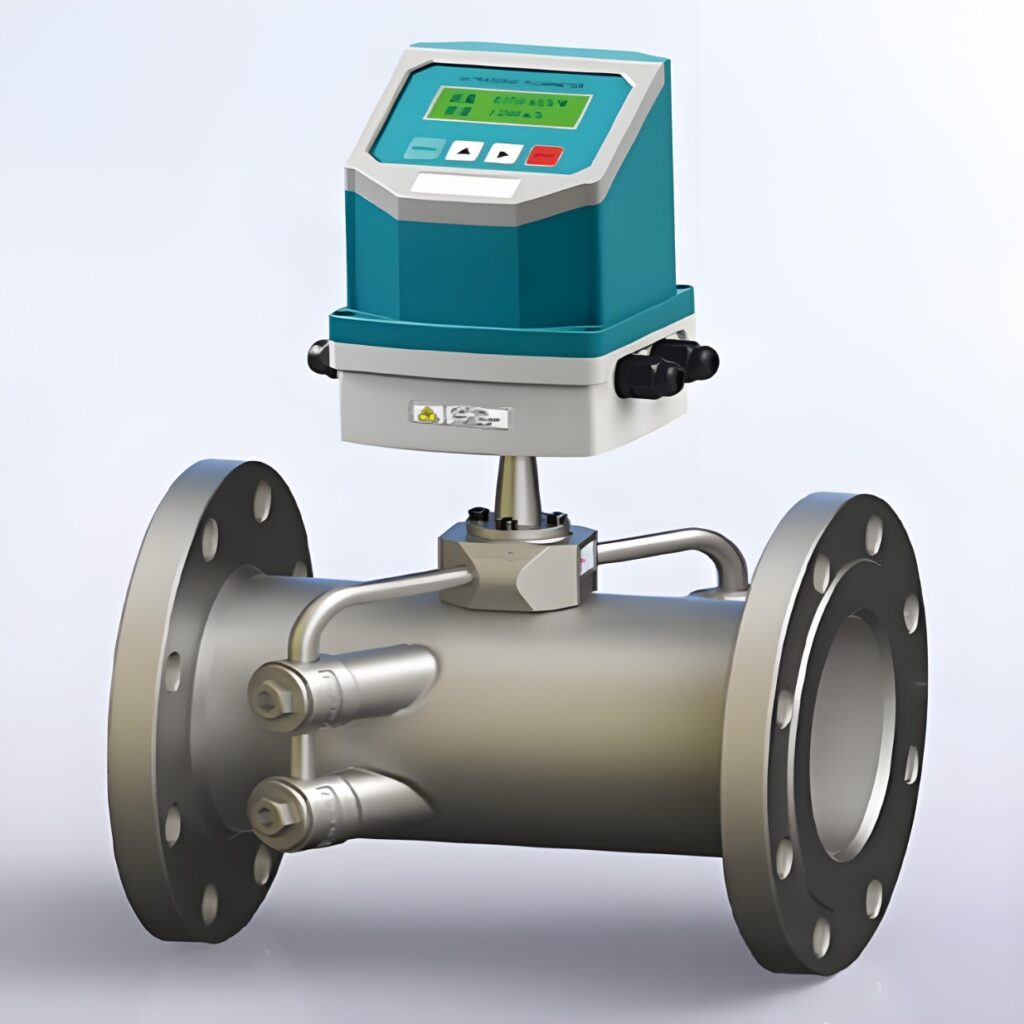
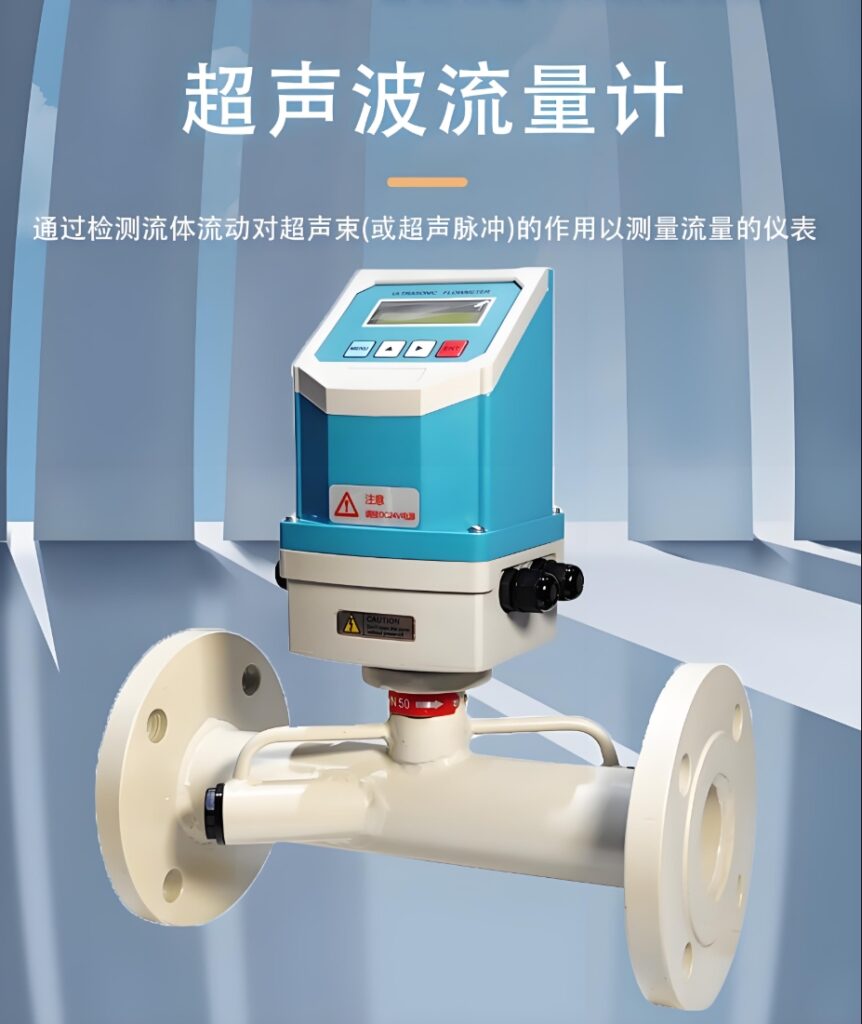
Gas turbine flow meters, gas rotary (Roots) flow meters, and ultrasonic flow meters are the main types of natural gas flow meters used in incinerators. Among them, gas turbine flow meters are the preferred choice due to their high accuracy (up to ±0.2%), wide range ratio (usually 1:20 to 1:100), and low pressure loss.
I. Core Requirements for Natural Gas Flow Meters in Incinerators
Natural gas metering in incinerators differs from general industrial applications, exhibiting the following specific requirements:
Trade settlement-level accuracy: Natural gas, as a fuel, directly impacts operating costs, requiring high accuracy of ±0.2% to ±0.5%.
Wide flow range adaptability: Incinerator loads fluctuate significantly, necessitating a flow meter range ratio of at least 1:10.
Integrated combustion control: Seamless integration with the incinerator’s combustion control system is required to achieve precise air-fuel ratio control.
Safety and reliability: Explosion-proof requirements (ExdⅡBT6/ExiaⅡCT6) must be met, along with self-diagnostic fault functionality.
Key Selection Parameters and Installation Considerations
1. Core Parameter Matching
Flow Rate Range: Select based on the incinerator’s maximum natural gas consumption. For example, an incinerator with a processing capacity of 500 tons/day may consume approximately 1000-2000 Nm³/h of natural gas. A flow meter with the highest accuracy within this range should be selected.
Pressure Rating: The working pressure of the incinerator’s natural gas pipeline is typically 0.2-0.6 MPa. A matching pressure rating (e.g., PN10-PN40) must be selected.
Diameter Selection: DN50-DN200 is a common diameter range for incinerator natural gas metering. The actual pipe diameter must be determined.
2. Key Installation Requirements
Straight Pipe Section: The gas turbine flow meter requires a straight pipe section of 10D-20D upstream and 5D-10D downstream (D is the pipe diameter).
Filtering Device: A filter must be installed upstream of the flow meter to prevent impurities from entering and causing measurement errors or damage.
Temperature and Pressure Compensation: Temperature and pressure sensors and a flow computer are required to convert the operating flow rate into the volumetric flow rate under standard conditions for accurate measurement.
Explosion-proof Requirements: Must comply with ExdⅡBT6 (flameproof) or ExiaⅡCT6 (intrinsically safe) explosion-proof standards.
Practical Tips and Maintenance Recommendations
Trade Settlement Scenarios: Prioritize gas turbine flow meters or rotary flow meters, with accuracies ranging from ±0.2% to ±0.5%, meeting trade settlement requirements.
Small Flow Measurement: For small incinerators or auxiliary fuel systems, consider diaphragm gas meters, with a range ratio of up to 1:160, particularly suitable for scenarios with large flow variations.
Maintenance Cycle: Gas turbine flow meters are recommended to undergo a comprehensive calibration every 3-5 years to ensure long-term measurement accuracy. For flow meters used for trade settlement, periodic verification should be strictly carried out in accordance with national metrological verification regulations. According to the “Metrology Law of the People’s Republic of China” and other relevant regulations, measuring instruments used for trade settlement are subject to mandatory verification. Users should apply for periodic verification with the local legal metrological verification institution to ensure the accuracy and reliability of their measurements.
Safety Interlock: The flow meter should be interlocked with the combustion safety system, automatically cutting off the gas supply in case of abnormal flow, meeting the requirements of the “Standards for Judging Major Accident Hazards in Industrial and Commercial Sectors”.
Signal Output: Select a model that supports 4-20mA analog output and RS485 digital communication for easy integration with DCS/SCADA systems.
For new incineration projects, it is recommended to use intelligent gas turbine flow meters, which integrate temperature and pressure compensation and self-diagnostic functions, significantly reducing later maintenance costs. According to a research report by China Petroleum Planning and Research Institute, although ultrasonic flow meters have a higher initial investment, their total life cycle cost is 35% lower than orifice plate flow meters, mainly due to the elimination of periodic replacements and lower maintenance requirements. When selecting a flow meter, accuracy requirements, budget constraints, and ease of maintenance should be comprehensively considered to ensure that the flow meter matches the overall performance of the incinerator.
Add me as a friend to learn more.