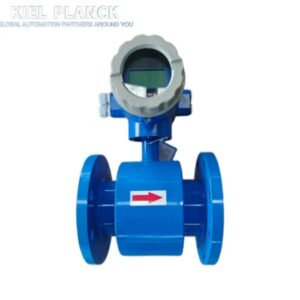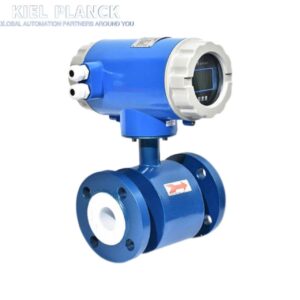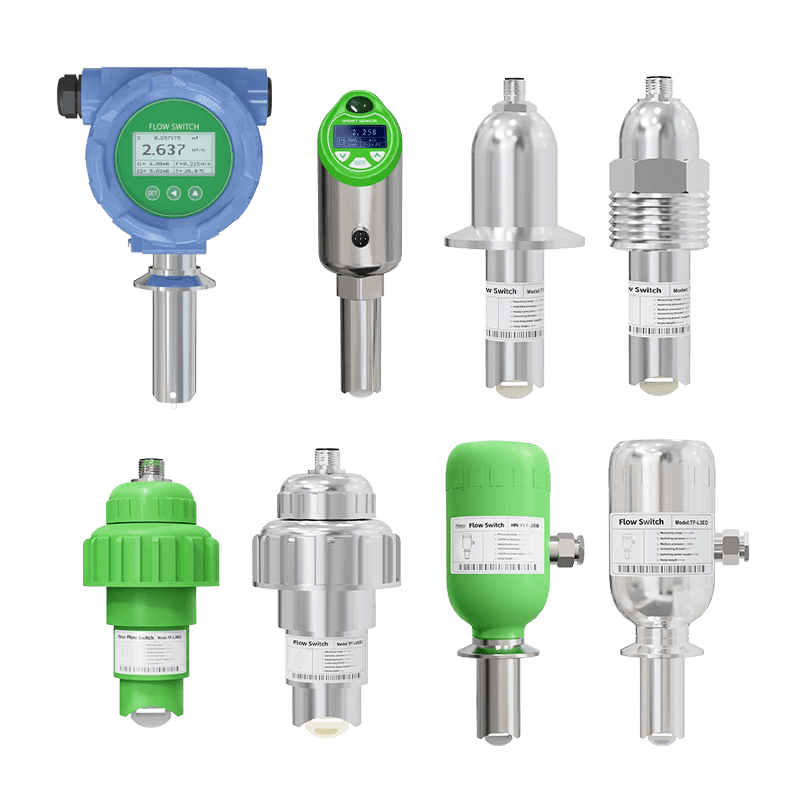
Temperature transmitters are mainly divided into five categories: thermocouple type, resistance temperature detector (RTD) type, thermistor type, infrared type, and intelligent type. When selecting a model, factors such as measurement range, accuracy requirements, environmental conditions, output signal type, and installation method should be comprehensively considered to ensure optimal performance and reliability in specific application scenarios.
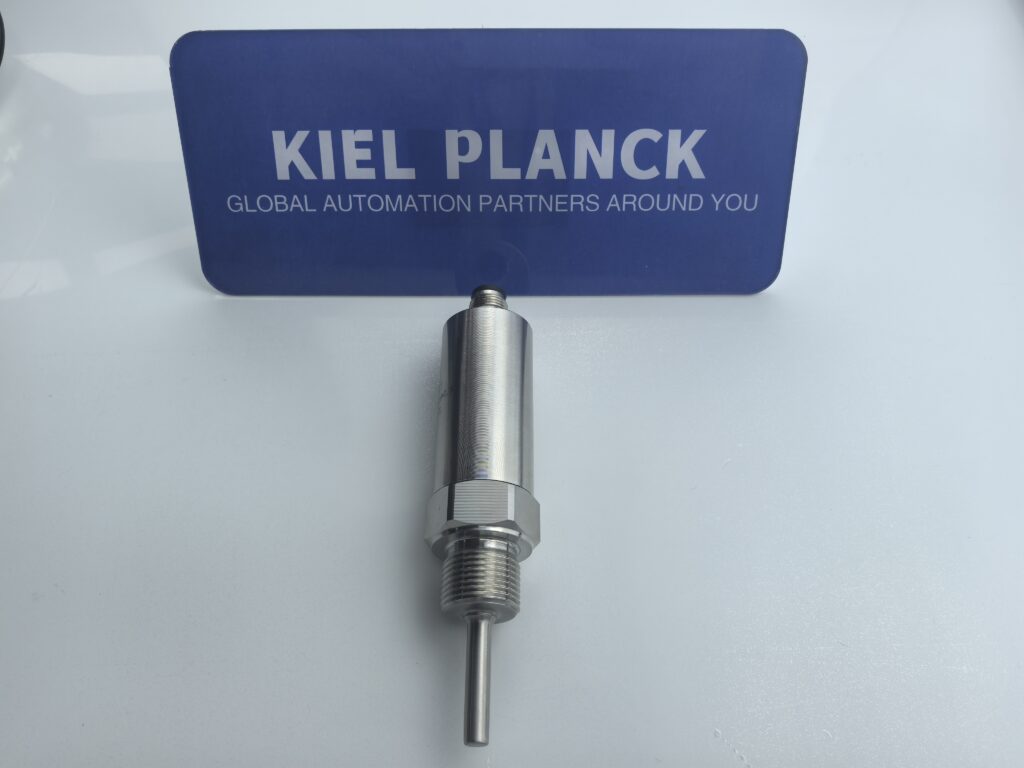
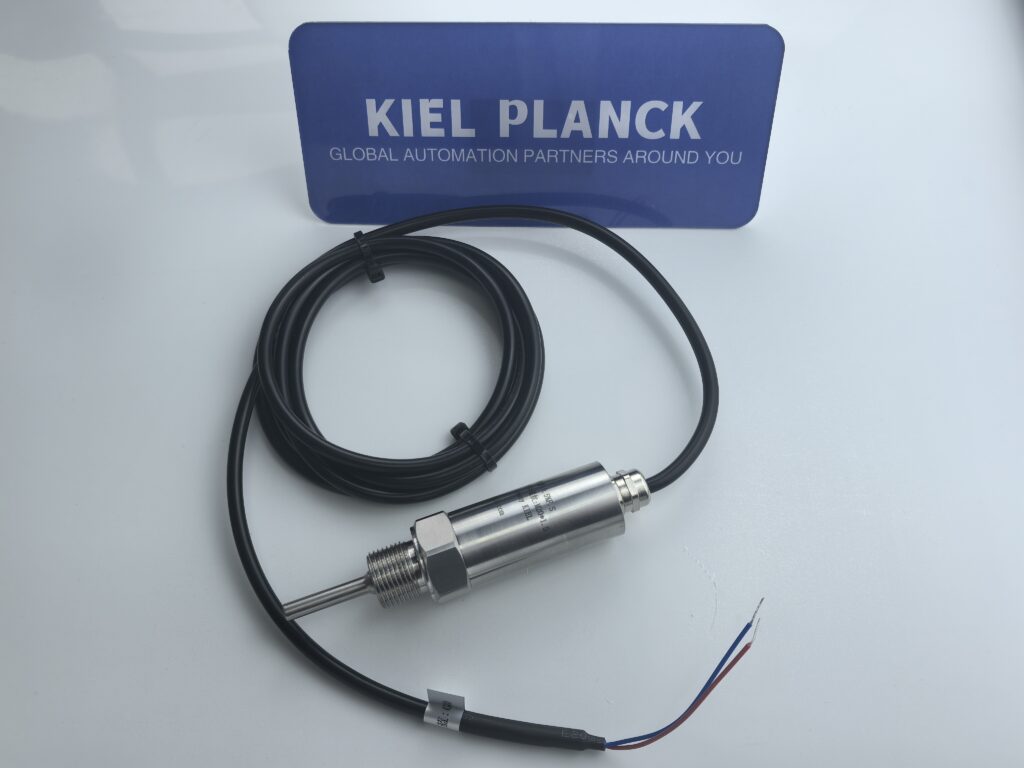
I. Main Types of Temperature Transmitters
1. Classification by Sensor Type
(1) Thermocouple Temperature Transmitter
· Working Principle: Based on the thermoelectric effect, it converts the temperature difference into a thermoelectric potential, and then converts it into a standard output signal after cold junction compensation and signal processing.
· Features: Wide measurement range (approximately -200℃ to 1800℃), fast response speed, suitable for high-temperature environments, but requires cold junction compensation.
· Common Types: K-type (-200℃ to 1320℃), E-type (-200℃ to 1000℃), J-type (-200℃ to 1200℃), S-type (-50℃ to 1700℃), etc.
(2) Resistance Temperature Transmitter
· Working Principle: Utilizes the characteristic that the resistance value of metal or semiconductor materials changes with temperature, converting the resistance change into a standard output signal.
· Features: High accuracy in medium and low temperature measurements (-200℃~850℃), good stability, high linearity, no need for cold junction compensation, but lead resistance will affect the measurement results.
· Common types: PT100 (-200℃~850℃), CU50 (-50℃~150℃), CU100 (-50℃~150℃)
(3) Thermistor temperature transmitter
· Working principle: Utilizes the characteristic of the resistance value of semiconductor materials changing with temperature for temperature measurement
· Features: Suitable for low temperature environments, low cost, but relatively poor accuracy and stability, generally used in occasions where high accuracy is not required.
(4) Infrared Temperature Transmitter
· Working Principle: Measures temperature by detecting the infrared radiation temperature of an object’s surface
· Features: Non-contact measurement, suitable for measuring moving or high-temperature objects, but greatly affected by the object’s emissivity and the environment
(5) Differential Temperature Transmitter
· Working Principle: Indirectly measures temperature by measuring the pressure difference generated by the temperature difference
· Features: Suitable for temperature difference measurement in specific situations, such as heat exchanger efficiency monitoring
2. Classification by Functional Characteristics
(1) Traditional Temperature Transmitter
· Features: Range is adjusted by zero and full-scale potentiometers; simple structure, low cost, but easily affected by the environment, resulting in poor accuracy and stability
(2) Intelligent Temperature Transmitter
· Features: Supports communication protocols such as HART, Modbus, and Profibus; enables remote parameter setting, variable monitoring, and calibration; high accuracy (±0.05%) and good stability
· Advantages: It can be remotely managed via handheld device or PC, has self-diagnostic function, and reduces on-site maintenance workload.
(3) Isolated temperature transmitter
Features: Electrical isolation between input and output (isolation voltage ≥ 500V), strong anti-common-mode interference capability, suitable for computer networking.
· Advantages: Stable operation in harsh electromagnetic environments, high signal transmission reliability.
(4) Digital display temperature transmitter
· Features: Integrated display unit, can display temperature values on site, convenient for operators to monitor intuitively.
· Advantages: No need for additional display instruments, simplifies system structure, and reduces maintenance costs.
II. Selection points for temperature transmitters
1. Measurement range and accuracy requirements
· Measurement range: Transmitters with a range covering the actual measurement range and leaving a margin should be selected to avoid working under extreme conditions.
· Accuracy class: In industrial sites, ±0.5%FS or ±0.2%FS accuracy is generally selected; in laboratories or high-precision applications, ±0.1%FS or higher accuracy should be selected.
· Tip: Higher accuracy means higher cost. Selection should be based on actual needs to avoid over-investment.
2. Sensor type selection
· High-temperature environments (>800℃): Thermocouple-type transmitters (such as Type S and Type B) are preferred.
Medium-low temperature environments (-200℃~850℃): Resistance temperature detector (RTD) transmitters (PT100, CU50) are preferred.
Special environments: Corrosive environments require sensors made of corrosion-resistant materials; vibration-resistant environments require sensors with shock resistance.
3. Environmental adaptability considerations
Temperature range: The transmitter’s operating temperature should be compatible with the installation environment temperature (-40℃~85℃ is a common range).
Protection Rating: IP65 or higher protection rating for humid environments; corrosion-resistant housing for corrosive environments.
* Explosion-proof Requirements: Explosion-proof certified products (ATEX, IECEx) must be selected for hazardous areas (such as chemical plants).
4. Output Signal Type Selection
* 4-20mA Current Signal: Strong anti-interference capability, suitable for long-distance transmission (>100 meters), most commonly used in industrial sites.
* 0-5V/0-10V Voltage Signal: Suitable for short-distance transmission (<50 meters), attention should be paid to signal attenuation.
* Digital Signal (HART/Modbus/Profibus): Suitable for systems requiring remote monitoring and data management.
5. Installation Method Selection
* Integrated Installation: Directly installed in the thermocouple/RTD junction box, saving space and reducing lead wire errors.
* DIN Rail Installation: 35mm standard DIN rail installation, convenient for centralized management, suitable for installation in control cabinets.
* Wall-mounted Installation: Suitable for specific occasions, flexible installation.
6. System Compatibility and Certification
* Communication Protocol: Ensure the transmitter’s communication protocol is compatible with the control system (PLC/DCS).
• Certification Requirements: Special industries (such as pharmaceuticals and food) must comply with GMP and other certification requirements.
• Safety Certification: Products with appropriate explosion-proof certification must be selected for hazardous areas.
III. Typical Application Scenarios and Selection Recommendations
1. Industrial Production Process Monitoring
* Applications: Temperature monitoring of chemical reactors, oil pipelines, power equipment, etc.
* Selection Recommendations: Select thermocouple or resistance temperature detector (RTD) transmitters, 4-20mA output, IP65 protection rating. Choose the appropriate sensor type based on the temperature range.
* Case Study: Temperature monitoring of chemical plant reactors; select a K-type thermocouple transmitter, range 0-1000℃, accuracy ±0.2%FS.
2. Energy Management and Boiler Monitoring
* Applications: Boiler pipeline temperature monitoring for energy efficiency optimization.
* Selection Recommendations: Select a resistance temperature detector (PT100), 4-20mA output, wide temperature range (-50℃~500℃).
* Case Study: Temperature monitoring of power plant boilers; select a PT100 RTD transmitter, range 0-500℃, accuracy ±0.1%FS.
3. Pharmaceutical and Food Industries
* Applications: Temperature control in sterilizers, cold storage, fermenters, etc.
• Selection Recommendation: Choose a high-precision resistance temperature detector (RTD) transmitter (PT100), compliant with GMP certification, with digital communication for easy data traceability.
• Case Study: For pharmaceutical freeze-drying processes, select a PT100 transmitter with an accuracy of ±0.1℃ and a range of -50℃ to 100℃.
4. Environmental Testing and Extreme Conditions
• Applications: High and low temperature chambers, environmental simulation chambers, etc.
• Selection Recommendation: Choose a wide temperature range transmitter (-200℃ to 850℃) with high stability (annual drift ≤0.1℃).
• Case Study: High and low temperature test chambers in automotive factories, select a PT100 transmitter with a range of -70℃ to 180℃ and an accuracy of ±0.15℃.
IV. Common Selection Misconceptions and Avoidance Guidelines
1. Focusing solely on accuracy while neglecting environmental adaptability: High-precision transmitters may perform poorly in harsh environments; environmental adaptability should be prioritized.
2. Ignoring long-term stability: Choose products with an annual stability of ≤0.1% to reduce calibration frequency and maintenance costs.
3. Ignoring system compatibility: Ensure the transmitter output signal matches the control system to avoid signal conversion problems.
4. Underestimating the impact of installation method: Integrated installation can reduce lead wire errors and improve measurement accuracy.
5. Ignoring certification requirements: In hazardous areas, products with appropriate explosion-proof certification must be selected to avoid safety hazards.
Practical Selection Tips: While meeting process requirements, prioritize products with 4-20mA output, resistance temperature detector (PT100) type, IP65 protection rating, and ±0.2%FS accuracy. These transmitters offer good cost-effectiveness and reliability in most industrial scenarios. For special applications, adjust the selection parameters according to specific needs.
Add me as a friend to learn more.