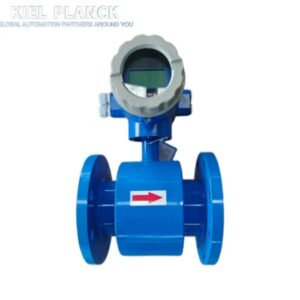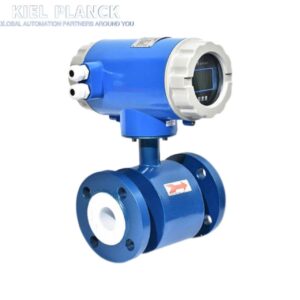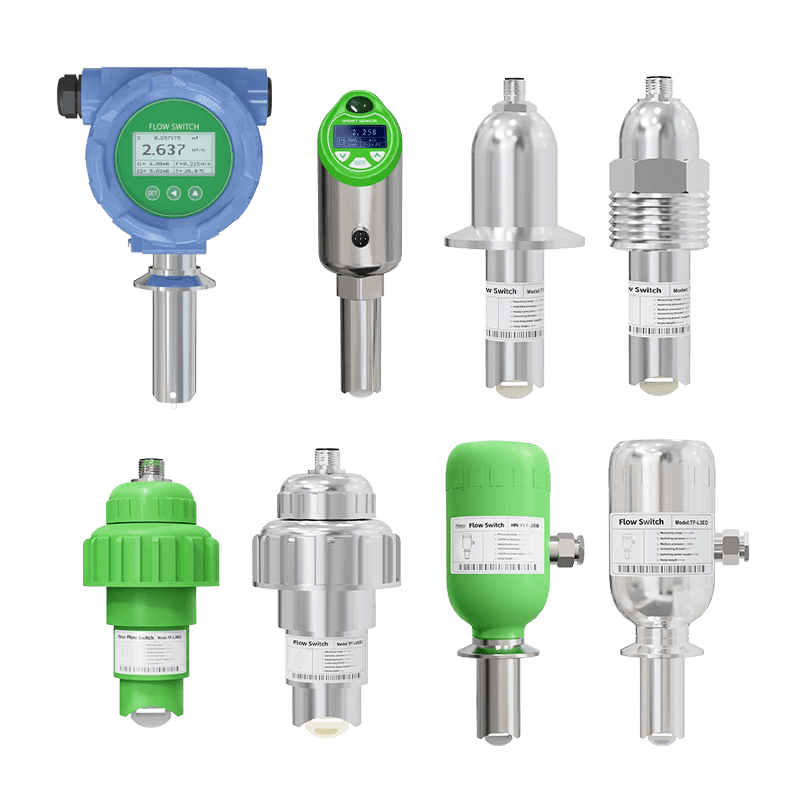
By standardizing the selection and installation of electromagnetic flowmeters, stabilizing on-site operating conditions, and implementing meticulous regular maintenance and hazard identification, the service life and accurate and stable measurement can be maximized. This effectively delays component aging, reduces failure losses, significantly extends equipment lifespan, lowers maintenance costs, and ensures reliable metering in industrial production.
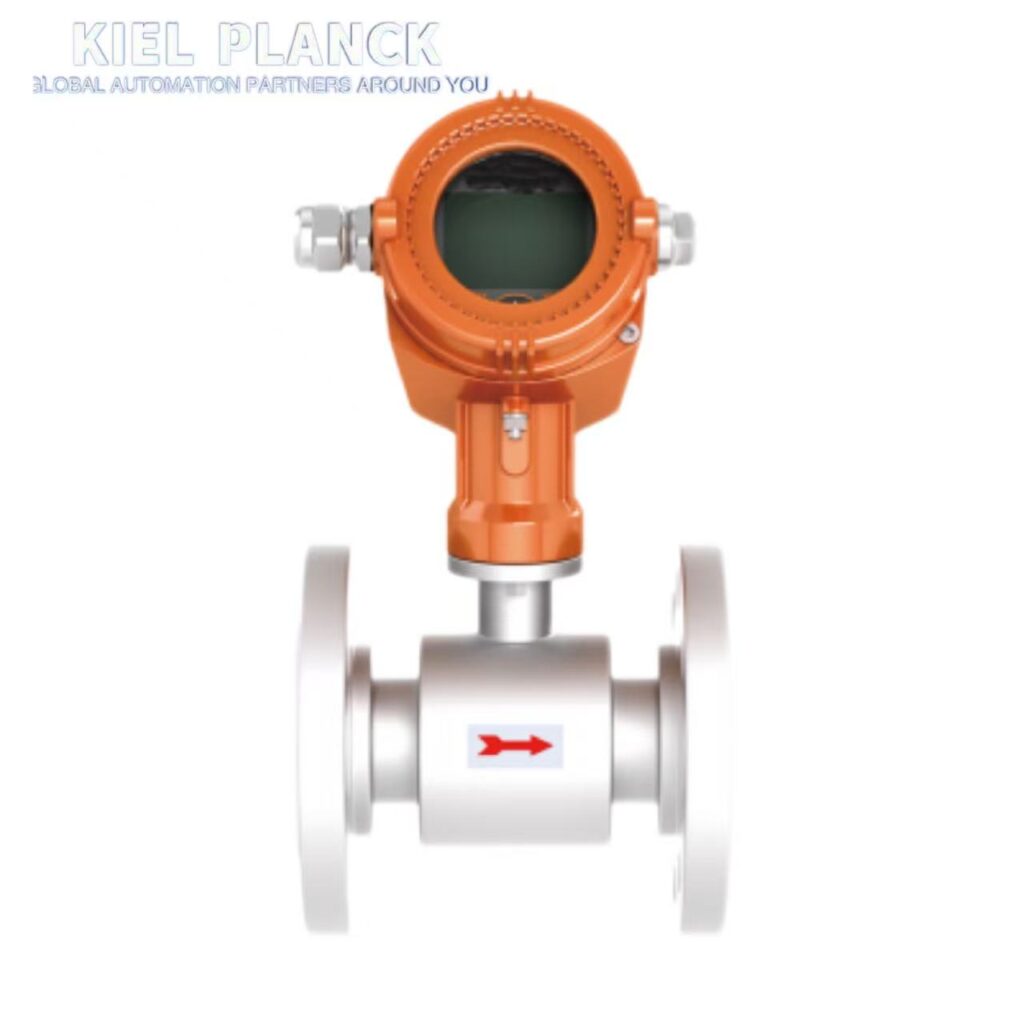
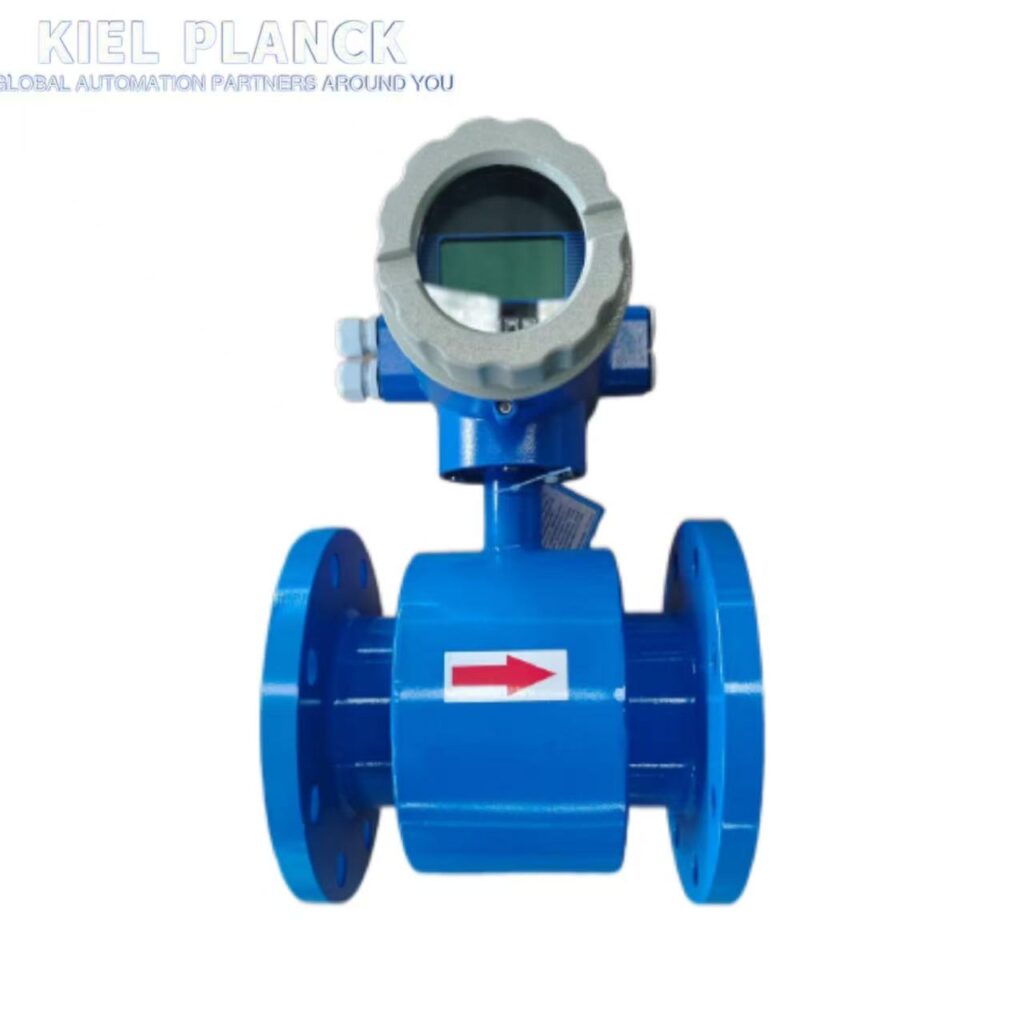
Electromagnetic flowmeters are core precision instruments for industrial fluid measurement, widely used in flow monitoring and energy consumption statistics in industries such as wastewater treatment, chemical engineering, water conservancy, light industry, and food processing. They have no moving mechanical parts, offer high measurement accuracy, and are widely adaptable. However, core components such as electrodes, linings, and signal lines are susceptible to environmental conditions, media characteristics, and maintenance methods, leading to aging, corrosion, scaling, and signal anomalies, directly shortening the equipment’s lifespan. To maximize the service life of electromagnetic flowmeters, ensure long-term stable and precise operation, and reduce equipment replacement and maintenance costs, standardized management is needed in four key areas: selection and installation, operating condition control, daily maintenance, and hazard prevention.
Scientific selection and standardized installation are fundamental prerequisites for extending the service life of electromagnetic flowmeters. During the equipment selection phase, it is crucial to strictly match the actual on-site operating conditions, selecting based on parameters such as media conductivity, operating temperature, pipeline pressure, and fluid velocity, avoiding problems such as overloading of small-sized instruments and parameter mismatch.
For corrosive, impurity-containing, and abrasive media, appropriate electrode materials and anti-corrosion linings must be selected to prevent long-term corrosion and erosion damage to core components. During installation, strict adherence to installation specifications is crucial. Installation locations should be chosen in areas free from severe vibration and strong electromagnetic interference, and in well-ventilated, dry conditions. Proper vibration damping and securing of the instrument are essential to avoid damage to the instrument body caused by pipeline tensile stress. Simultaneously, a standardized grounding system must be implemented to ensure adequate grounding resistance, preventing electromagnetic interference that could lead to signal module aging and circuit failures, thus ensuring a solid foundation for equipment operation from the outset.
Stable and standardized operating conditions are key to reducing instrument wear and delaying equipment aging. During daily production operations, the flowmeter’s measuring pipeline must be kept in a full-pipe state, avoiding prolonged half-pipe or empty-pipe operation to prevent oxidation and moisture damage to the electrodes from prolonged exposure to air. Furthermore, fluid conditions must be optimized to reduce the accumulation of air bubbles, solid impurities, and flocculent matter in the medium, preventing continuous fluid impact and friction against the electrodes and lining, thus preventing lining wear and detachment, electrode scaling and passivation, and fundamentally reducing physical wear and measurement malfunctions. Furthermore, it is essential to prevent instruments from operating at excessive temperatures, pressures, or flow rates for extended periods. Operating parameters must be strictly controlled within the instrument’s rated operating range to avoid accelerated aging and failure of core components due to overload.Regular and meticulous maintenance is crucial for extending equipment lifespan. Enterprises need to establish a regular inspection and maintenance mechanism, periodically checking the integrity of instrument power supply lines and signal cables, tightening loose terminals, and investigating potential problems such as moisture damage, insulation aging, and loose connections/open circuits to prevent electrical faults from burning out converters and signal modules. For media prone to scaling, regularly clean and descale the measuring electrodes, removing sludge, scale, and crystalline impurities from their surfaces to ensure normal signal transmission and prevent permanent electrode damage from long-term scaling and corrosion. Simultaneously, regularly verify instrument operating parameters, calibrate measurement accuracy, and promptly investigate and address anomalies such as data fluctuations, zeroing, and inaccuracies to prevent minor faults from escalating into irreversible equipment damage.Taking preventative measures and avoiding common malfunctions in advance can effectively improve the stability and lifespan of instruments. Most premature aging and failures of electromagnetic flowmeters stem from neglecting long-term attention to detail, such as poor grounding, electrode corrosion, lining damage, damp wiring, and erratic operating conditions. Standardized selection and installation, stable operation, and regular maintenance and troubleshooting can effectively prevent various common malfunctions, significantly slow down the aging of equipment components, and reduce unnecessary equipment wear and tear. In summary, comprehensive and systematic management and maintenance can not only effectively extend the service life of electromagnetic flowmeters and reduce equipment maintenance and replacement costs, but also continuously ensure stable flow precision measurement, providing reliable data support for industrial production process control, energy consumption accounting, and safe production.