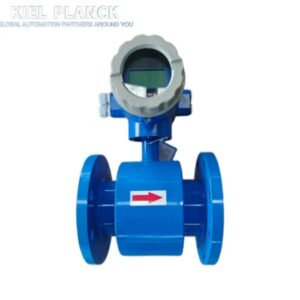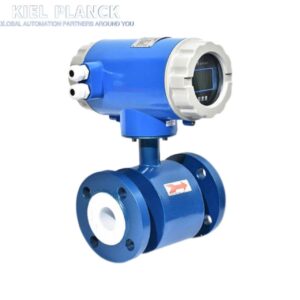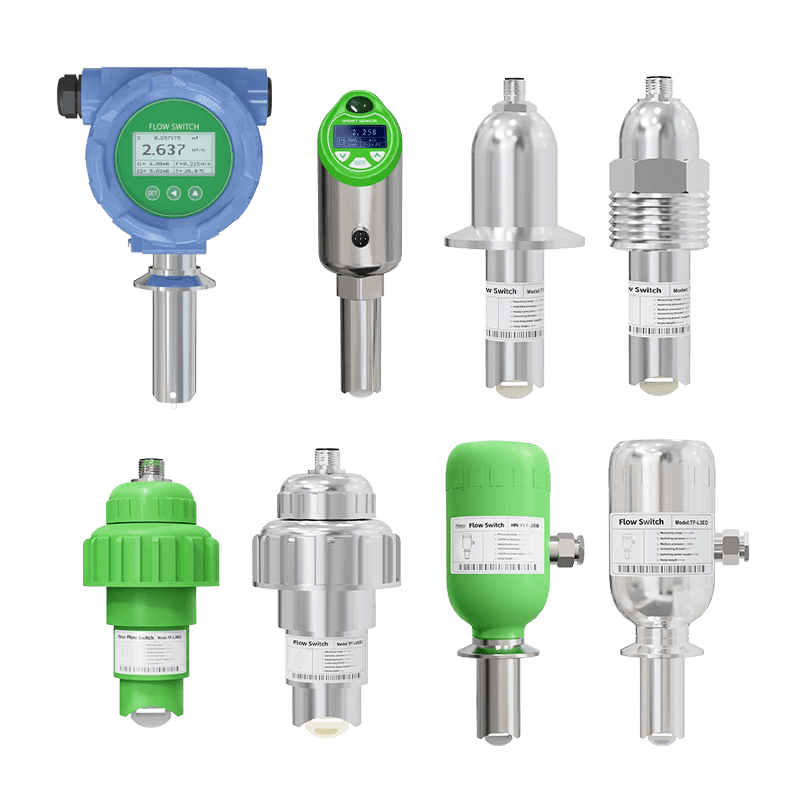
Liquid level switches are indispensable key equipment in industrial automation control. They achieve automatic control by accurately monitoring the liquid level and are widely used in petrochemical, water treatment, food and pharmaceutical fields. Their correct selection, installation and maintenance are directly related to production safety and efficiency.
I. Core Types and Working Principles of Liquid Level Switches
1. Contact Type Liquid Level Switches
• Applicable Scenarios: Finished oil tank areas, solid particulate materials.
• Conductive (Electrode Type) Level Switch
• Working Principle: Utilizes the conductivity of liquid; the circuit is completed when the liquid contacts the electrode.
• Features: Only suitable for conductive liquids (such as water), not suitable for oils or insulating liquids; low cost but easily affected by contamination.
• 2. Non-Contact Level Switch
• Ultrasonic Level Switch
• Working Principle: Emits ultrasonic waves and receives the echo reflected from the liquid surface; the liquid level is calculated based on the time difference or intensity change.
• Features: Non-contact; suitable for high-temperature, corrosive, or viscous liquids, but affected by temperature; response is slow at high temperatures.
• Applicable Scenarios: High-risk media such as crude oil storage tanks, fuel oil storage tanks, and sludge oil storage tanks.
• Photoelectric Level Switch
• Working Principle: Utilizes the difference in refractive index of infrared light in liquids and air; changes in the light signal are detected by a receiver.
Features: Fast response and high precision; suitable for small-volume containers or transparent liquids, but not suitable for frozen liquids and crystallizing liquids.
• External Level Switch
• Working Principle: A non-contact instrument that detects liquid level from outside the tank, using changes in the residual vibration signal of ultrasonic waves within the container wall to determine the liquid level.
• Features: No need for openings, safe and reliable, not limited by medium pressure, temperature, density, etc., but requires high-quality tank material (must be a rigid material).
• Applicable Scenarios: Toxic, corrosive, pressurized, flammable, explosive, volatile, and easily leaking liquids.
• II. Key Considerations for Level Switch Selection
• 1. Matching Media Characteristics
• Corrosive Liquids: Capacitive, ultrasonic, or external level switches are preferred.
• High Viscosity Liquids: Avoid float switches; vibration or ultrasonic switches are acceptable.
• Conductivity Requirements: Electrode switches can be used for conductive liquids; other types are required for non-conductive liquids.
• Temperature and Pressure: Ultrasonic or capacitive switches are preferred for high-temperature and high-pressure environments.
• 2. Application Scenarios
• Tank Safety Monitoring: High or low level switches need to be integrated into interlocking circuits; ultrasonic level switches are suitable due to their non-contact installation.
• High Hygiene Requirements: Food and pharmaceutical industries require photoelectric or external measuring types that meet hygiene standards.
• Wastewater Environment: Float-type or tuning fork-type switches are more suitable because they have lower requirements for the medium.
3. Technical Parameter Confirmation
• Measurement Range: Determine the range of liquid level changes and select an appropriate range.
• Output Signal: Confirm whether a switch signal, 4-20mA, or RS485 is required.
• Process Connection: Threaded, flanged, or clamped connections must be compatible with the site conditions.
• Protection Rating: Outdoor applications require IP65 or higher; explosion-proof environments require Ex certification.
• III. Professional Installation Guide 1. Installation Location Selection
• Avoid Interference Areas: Keep away from inlet, outlet, and stirring areas to prevent false triggering due to liquid fluctuations.
• Correct Height: Determine the installation height based on control requirements. For float-type systems, ensure the float can float freely.
• Direction Requirements: Float-type systems should be installed vertically; for tuning fork systems, the fork surface should be aligned with the direction of liquid rise and fall.
• 2. Installation Procedure Specifications
• Hole Preparation: Drill holes according to the dimensions in the instruction manual, ensuring a size match.
• Fixed Installation: Use flanges or threads for fixing, ensuring a tight seal. · 3. Key Points for Debugging
· Functional Testing: Simulate actual operating conditions to test sensitivity and reliability.
· Setpoint Adjustment: Adjust the liquid level setpoint according to actual needs.
· Signal Verification: Confirm that the liquid level switch triggers accurately at the set liquid level.
Float Type Liquid Level Switch
* Working Principle: A float rises and falls with the liquid level, triggering the switch action via an internal magnetic element or mechanical structure.<sup>1</sup>
* Features: Simple structure, low cost, suitable for low-viscosity liquids such as clean water and oil, but not suitable for high-viscosity liquids (cannot work when viscosity > 0.8 MPa*s).
* Applicable Scenarios: Conventional liquid containers such as water tanks, oil tanks, and sewage pools.
* Capacitive Type Liquid Level Switch
* Working Principle: Liquid level is determined by detecting changes in capacitance between the electrode and the liquid. The difference in dielectric constant between the liquid and air causes a change in capacitance.<sup>1</sup>
* Features: No moving parts, suitable for corrosive liquids and high-pressure environments, but calibration is difficult, accuracy is poor, and a dielectric constant > 22 is required.
IV. Maintenance and Troubleshooting
· 1. Daily Maintenance
· Regular Inspection: Check wiring, installation, and level calibration to ensure they are in good working order.
· Cleaning and Maintenance: Regularly clean the sensor surface to prevent dust and oil buildup.
· Water and Moisture Protection: Ensure good waterproof performance to prevent short circuits caused by moisture or water ingress.
· Battery Replacement: Replace batteries regularly for level switches that require battery power.
· 2. Common Faults and Solutions
· Switch Malfunction:
· No Signal Output:
· Malfunction:
· Signal Holding Unrecoverable:
· V. Safety Precautions
· Safety Protection: In corrosive or hazardous liquid environments, select switches with high protection ratings.
· Environmental Adaptability: Consider the impact of temperature, pressure, etc., on switch performance.
· Regular Calibration: After prolonged use, perform regular calibration to ensure accuracy.
• Explosion-proof requirements: Select explosion-proof type (e.g., Ex d or Ex ia certified) for flammable and explosive environments.
• Electrical matching: Ensure the power supply voltage matches the switch rating to avoid overload.
As a key component of industrial automation control, the correct selection, standardized installation, and regular maintenance of level switches are fundamental to ensuring the safe and stable operation of the system. By understanding the working principles and applicable scenarios of different types of level switches, and making scientific selections based on actual application needs, system reliability can be significantly improved, maintenance costs reduced, and production safety guaranteed.
* Applicable Scenarios: Corrosive media such as chemical storage tanks and acid/alkali solutions.<sup>3</sup>
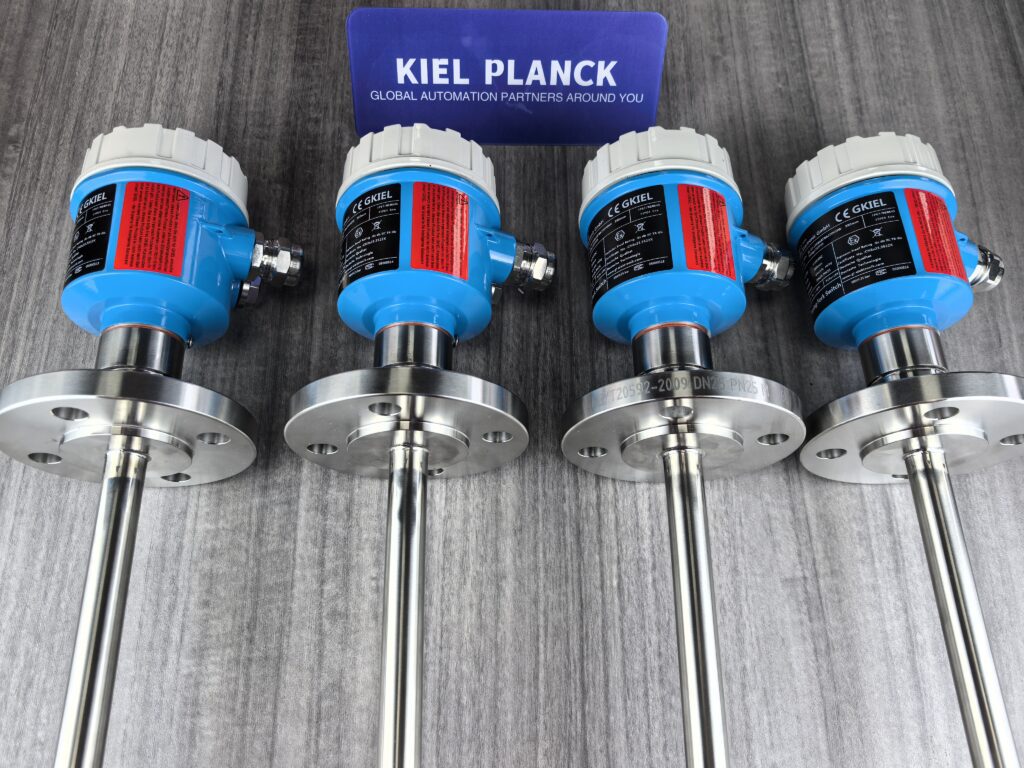
• Tuning fork (vibration) level switch
• Working principle: The tuning fork vibrates at its natural frequency. When the liquid level covers the tuning fork, the vibration damping increases, and the frequency change triggers the switch.
• Features: Unaffected by foam or bubbles, suitable for powder or granular media, but not suitable for high-viscosity media (viscosity > 1000 m²/s).
Please contact us promptly if needed.