
Why is a single-crystal silicon pressure transmitter called a single-crystal silicon transmitter?
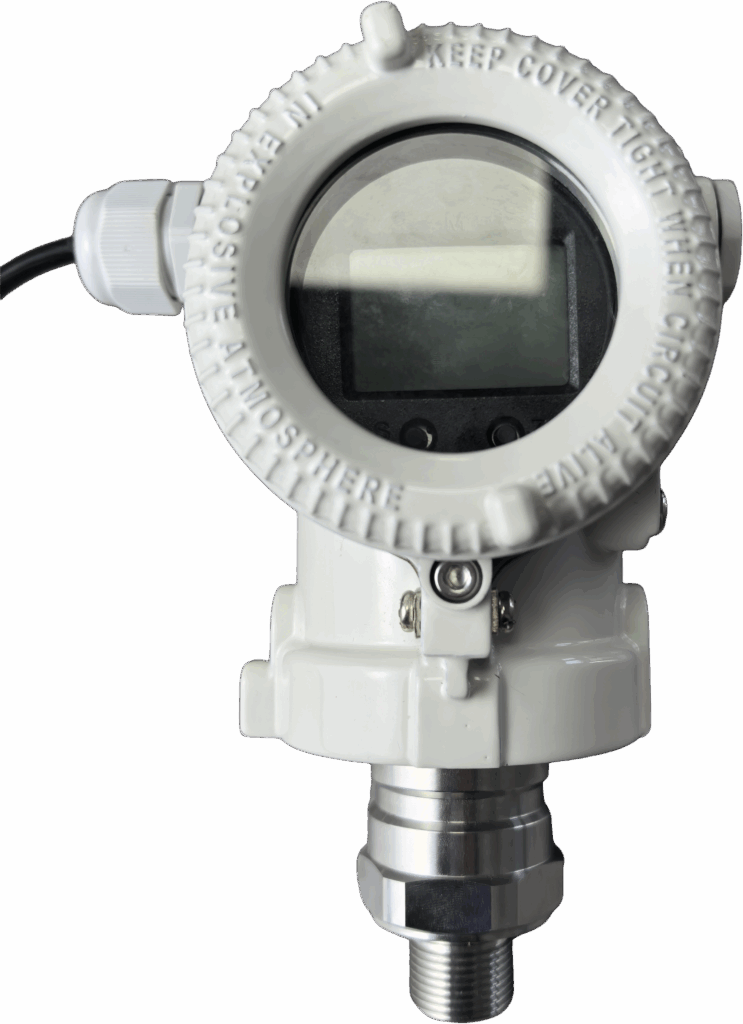
The reason why a single-crystal silicon pressure transmitter is called “single-crystal silicon” is that its core sensing element is made of single-crystal silicon material, which has a unique crystal structure and excellent physical properties.
What are the characteristics of a single-crystal silicon pressure transmitter?
With its core features such as high precision, high stability, and strong anti-interference capability, the monocrystalline silicon pressure transmitter has become the preferred equipment for high-end pressure measurement in the field of industrial automation, and is especially suitable for critical application scenarios with extremely high requirements for measurement accuracy and reliability.
What is a monocrystalline silicon pressure transmitter?
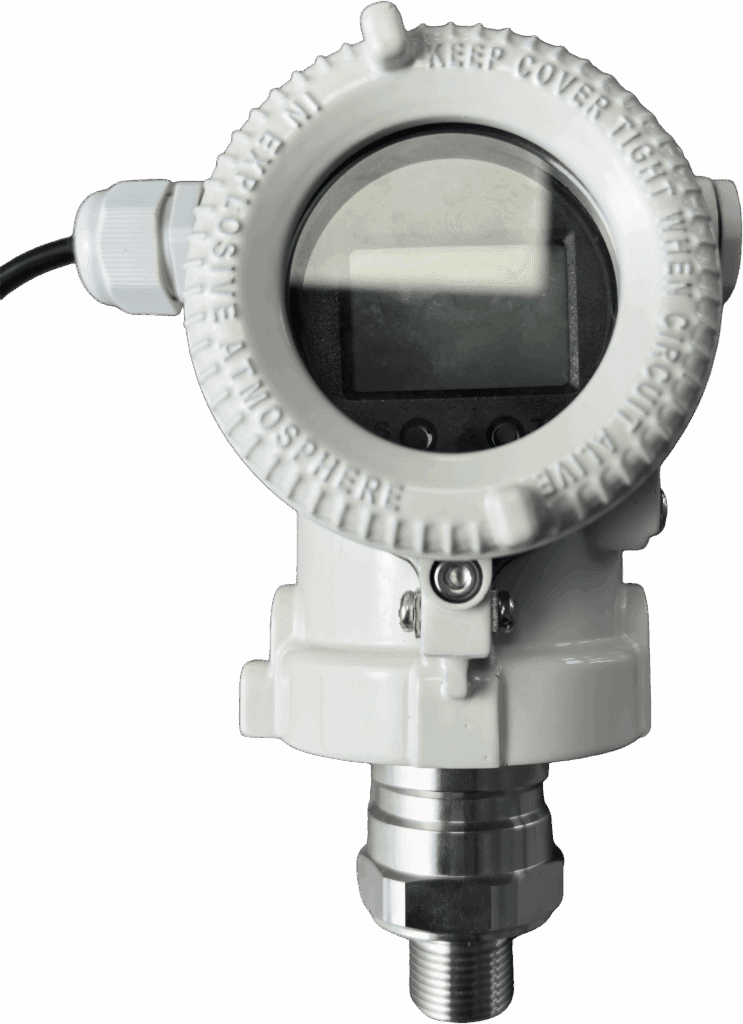
The single-crystal silicon pressure transmitter is a high-precision, high-stability industrial sensor primarily used to measure the pressure, level, and density of liquids, gases, or vapors, converting these measurements into a standard 4-20mA HART current signal output.
Why are intelligent pressure transmitters inaccurate?
The main reasons why intelligent pressure transmitters fail to deliver accurate pressure can be summarized into four categories: problems with the sensor itself, installation and environmental factors, signal transmission and processing issues, and insufficient maintenance and calibration.
Metrological verification of pressure transmitters
The metrological verification of pressure transmitters is a crucial step in ensuring the accuracy of industrial process control. This requires standardized verification procedures and methods.
Current Status and Development Trends of Intelligent Pressure
Intelligent pressure transmitters are entering a new stage characterized by high precision, intelligence, wireless edge computing, and scenario customization.

