

What are the characteristics of a single-crystal silicon pressure transmitter? - Kiel Planck
  • Home
        • New Product

          What are the characteristics of a single-crystal silicon pressure transmitter? - Kiel Planck

          There is a solution for every application. Let’s work together to find the right solution for you.

          Your benefits

          We use our experience to move your project forward.

          PHONE: 400-8868-261

          E-mail: info@kielplanckprc.com / kielplanck@outlook.com

  • Application
  • Service
  • Brand
  • Blog
  • Contact Us

What are the characteristics of a single-crystal silicon pressure transmitter?

What are the characteristics of a single-crystal silicon pressure transmitter?

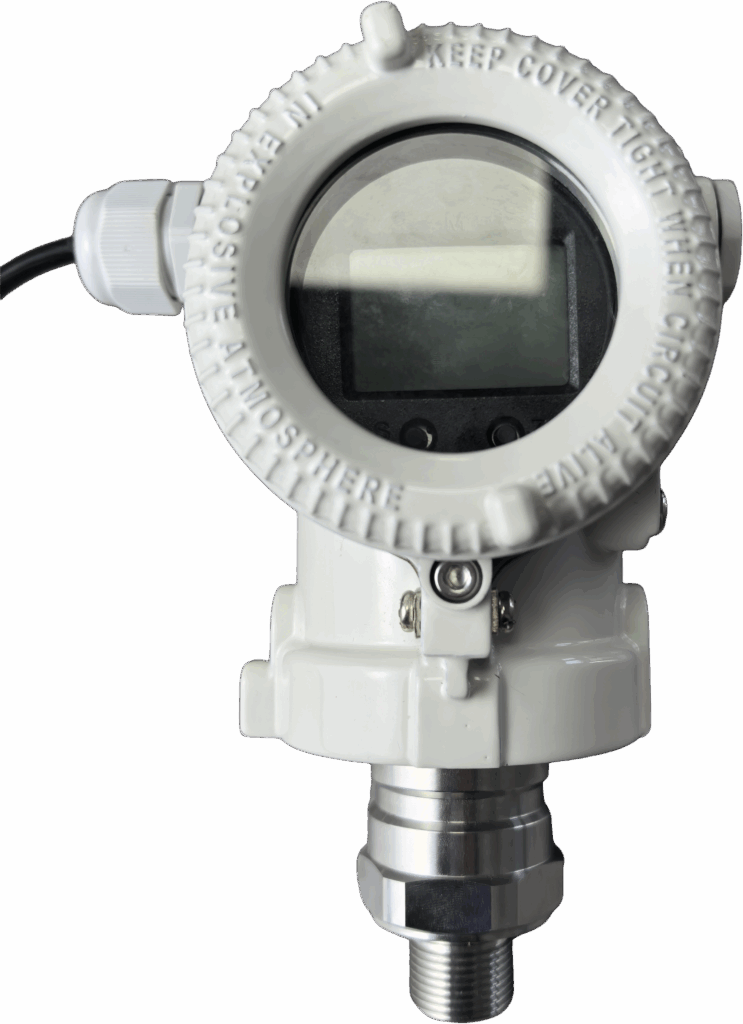
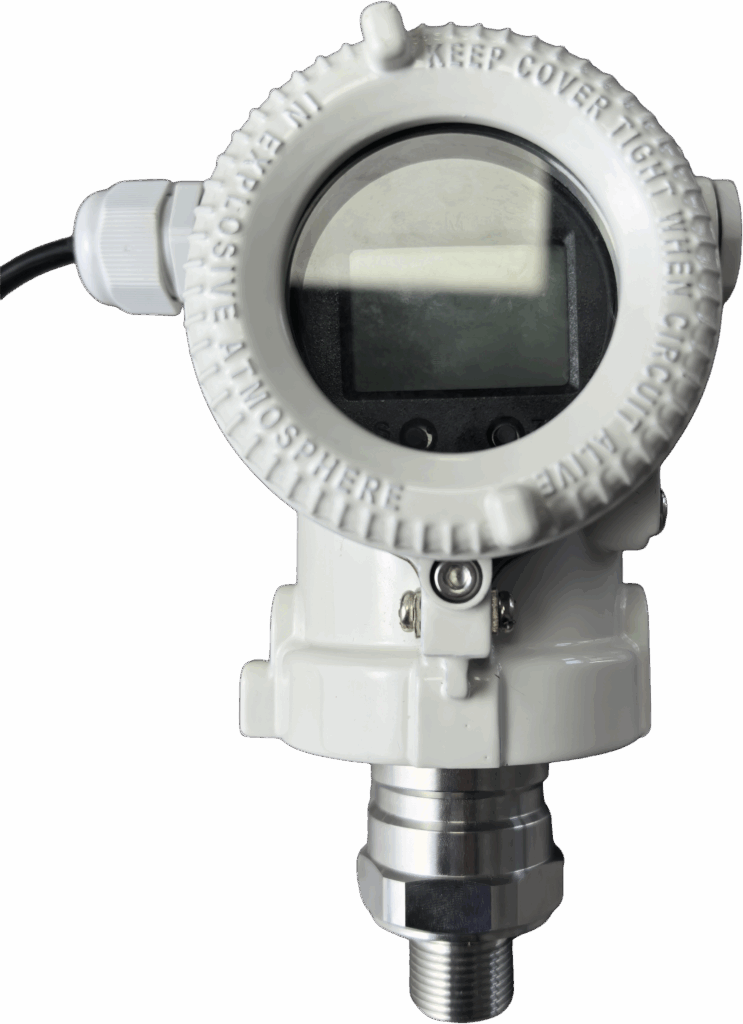
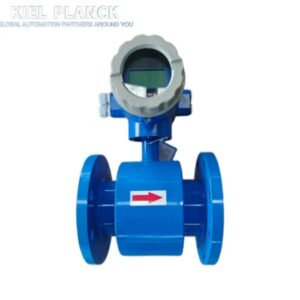
With its core features such as high precision, high stability, and strong anti-interference capability, the monocrystalline silicon pressure transmitter has become the preferred equipment for high-end pressure measurement in the field of industrial automation, and is especially suitable for critical application scenarios with extremely high requirements for measurement accuracy and reliability.

What are the characteristics of a single-crystal silicon pressure transmitter? - Kiel Planck

I. Core Performance Characteristics

High-precision measurement
Environmental adaptability
Fast response characteristics
II. Structural Design Advantages
Advanced sensing technology
Fully isolated packaging technology
III. Intelligent and Ease of Use Characteristics
Multi-functional display and operation
Advanced communication capabilities
Intelligent function integration
IV. Application Advantages
Wide measurement range coverage
High reliability and safety
Economic advantages
Single-crystal silicon pressure transmitters, with these comprehensive performance advantages, are widely used in fields with extremely high measurement accuracy requirements such as petrochemicals, aerospace, semiconductor manufacturing, and pharmaceutical engineering, becoming an indispensable key component in modern industrial automation systems. Their high precision and high reliability make them irreplaceable in critical process control and safety monitoring systems.

What are the characteristics of a single-crystal silicon pressure transmitter? - Kiel Planck

Add me as a friend to learn more.

What are the characteristics of a single-crystal silicon pressure transmitter? - Kiel Planck

Share:

More Posts

Real-time pH monitoring in aquaculture - Kiel Planck

Real-time pH monitoring in aquaculture

Water quality is the core determinant of aquaculture yield and aquatic organism health, among which pH value serves as one of the most sensitive and critical indicators. Slight fluctuations in water pH can directly affect the respiration, metabolism, and immunity of fish, shrimp and shellfish, and even trigger large-scale disease outbreaks and mortality in severe cases.

Online pH water quality monitoring solution - Kiel Planck

Online pH water quality monitoring solution

pH value is one of the most fundamental and critical indicators in water quality evaluation, reflecting the acidity and alkalinity of water bodies and directly affecting aquatic ecological safety, industrial production efficiency, and sewage discharge compliance. Traditional manual pH detection methods suffer from low efficiency, severe data lag, and human operation errors, which can no longer meet the real-time and high-precision monitoring requirements of modern water environment management and industrial water treatment.

Wastewater pH Sensor Maintenance Techniques - Kiel Planck

Wastewater pH Sensor Maintenance Techniques

pH sensors are core monitoring devices in wastewater treatment systems, responsible for real-time detection of water acidity and alkalinity to support biochemical treatment, chemical dosing and effluent discharge compliance. Unlike conventional water quality sensors, wastewater pH sensors operate in harsh environments with high suspended solids, organic pollutants, corrosive ions and variable water temperatures, making them prone to contamination, electrode aging and data drift. Regular and standardized maintenance is essential to ensure long-term measurement accuracy and stable operation

Method for calculating water pH value - Kiel Planck

Method for calculating water pH value

Water pH value is a vital physicochemical parameter that indicates the acidity or alkalinity of aqueous solutions. It profoundly influences water ecological stability, industrial water treatment efficiency, and drinking water safety. Accurate pH calculation is the fundamental basis for water quality analysis, environmental monitoring, and chemical experimental research. This article elaborates on the basic theoretical principles of water pH calculation and introduces two mainstream practical methods: theoretical formula calculation for pure water and instrument conversion calculation for complex water bodies.

Send Us A Message

captcha
Reload

Bitte geben Sie die im CAPTCHA angezeigten Zeichen ein, um sicherzustellen, dass Sie ein Mensch sind.

Email
Email: info@kielplanckprc.com
WhatsApp
WhatsApp Me