
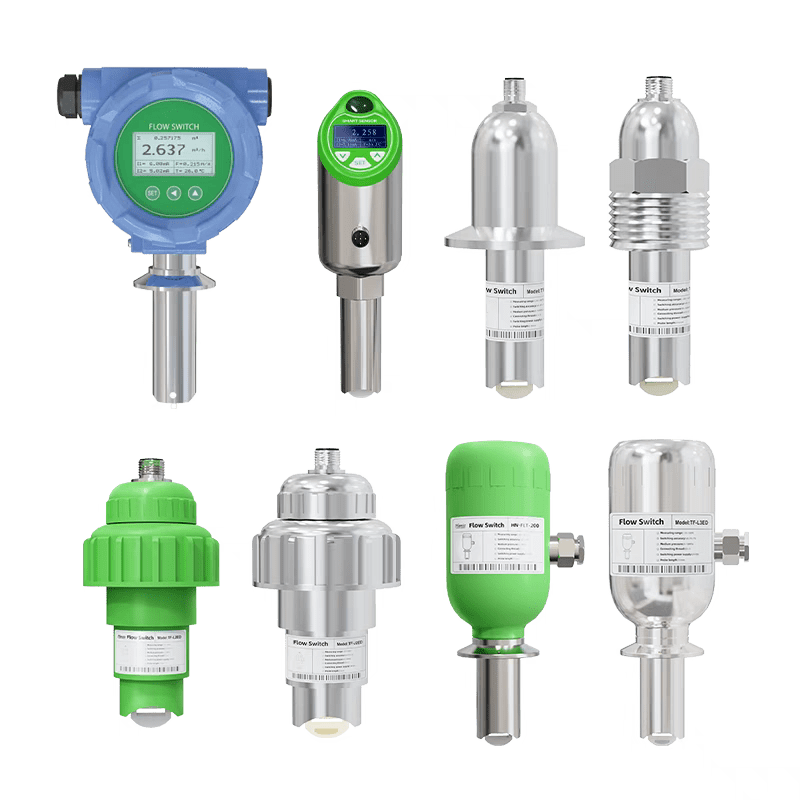
What happens if the selected measurement range is too large?
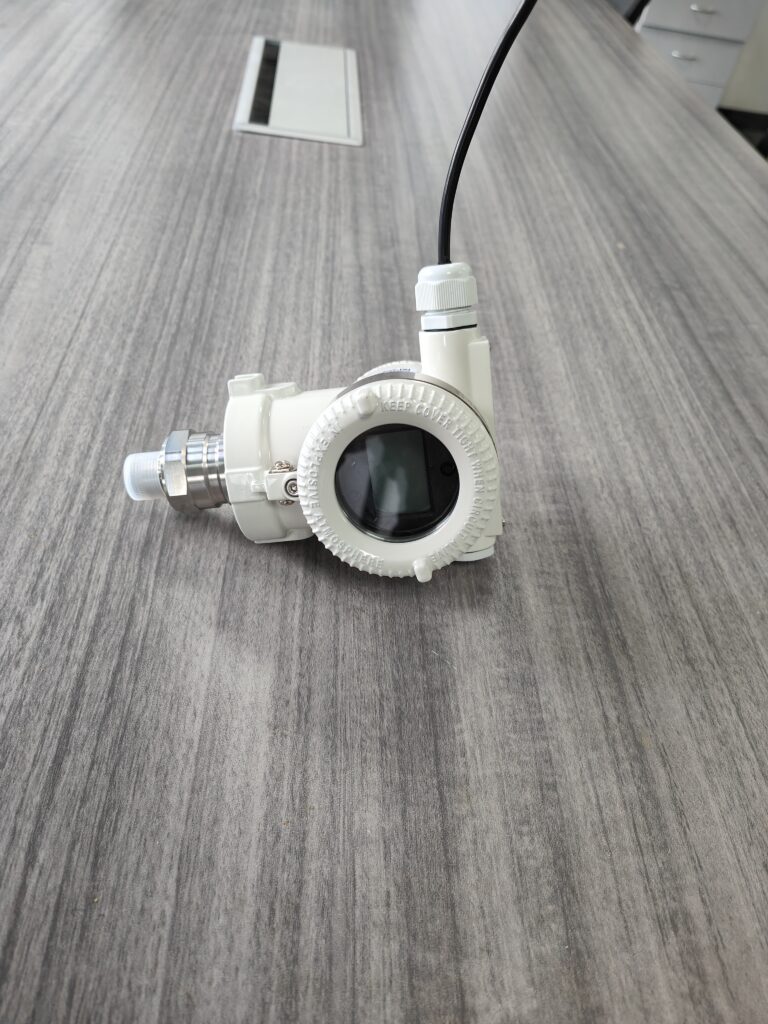
What Happens If You Choose an Excessively Large Range for Pressure Transmitters? Consequences Based on Three Typical Working Conditions
Monocrystalline Silicon vs Diffused Silicon Pressure Transmitters: Do Not Only Compare Accuracy
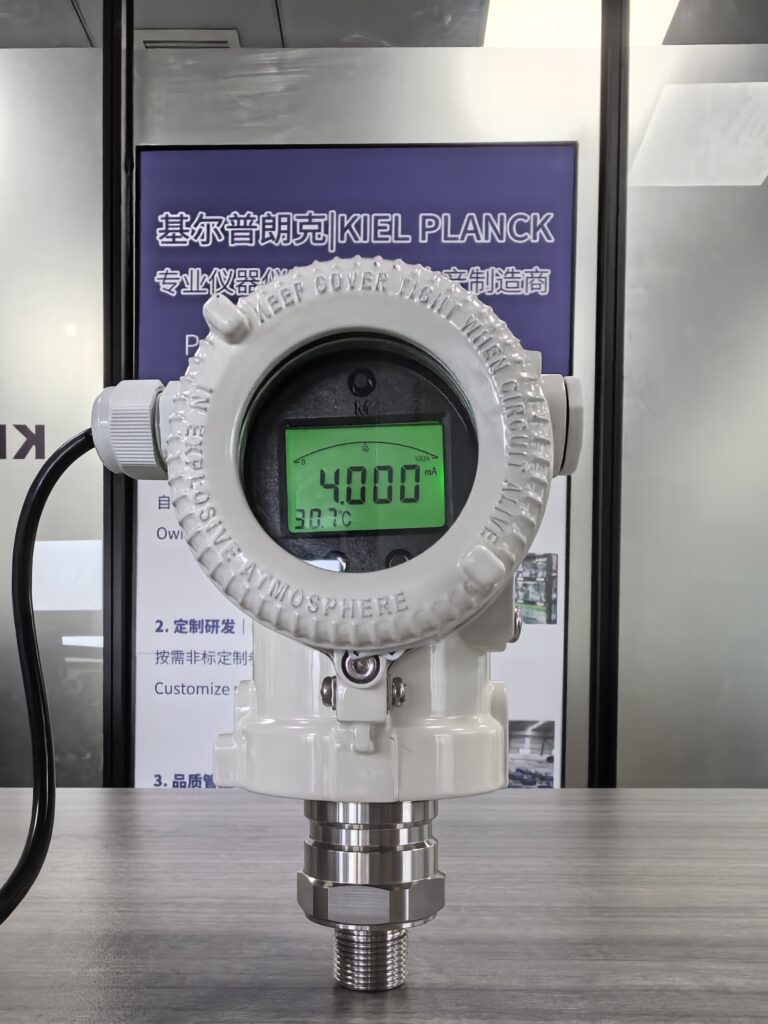
in industrial instrument selection, most users distinguish monocrystalline silicon and diffused silicon pressure transmitters merely by nominal accuracy parameters, ignoring essential differences in sensing principle, temperature stability, long-term drift, overload resistance and turndown ratio.
Once a Year: On-Site Verification Procedures for Transmitter Zero and Span Adjustment
Process transmitters, including pressure, differential pressure and level transmitters, serve as core signal sources for industrial process control systems. Affected by long-term temperature drift, mechanical stress, medium corrosion and aging of electronic components, their zero point and span will gradually deviate after one year of continuous operation, leading to inaccurate process data and biased automatic control.
Starting from October, Essential Tips for Northern Projects: Five Key Details for Pressure Transmitter Winter Freeze Protection
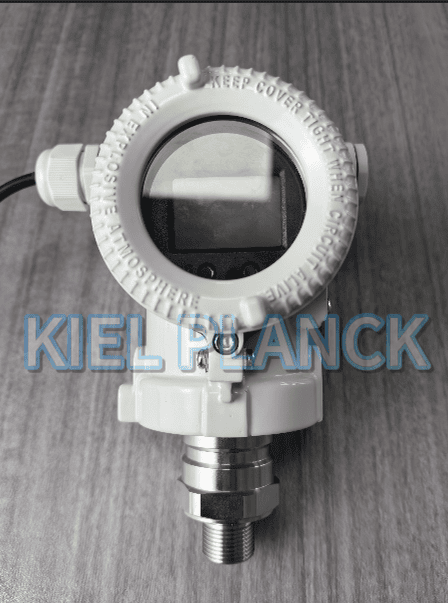
Pressure transmitters deployed in northern industrial sites face severe freezing risks as temperatures drop starting in October. Frozen process media inside impulse pipes, sensor cavities and capillary assemblies often lead to blocked pressure transmission, diaphragm rupture, permanent sensor damage and process interlock failure.
What Questions to Ask Before Purchasing a Pressure Transmitter
Pressure transmitters are foundational measurement instruments widely used in petrochemical, new energy, pharmaceutical and water treatment industries. Improper selection often leads to inaccurate readings, premature corrosion, seal failure and unexpected shutdown losses.

