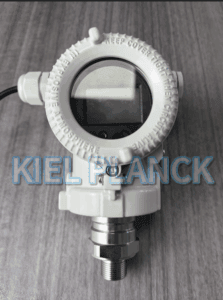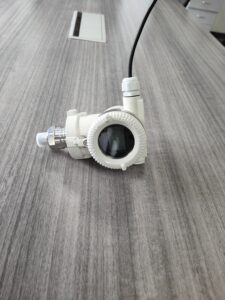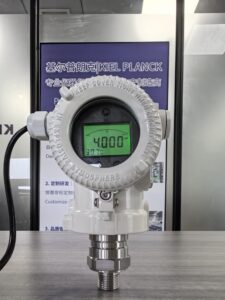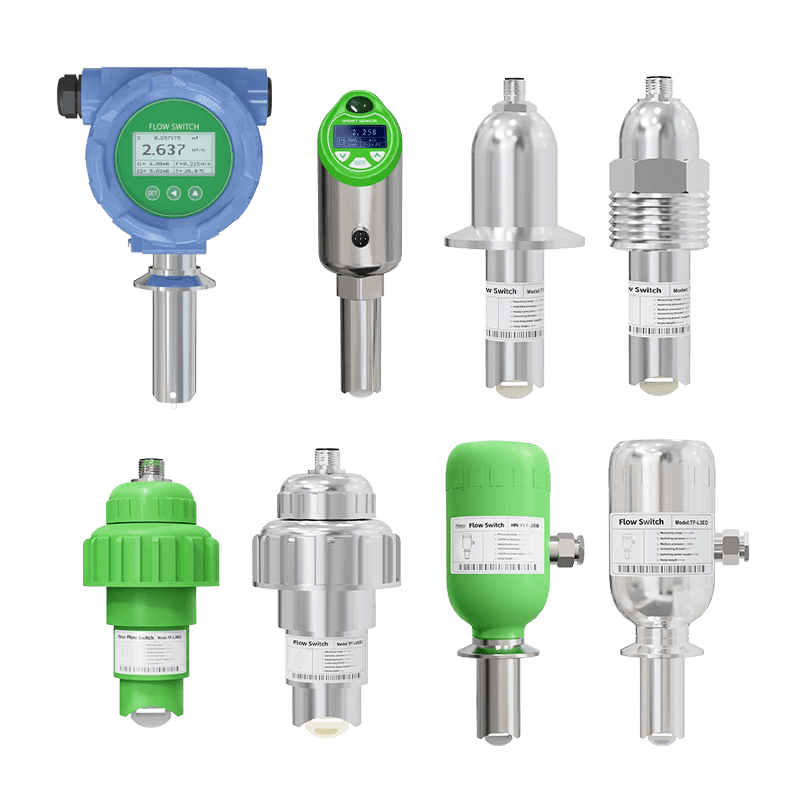
Many buyers only compare price and range while ignoring core working condition parameters, resulting in frequent on-site instrument failures. This article sorts out the critical questions purchasers must confirm before ordering pressure transmitters, covering process medium, temperature and pressure range, material compatibility, output signal, installation requirements and certification standards. It analyzes the risks caused by missing these inquiries, and provides practical checklists for instrument procurement. The purpose is to help buyers avoid selection traps, reduce after-sales maintenance costs and ensure stable long-term pressure measurement.
1. Introduction
Pressure transmitters convert process pressure into standard electrical signals for process control, interlock protection and data recording. In industrial procurement, buyers often rush into quotation comparison without fully clarifying field working conditions. When instruments arrive on site, problems such as diaphragm corrosion, zero drift, overpressure damage and signal mismatch emerge one after another. These failures are rarely caused by product quality defects; most stem from incomplete information communication between purchasers and suppliers in the pre-order stage. Before confirming orders, buyers must raise targeted questions to sort out all boundary conditions of the measurement point. A complete questionnaire can effectively filter unsuitable models, prevent rework and replacement, and cut the total lifecycle cost of instrumentation.
2. Core Questions to Confirm Before Purchasing
2.1 What is the measured medium and its chemical properties?
The first question should focus on the medium. Buyers need to clarify whether the medium is water, oil, steam, acid, alkali, chloride solution or slurry with solid particles. Medium composition directly determines the material of the wetted parts including diaphragm, process flange and sealing gasket. Ordinary 316L stainless steel fails in chloride or strong acid environments, causing pitting corrosion and diaphragm rupture. If the medium contains solid particles, anti-clogging or flush diaphragm options should be considered. Without confirming medium characteristics, suppliers can only offer general-purpose models which are high-risk for corrosive or abrasive working conditions.
2.2 What are the working pressure range, maximum overpressure and operating temperature?
It is necessary to distinguish normal working pressure, peak pressure and overpressure limit. Many users only provide routine operating pressure without mentioning transient pressure surges. If the transmitter’s overpressure resistance is lower than the pipeline shock pressure, the sensing element will be permanently damaged. Temperature is equally important. High temperature will cause zero drift and damage internal electronics. For high-temperature steam or hot oil, remote capillary diaphragm seals are required to isolate heat from the transmitter body. Both maximum and minimum temperature values must be provided instead of only average temperature.
2.3 What output signal and power supply does the control system require?
Users need to confirm the communication protocol of the DCS or PLC system. Common options include 4–20 mA analog signal, HART, Modbus, Profibus and FF fieldbus. Mismatched output signals mean the instrument cannot communicate with the control system. In addition, verify supply voltage. Some explosion-proof or low-power sites have strict limits on power supply. If the signal type is not confirmed in advance, the transmitter cannot be integrated into the existing control cabinet after delivery.
2.4 What process connection type and installation dimension are needed?
Process connection includes threaded, flange, sanitary clamp and flush diaphragm types. For high-viscosity, crystallization and easy-scaling media, flush diaphragm flanges are recommended to avoid clogging. Buyers should specify flange pressure class, size and gasket requirements. Limited installation space also affects the selection of compact or remote-mounted structures. Ignoring installation dimensions may lead to inability to mount the transmitter directly on pipelines or tanks.
2.5 Are explosion-proof, safety and calibration certificates required?
For hazardous areas with flammable gas or vapor, explosion-proof certification such as Ex ia or Ex d is mandatory. Industries such as hydrogen, chemical and pharmaceutical production also require SIL safety integrity certificates for safety interlock loops. In addition, on-site metering applications may need factory calibration certificates traceable to national standards. Missing required certifications will make the instrument unqualified for project acceptance.
3. Additional Practical Considerations
Besides the above key questions, purchasers should also confirm long-term service support, warranty period and spare parts availability. Some low-cost transmitters lack stable after-sales service, and spare parts cannot be supplied quickly when faults occur. It is also wise to clarify on-site calibration requirements and whether configuration tools are included. Collecting all these answers forms a complete technical specification, enabling suppliers to provide accurate and suitable quotations rather than generic products.
4. Conclusion
Before buying a pressure transmitter, purchasers should not focus merely on price and measuring range. The core questions cover medium property, pressure and temperature envelope, output signal, process connection and required certificates. Skipping these inquiries will bring hidden risks including corrosion, overpressure damage, signal incompatibility and project acceptance failure. By fully communicating working condition information with suppliers, buyers can select matched transmitters, avoid rework and replacement, reduce maintenance workload, and guarantee reliable pressure measurement for industrial process systems.
Scan the QR code to receive more detailed information.