

Application of Electromagnetic Flow Meters in Petrochemical Plants: Flow Monitoring Practice of Conductive Corrosive Media
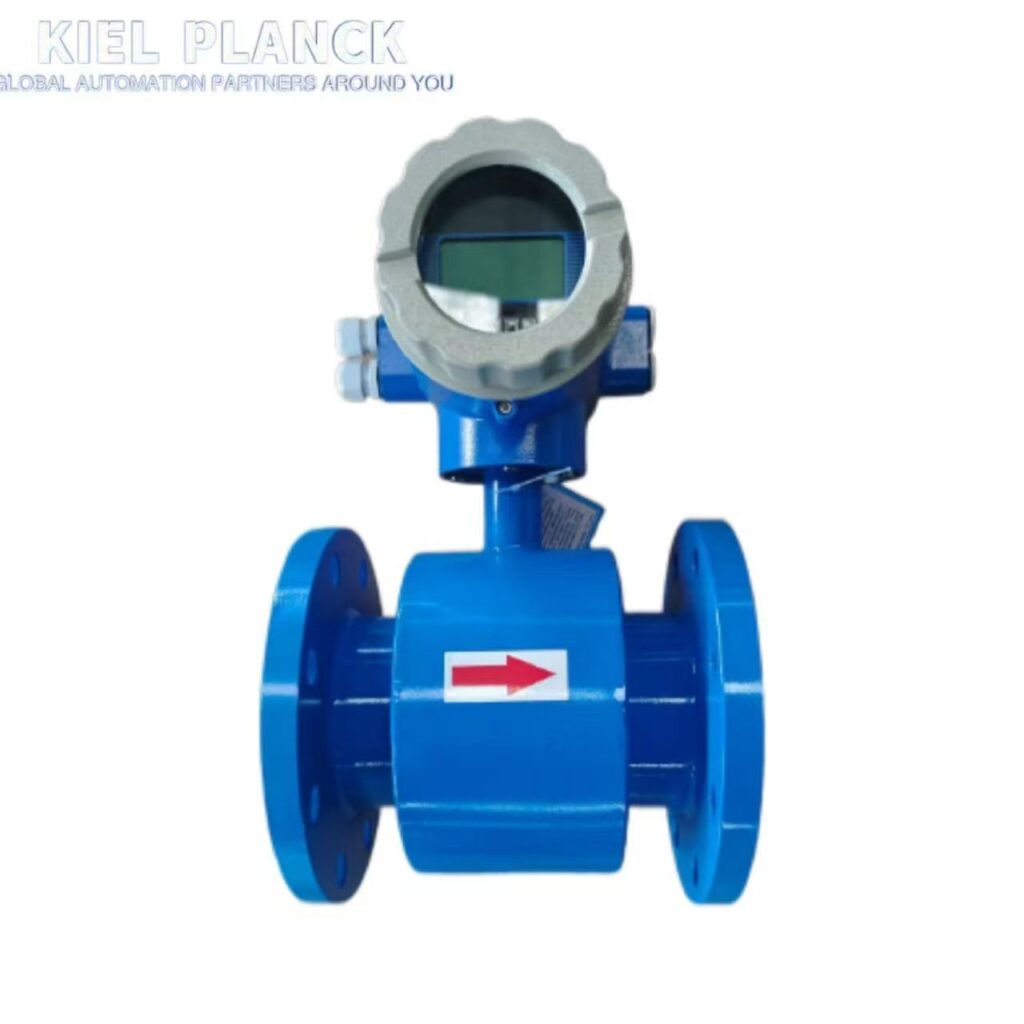
Petrochemical production involves a large number of conductive corrosive media, including acid-base solutions, salt-containing wastewater, and corrosive chemical raw materials, which pose severe challenges to industrial flow monitoring. Traditional flow meters such as turbine and vortex meters are susceptible to corrosion, mechanical wear and signal failure, resulting in inaccurate measurement and frequent equipment replacement in corrosive environments.
High-Pressure Electromagnetic Flow Meter: Stable Flow Monitoring Solution Under High-Temperature and High-Pressure Working Conditions
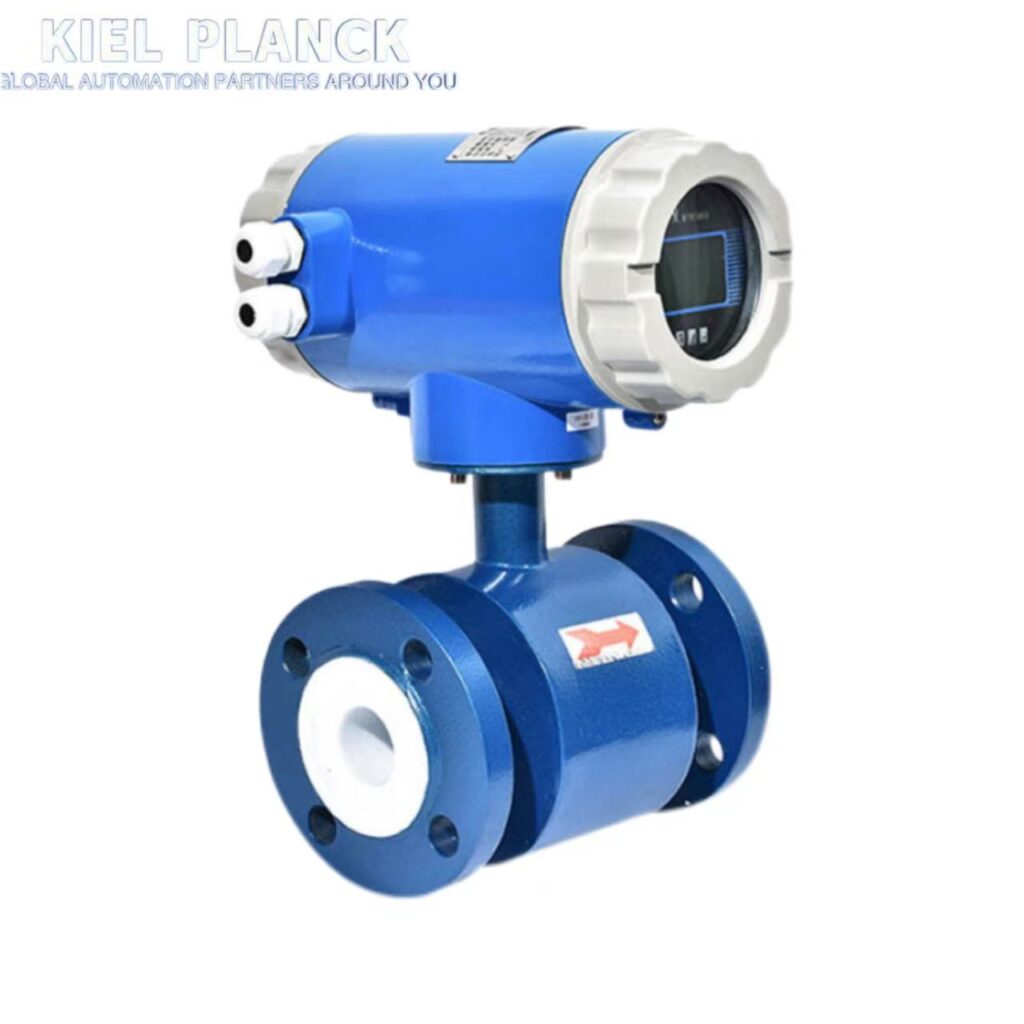
High-temperature and high-pressure working conditions are typical extreme environments in petrochemical, coal chemical, thermal power and process pipeline industries, placing rigorous demands on the structural stability and measurement reliability of flow monitoring equipment. Conventional flow meters and standard electromagnetic flow meters are prone to lining aging, seal failure, signal drift and accelerated component
Intelligent Electromagnetic Flow Meter: Digital Precision Upgrade Adapted for Industry 4.0 Scenarios
dustry 4.0 promotes traditional industrial production toward full digitalization, intelligent interconnection and unattended refined management, putting forward higher requirements for real-time performance, measurement accuracy and data traceability of industrial flow sensing equipment. Traditional electromagnetic flow meters with analog output and fixed algorithms can no longer adapt to dynamic working condition changes and intelligent data interaction needs of smart factories.
Electromagnetic Flow Meter Selection Guide: One-Stop Matching Solution for Diameter, Lining and Electrode
Electromagnetic flow meters are widely applied in water treatment, chemical engineering, metallurgy, pharmaceutical and sewage monitoring industries for their advantages of no pressure loss, high repeatability and unrestricted medium density
Recommended manufacturers of monocrystalline silicon pressure transmitters/flow meters
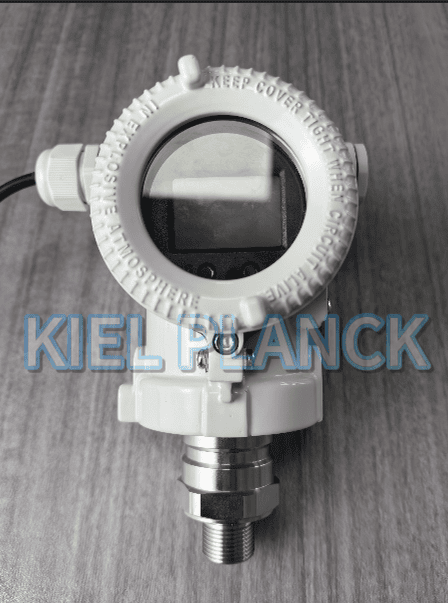
With the rapid upgrading of industrial refined measurement and the accelerated localization of high-end instrumentation, monocrystalline silicon pressure transmitters and flow meters have become core sensing equipment for petrochemical, energy, pharmaceutical and new energy industries.
Why do petrochemical companies all choose monocrystalline silicon when replacing pressure transmitters?
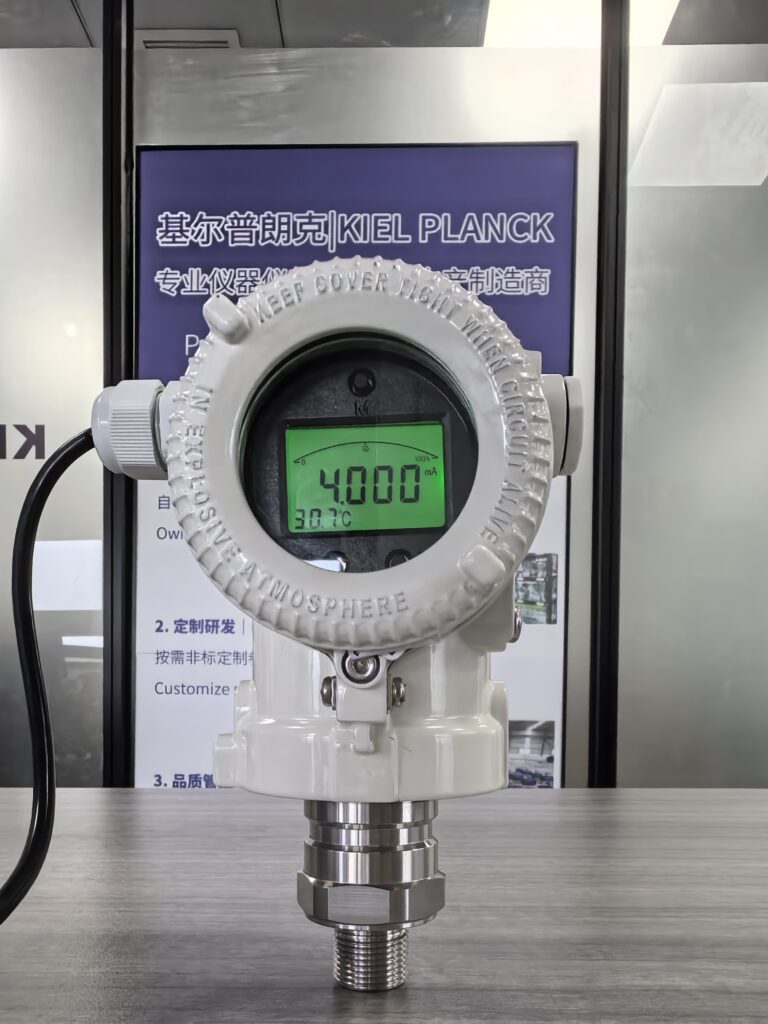
Petrochemical production features harsh operating conditions including high pressure, drastic temperature fluctuations, pipeline vibration, and long-term continuous operation.
The Intelligent Upgrade Path of Pressure Transmitters
From “Basic Measurement” to “Intelligent Digital Sensing Terminal”: The Intelligent Upgrade Path of Pressure Transmitters
Is a vortex flow meter accurate right after installation?
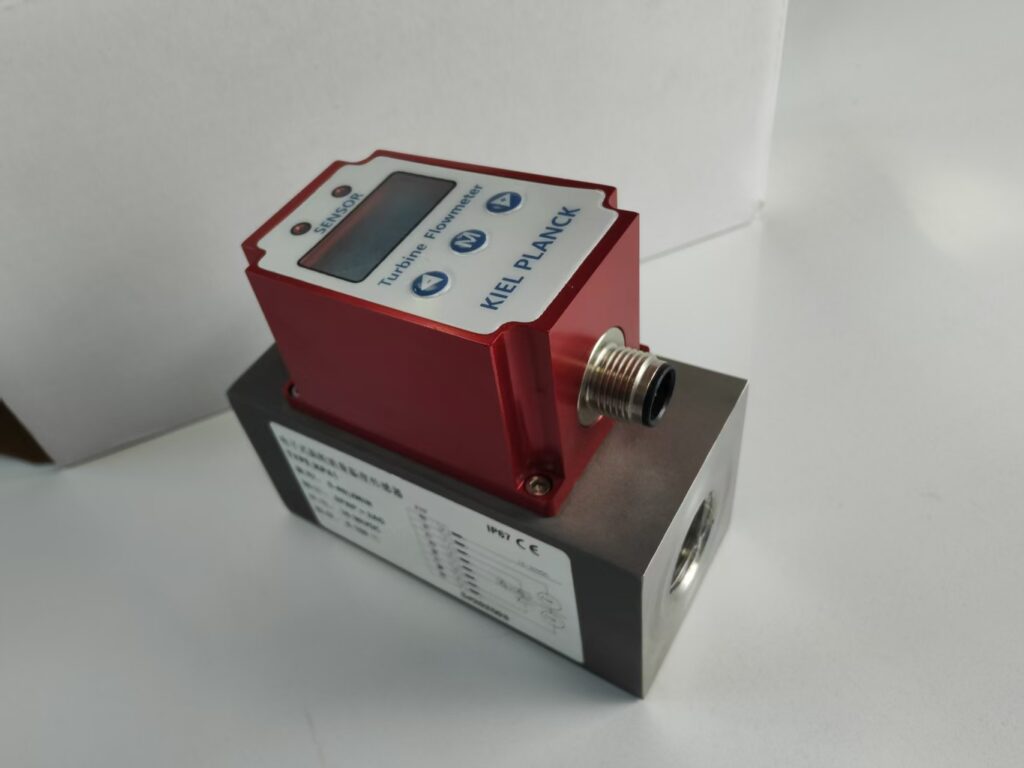
Is a vortex flow meter accurate right after installation? These 6 installation details, if not followed, can double the measurement error.
Why do hydrogen refueling stations use turbine flow meters for hydrogen?
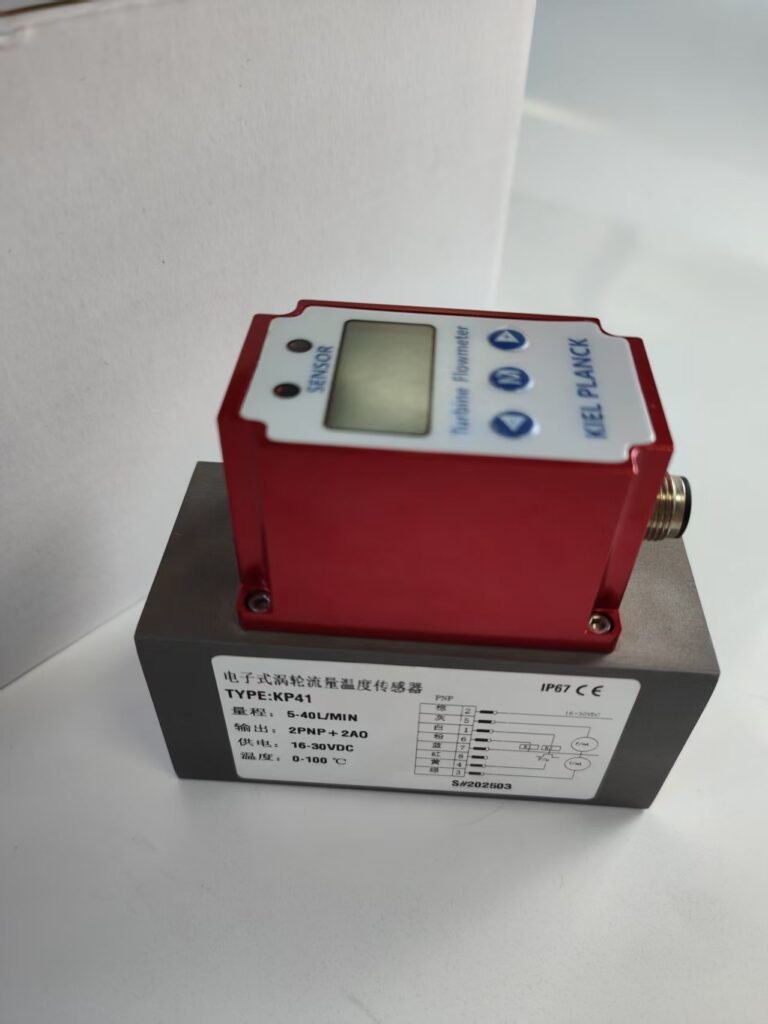
Why is KIEL plank prioritized for hydrogen metering at hydrogen refueling stations? What exactly are the differences between vortex/turbine systems?

