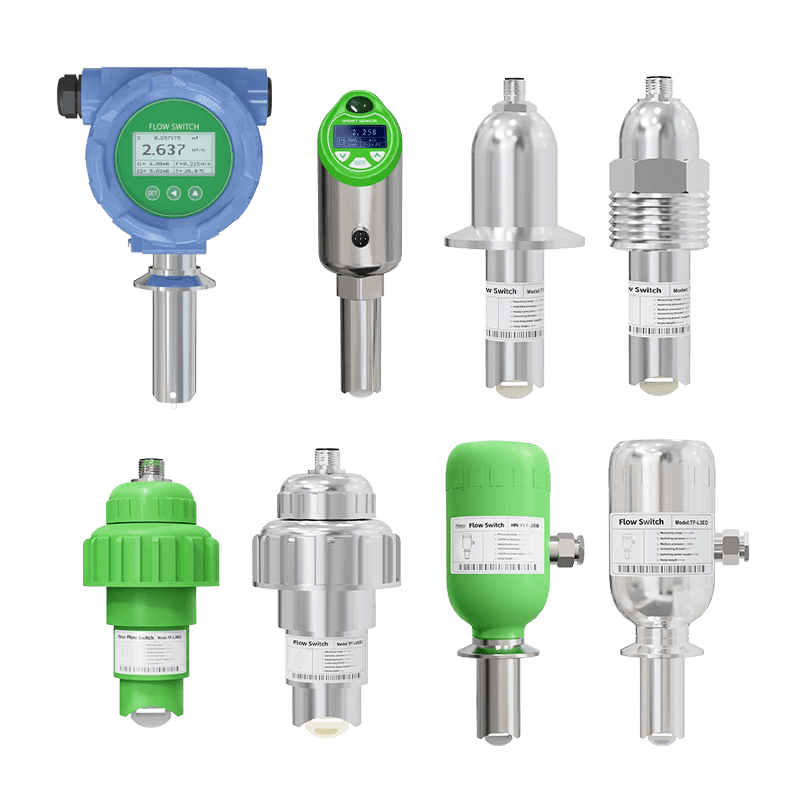
As a highly adaptable measuring instrument, electromagnetic flow meters feature no mechanical moving parts, excellent corrosion resistance and stable signal induction, making them the core equipment for monitoring conductive corrosive media in petrochemical plants. This article analyzes the monitoring difficulties of corrosive media in petrochemical scenarios, expounds the unique technical advantages of electromagnetic flow meters in adapting to conductive corrosive fluids, and summarizes practical application strategies and optimized configuration schemes in typical petrochemical processes. The study provides reliable technical references for precise flow control, safe production and energy consumption management in petrochemical corrosive working conditions.
1. Introduction
Petrochemical process systems cover complex links such as raw material reaction, medium transmission, product separation and sewage discharge. Most process media have dual characteristics of electrical conductivity and strong corrosion, which can easily erode metal components, damage instrument structures and interfere with normal measurement of traditional flow equipment. Mechanical flow meters rely on rotating parts, which are quickly corroded and invalid in acid and alkali media, while differential pressure meters are prone to pipeline blockage and pressure tapping failure. Different from conventional instruments, electromagnetic flow meters adopt non-contact fluid measurement and customizable anti-corrosion materials, which can stably capture flow signals of conductive corrosive media. With the advantages of zero pressure loss, strong medium adaptability and long service life, they have become the mainstream monitoring solution for corrosive fluid working conditions in modern petrochemical plants.
2. Monitoring Pain Points of Conductive Corrosive Media in Petrochemical Scenarios
Conductive corrosive media bring three major measurement difficulties to petrochemical industrial monitoring. First, strong corrosiveness erodes metal components. Traditional metal-based flow meters are easily rusted and corroded, causing structural damage and accuracy degradation, which cannot support long-term continuous operation. Second, complex medium composition interferes with measurement. Petrochemical corrosive fluids often contain suspended particles and colloids, which are easy to adhere to instrument surfaces, resulting in signal attenuation and data jitter. Third, frequent working condition fluctuations increase monitoring difficulty. Corrosive medium pipelines often face changes in flow rate, temperature and concentration, requiring instruments to have excellent dynamic response and environmental anti-interference ability. Most traditional measuring equipment cannot adapt to such complex and harsh working conditions, restricting the refined control of petrochemical processes.
3. Core Advantages of Electromagnetic Flow Meters for Corrosive Media Monitoring
Electromagnetic flow meters have inherent technical advantages in monitoring conductive corrosive media, fully matching petrochemical working condition characteristics. Firstly, the non-mechanical measurement structure avoids corrosion wear. Without moving parts blocking the pipeline, the equipment will not suffer structural damage even in long-term contact with acid, alkali and salt corrosive media, fundamentally reducing failure rates. Secondly, diversified anti-corrosion material configurations achieve targeted adaptation. Lining materials such as PTFE and PFA resist strong acid and alkali corrosion, while matched titanium and Hastelloy electrodes effectively prevent electrochemical corrosion, realizing full-system anti-corrosion protection.
In addition, electromagnetic flow meters have strong signal stability for complex conductive media. They can accurately measure fluids with low conductivity and mixed suspended particles, and are not affected by medium density, viscosity and temperature changes. Equipped with intelligent digital filtering and dynamic compensation algorithms, the instruments can eliminate signal interference caused by medium scaling and pipeline vibration, ensuring high-precision and repeatable flow data output in complex petrochemical environments.
4. Typical Engineering Application Practices in Petrochemical Plants
In petrochemical acid-base reaction workshops, electromagnetic flow meters are used to monitor the feeding flow of corrosive raw materials such as hydrochloric acid, sodium hydroxide and saline solution, ensuring precise batching ratio and improving reaction qualification rate. In chemical wastewater treatment systems, they stably track the flow of conductive corrosive sewage containing chemical residues, providing accurate data for environmental discharge monitoring and water balance statistics. In crude oil processing and auxiliary process pipelines, the instruments monitor corrosive brine and desulfurization solution, realizing real-time early warning of pipeline abnormal flow and leakage.
In actual engineering deployment, targeted configuration optimization further improves operational stability. Selecting high anti-corrosion lining and electrode combinations according to medium characteristics, reserving standard straight pipe sections, and installing anti-scaling and anti-interference accessories can effectively avoid common measurement faults in corrosive working conditions, realizing long-term maintenance-free operation of the equipment.
5. Conclusion
Electromagnetic flow meters have irreplaceable application value in petrochemical conductive corrosive medium monitoring. Their non-wear measurement structure, customizable anti-corrosion configuration and strong anti-interference performance effectively solve the pain points of easy corrosion, unstable signal and short service life of traditional flow meters in corrosive working conditions. Through widespread practical application in petrochemical reaction processes, sewage treatment and auxiliary pipeline monitoring, they ensure accurate process control and safe and stable production. With the continuous upgrading of petrochemical intelligent manufacturing, electromagnetic flow meters will further become standard configuration for corrosive fluid monitoring, providing solid support for refined, efficient and safe operation of petrochemical plants.
Scan the QR code to receive more detailed information.