wear under continuous extreme loads, resulting in poor repeatability and frequent accuracy degradation. Unable to sustain long-term stable operation, they often require repeated calibration and equipment replacement, increasing operational risks and maintenance costs. As a specialized industrial measuring device, high-pressure electromagnetic flow meters adopt high-strength pressure-resistant structures, high-temperature anti-aging lining materials and dynamic digital compensation algorithms. This article elaborates on the practical limitations of traditional flow measurement equipment in extreme working conditions, analyzes the core optimized design of high-pressure electromagnetic flow meters, and summarizes their unique technical advantages and industrial application values. It aims to provide a reliable and professional flow monitoring solution for high-precision, long-term fluid measurement in high-temperature and high-pressure industrial scenarios.
1. Introduction
Modern heavy process industries widely involve high-load fluid delivery and high-pressure reaction processes, where fluid media often operates under complex conditions with pressure up to 16 MPa and temperatures above 150 degrees Celsius. Accurate and stable flow monitoring is the core foundation for ensuring safe production, precise process control and efficient energy consumption management. Traditional mechanical flow meters such as turbine and vortex meters rely on moving components, which are vulnerable to deformation and fatigue damage under long-term high-pressure impact. Ordinary electromagnetic flow meters use common lining and sealing materials that cannot resist high-temperature aging and high-pressure extrusion, leading to electrode signal instability and medium leakage in extreme environments. In response to these industry pain points, high-pressure electromagnetic flow meters have been professionally optimized for extreme working conditions, becoming the preferred solution for stable flow monitoring in high-temperature and high-pressure pipeline systems.
2. Limitations of Traditional Flow Meters in Extreme Working Conditions
Traditional flow measurement equipment faces prominent technical bottlenecks in high-temperature and high-pressure scenarios. For mechanical flow meters, continuous high-pressure fluid scouring causes irreversible wear and structural deformation of rotors and bearings, reducing operational accuracy and shortening service life. Frequent pressure fluctuations further aggravate data jitter, failing to meet real-time precise monitoring requirements. Standard electromagnetic flow meters adopt ordinary rubber or conventional fluorine lining materials, which are prone to deformation, peeling and corrosion under long-term high-temperature radiation and high-pressure extrusion, destroying the insulation structure required for measurement. In addition, extreme temperature changes cause severe zero drift and signal distortion in conventional sensors. These defects lead to unstable measurement data, frequent equipment failures and repeated shutdown maintenance, seriously restricting the continuous and efficient operation of industrial production.
3. Core Technical Advantages of High-Pressure Electromagnetic Flow Meters
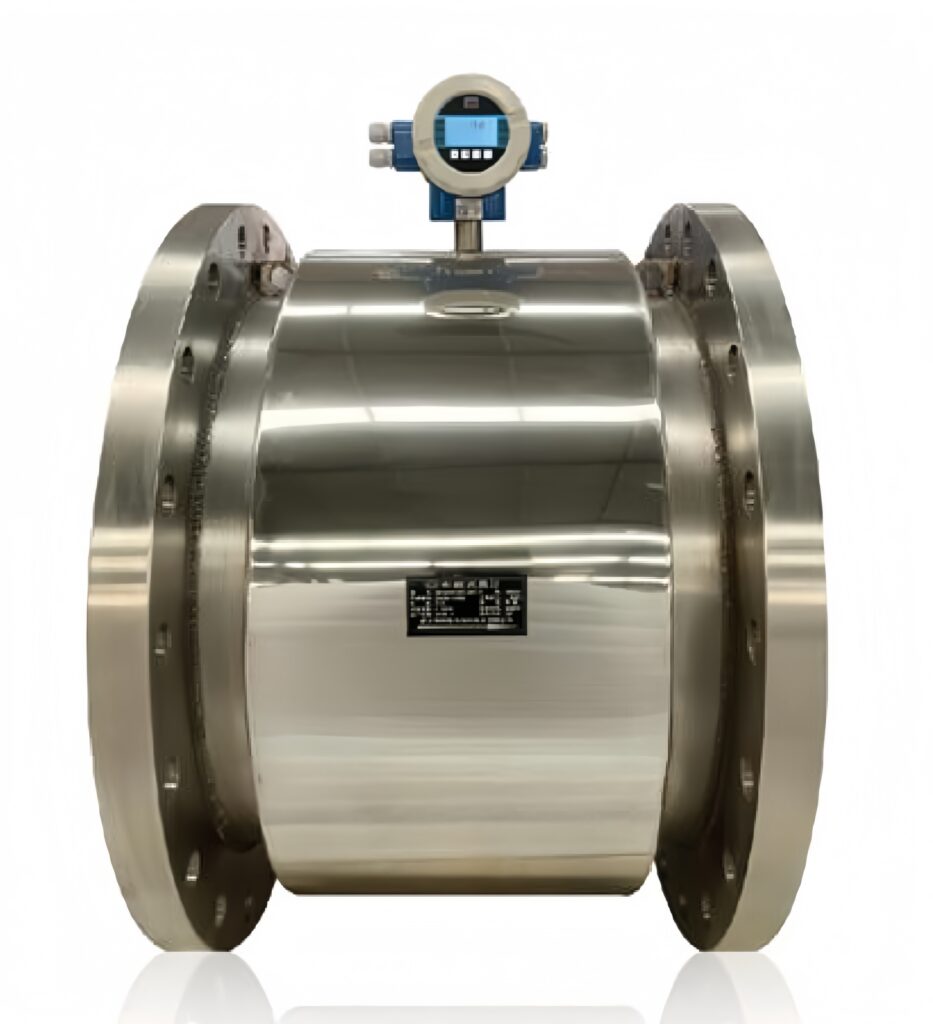
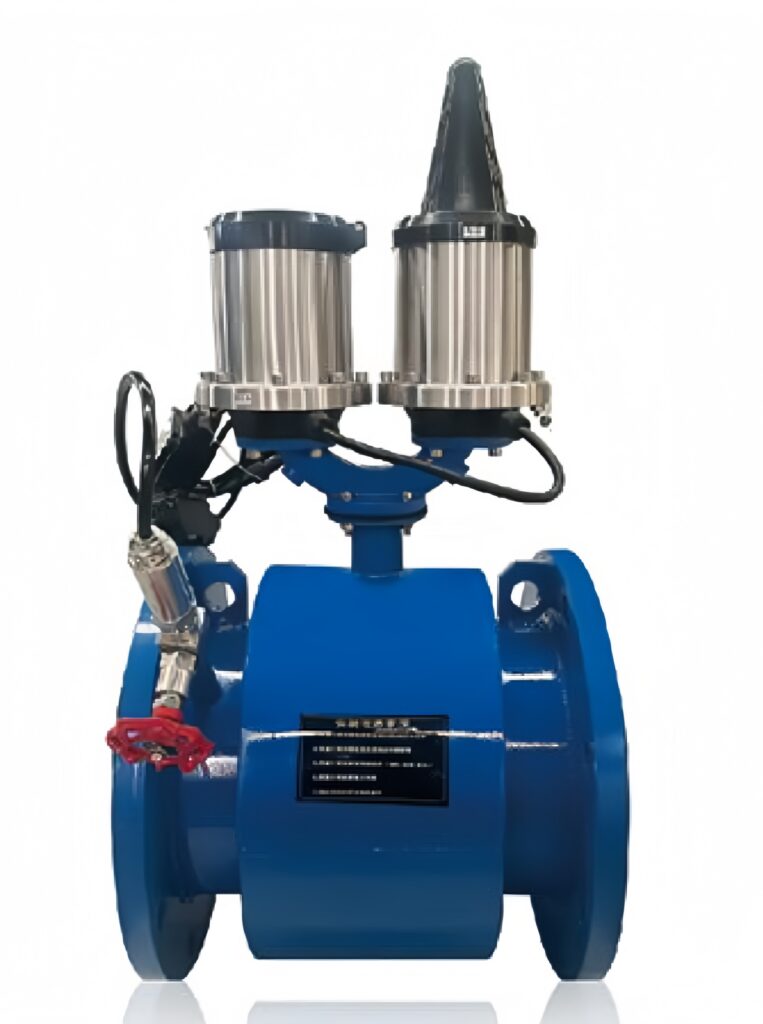
High-pressure electromagnetic flow meters achieve reliable adaptation to extreme environments through systematic structural optimization and material upgrading. In terms of mechanical structure, they adopt integral forged steel shells and thickened high-pressure flanges, with customized multi-layer composite sealing structures. This design effectively resists long-term high-pressure impact, avoids structural deformation and medium leakage, and greatly improves overall structural rigidity and pressure resistance. In terms of lining configuration, high-temperature resistant modified PTFE and PFA composite linings replace traditional ordinary materials, maintaining stable insulation, corrosion resistance and mechanical toughness under dual high-temperature and high-pressure loads.
In terms of sensing and data processing, high-pressure resistant integrated electrodes are equipped to resist high-temperature oxidation and fluid scouring, ensuring stable and continuous signal induction. Built-in intelligent dynamic temperature and pressure compensation algorithms automatically correct measurement errors caused by environmental fluctuations, realizing high-precision and stable data output throughout variable extreme working conditions. Meanwhile, retaining the inherent advantages of electromagnetic measurement, the equipment has no moving parts and zero fluid pressure loss, fundamentally eliminating mechanical wear and long-term accuracy attenuation.
4. Industrial Application Values and Scenarios
High-pressure electromagnetic flow meters have extensive application value in heavy industrial extreme scenarios. In coal chemical and petrochemical industries, they stably monitor high-temperature, high-pressure and slightly corrosive reaction media, providing accurate data support for closed-loop process control and ensuring production safety. In thermal power and central heating systems, they adapt to superheated water and high-temperature circulating fluid pipelines, realizing long-term unattended stable monitoring. Compared with traditional instruments, they significantly reduce calibration frequency and equipment replacement costs, lowering overall operation and maintenance expenses. Their excellent environmental adaptability and long-term stability make them suitable for full-time continuous operation in high-load industrial scenarios.
5. Conclusion
High-pressure electromagnetic flow meters effectively solve the common technical pain points of traditional flow measurement equipment in high-temperature and high-pressure working conditions. Through high-strength pressure-resistant structures, high-temperature anti-aging lining materials and intelligent dynamic compensation technology, they achieve stable, high-precision and low-failure flow monitoring in extreme industrial environments. With outstanding structural reliability, long-term stability and economic operation advantages, they fully meet the refined and safe production requirements of modern heavy process industries. As industrial equipment continues to develop toward high parameters and high loads, high-pressure electromagnetic flow meters will become the standard configuration for extreme fluid monitoring, providing strong technical support for the digital and safe upgrading of industrial process control systems.
Scan the QR code to receive more detailed information.