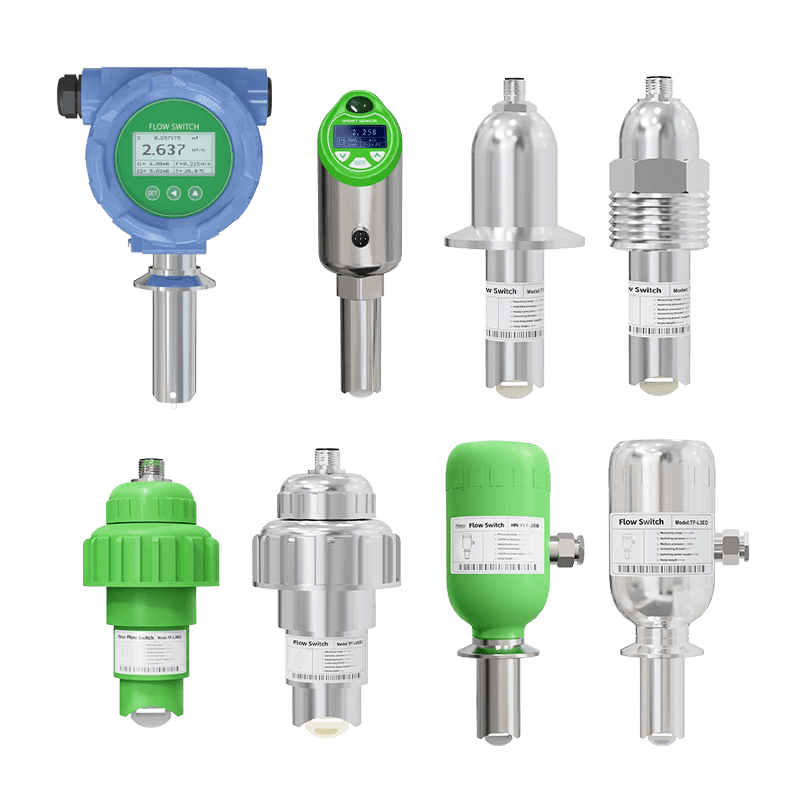
With embedded microprocessors, digital compensation algorithms and industrial Internet communication modules, intelligent electromagnetic flow meters have realized comprehensive upgrades in precision stability, anti-interference capability and data intelligence. This article analyzes the technical differences between traditional and new-generation intelligent electromagnetic flow meters, focuses on core digital precision upgrading mechanisms such as dynamic temperature compensation, anti-scaling signal optimization and high-frequency sampling, and discusses its adaptive advantages in typical Industry 4.0 scenarios including intelligent chemical plants, digital water treatment and automated production lines. The study summarizes the application value and development prospects of intelligent flow meters, providing effective technical support for industrial digital transformation.
1. Introduction
In the context of Industry 4.0, industrial process control is evolving from simple data monitoring to full-cycle digital management. As key fluid measurement equipment, electromagnetic flow meters undertake the important task of real-time flow data collection, process feedback and energy consumption statistics. Traditional electromagnetic flow meters rely on analog circuit operation, with fixed calibration parameters, single signal output mode and poor adaptability to fluctuating temperature, pressure and medium environments. They are prone to data drift, low repeatability and inability to upload data remotely, which cannot match the intelligent operation requirements of modern automated production lines. In contrast, upgraded intelligent electromagnetic flow meters integrate digital sensing, algorithm optimization and IoT interconnection functions, realizing precision self-correction, real-time data transmission and intelligent fault diagnosis, becoming core terminal equipment for Industry 4.0 digital sensing systems.
2. Core Digital Precision Upgrade Technologies
The precision improvement of intelligent electromagnetic flow meters benefits from comprehensive digital technical iteration. First, full digital dynamic compensation algorithm replaces traditional fixed parameter calibration. The equipment can automatically identify changes in ambient temperature, medium conductivity and pipeline vibration, and dynamically correct measurement errors in real time, effectively solving the long-standing problems of temperature drift and working condition deviation of traditional instruments. Second, high-frequency digital sampling technology improves response sensitivity. Compared with low-frequency analog sampling, intelligent meters support millisecond-level rapid sampling, accurately capturing instantaneous flow fluctuations in automated batch production and dynamic fluid processes.
In addition, intelligent signal filtering and anti-scaling optimization greatly enhance data stability. Through built-in digital filtering programs, the equipment automatically filters electromagnetic interference and fluid turbulence noise in industrial environments. It also adds electrode scaling self-diagnosis function, which can identify surface dirt interference and optimize signal induction intensity, avoiding accuracy degradation caused by long-term operation. These digital upgrades fundamentally improve the overall measurement precision and environmental adaptability of electromagnetic flow meters.
3. Intelligent Function Iteration Adapting to Industry 4.0
Different from traditional single-function measuring instruments, intelligent electromagnetic flow meters have built-in industrial digital communication protocols including Modbus, HART and Profinet, realizing seamless connection with factory DCS, PLC and cloud platforms. It supports remote parameter configuration, online calibration and real-time data uploading, breaking the limitations of on-site manual operation. Meanwhile, the equipment integrates edge computing capability, which can locally analyze flow trend changes, judge abnormal working conditions such as pipeline blockage and medium leakage, and actively push early warning information.
This intelligent interactive mode meets the core demands of Industry 4.0 unmanned workshops and digital management. It realizes the transformation of flow meters from passive data collection tools to active intelligent sensing terminals, supporting automated process adjustment, production data visualization and full-life-cycle equipment management.
4. Typical Industry 4.0 Scenario Application Advantages
In intelligent fine chemical plants, intelligent electromagnetic flow meters adapt to frequent switching of batching processes and dynamic medium changes, ensuring high-precision flow control of chemical raw materials and improving product qualification rate. In digital water treatment systems, the equipment realizes real-time monitoring and data interconnection of sewage discharge and water supply flow, helping enterprises achieve intelligent energy consumption statistics and environmental data traceability. In automated metallurgy and pharmaceutical production lines, its strong anti-interference ability and stable digital output ensure the continuous and reliable operation of fully automated production processes.
5. Conclusion
Driven by Industry 4.0 digital transformation, intelligent electromagnetic flow meters have completed essential upgrades from analog measurement to digital intelligent sensing. Through dynamic algorithm compensation, high-frequency digital sampling, intelligent fault diagnosis and industrial interconnection functions, they effectively solve the precision drift and poor scalability defects of traditional flow meters. With outstanding adaptive performance in automated production, digital monitoring and intelligent early warning scenarios, they fully meet the refined and intelligent management needs of modern industrial production. As industrial digitalization continues to deepen, intelligent electromagnetic flow meters will become standard configuration for smart factory fluid measurement systems, continuously empowering the high-quality development of Industry 4.0 intelligent manufacturing.
Scan the QR code to receive more detailed information.