However, alkaline liquid features strong corrosiveness, certain conductivity and easy scaling, bringing great challenges to traditional flow measurement devices. Conventional mechanical and differential pressure flow meters are prone to corrosion blockage, mechanical wear and inaccurate low-flow feedback, resulting in unbalanced electrolytic reaction and increased energy consumption. As a high-precision and high-stability measuring device, electromagnetic flow meters adapt perfectly to alkaline liquid circulation working conditions. This article analyzes the key measurement pain points of alkaline circulation in water electrolysis hydrogen production, discusses the core technical advantages of electromagnetic flow meters in anti-corrosion, anti-scaling and dynamic precise monitoring, and summarizes practical application schemes in electrolyzer systems. The research provides reliable technical support for high-efficiency, low-consumption and stable operation of industrial hydrogen production equipment.
1. Introduction
With the rapid development of the green hydrogen energy industry, alkaline water electrolysis technology has become the mainstream solution for large-scale industrial hydrogen production due to its low cost and high equipment maturity. In the electrolysis system, the circulating alkaline liquid such as potassium hydroxide and sodium hydroxide solution undertakes multiple functions of conducting current, dissipating heat and balancing electrolyte concentration. Stable and accurate circulation flow monitoring is the key to maintaining optimal electrolysis temperature, ensuring uniform current density and avoiding gas-liquid stratification. Traditional flow measurement equipment cannot adapt to the long-term cyclic scouring and corrosive characteristics of alkaline liquid, often causing flow data drift and equipment failure. In contrast, electromagnetic flow meters with customized anti-alkali corrosion materials and intelligent signal processing capabilities have become the preferred precision monitoring solution for alkaline circulation loops of water electrolysis hydrogen production equipment.
2. Flow Monitoring Pain Points of Alkaline Liquid Circulation in Hydrogen Production
The alkaline circulation system of electrolysis hydrogen production has typical harsh working characteristics, leading to many limitations of traditional flow meters. First, alkaline medium has strong corrosivity and alkalinity, which can erode metal rotating parts of turbine and vortex meters, causing structural damage and shortening service life. Second, alkaline liquid is prone to crystallization and scaling on the pipe wall, which easily blocks differential pressure measuring holes and interferes with signal induction of traditional instruments. Third, the hydrogen production process has frequent dynamic flow fluctuations during startup, load adjustment and shutdown. Traditional meters have slow response speed and poor low-flow linearity, unable to capture tiny flow changes in real time. In addition, long-term continuous circulating operation requires instruments with ultra-high stability, while conventional measuring equipment needs frequent calibration and maintenance, which affects the continuous operation efficiency of hydrogen production equipment.
3. Core Advantages of Electromagnetic Flow Meters for Alkaline Liquid Monitoring
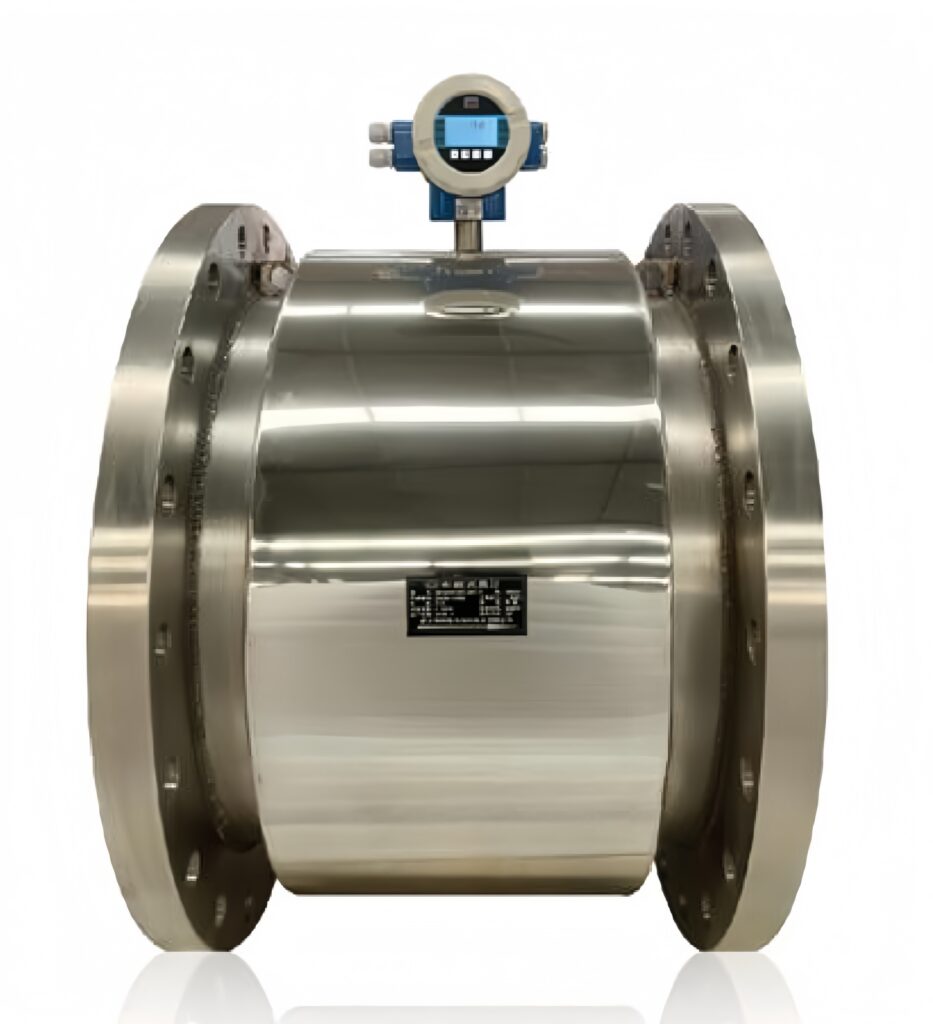
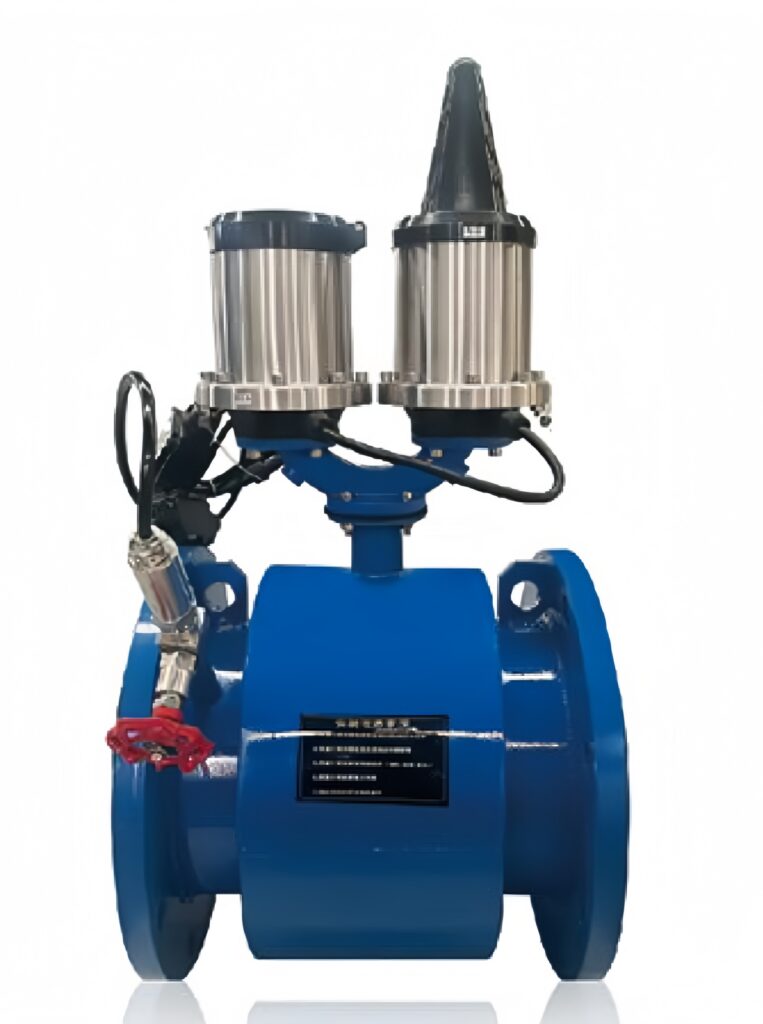
Electromagnetic flow meters form a targeted precision monitoring solution for alkaline liquid circulation through material optimization and algorithm upgrading. Firstly, the non-mechanical structure completely avoids wear and blockage. Without rotating components or pressure guiding holes, the meter will not fail due to alkaline scaling and crystallization, realizing long-term stable operation in closed circulating pipelines. Secondly, professional anti-alkali corrosion configuration ensures medium adaptability. High-temperature resistant PFA lining and specially matched Hastelloy or tantalum electrodes effectively resist strong alkali corrosion and prevent surface oxidation, adapting to long-term scouring of high-concentration alkaline electrolyte.
Furthermore, electromagnetic flow meters have excellent dynamic response and low-flow precision, which can accurately track flow fluctuation during electrolyzer load switching. Equipped with intelligent anti-scaling filtering and temperature dynamic compensation algorithms, the meter can automatically eliminate signal interference caused by slight crystallization and temperature changes, ensuring consistent and reliable flow data output. Meanwhile, the equipment features zero pressure loss, which will not increase circulating pipeline resistance or affect the overall operating efficiency of hydrogen production units.
4. Practical Application Value in Water Electrolysis Hydrogen Production Systems
In industrial alkaline electrolysis hydrogen production projects, electromagnetic flow meters are mainly installed in the main circulation pipeline and branch electrolyte pipelines of electrolyzers. They monitor real-time circulating flow to ensure that the electrolyte flow matches the electrolysis current, avoiding local overheating and concentration imbalance caused by insufficient flow. Accurate flow feedback helps the automatic control system adjust circulating pump frequency dynamically, reduce invalid energy consumption, and improve the overall hydrogen production efficiency. In addition, stable flow monitoring data supports equipment fault diagnosis; abnormal flow drop can timely judge pipeline scaling, blockage or pump failure, realizing early warning and preventive maintenance. This precise monitoring mode effectively reduces equipment failure rate and downtime loss, improving the intelligent operation level of hydrogen production stations.
5. Conclusion
Electromagnetic flow meters provide a reliable precision monitoring solution for alkaline liquid circulation in water electrolysis hydrogen production equipment. They effectively solve the industry pain points of corrosion failure, scaling blockage and inaccurate dynamic measurement of traditional flow meters in alkaline working conditions, relying on non-blocking structure, anti-alkali corrosion materials and intelligent digital compensation technology. By realizing full-cycle high-precision flow monitoring of electrolyte circulation systems, the meters optimize electrolysis reaction conditions, reduce energy consumption and ensure the long-term stable operation of hydrogen production equipment. With the large-scale development of green hydrogen industry, customized electromagnetic flow meters will become standard supporting equipment for water electrolysis hydrogen production systems, promoting the efficient and intelligent upgrading of the hydrogen energy manufacturing industry.
Scan the QR code to receive more detailed information.