However, the cooling water in hydrogen stations contains trace impurities and soluble ions, while high-pressure hydrogen working conditions bring severe vibration and temperature fluctuation, resulting in poor stability and frequent accuracy degradation of traditional turbine and vortex flow meters. As a reliable precision measuring device, electromagnetic flow meters feature anti-interference capability, zero pressure loss and stable adaptability to conductive water media. This article analyzes the operational characteristics and monitoring pain points of cooling water systems in high-pressure hydrogen refueling stations, expounds the core technical advantages of electromagnetic flow meters applied in hydrogen energy scenarios, and summarizes practical installation and monitoring schemes. The study aims to provide effective flow measurement solutions for the stable and intelligent operation of high-pressure hydrogen refueling stations.
1. Introduction
With the rapid commercialization of the hydrogen energy industry, high-pressure hydrogen refueling stations have gradually become the core infrastructure supporting hydrogen fuel cell vehicle promotion. High-pressure hydrogen compression, storage and fast refueling processes will generate massive compression heat and friction heat. The closed cooling water system undertakes the key task of circulating heat dissipation, and its flow stability directly determines the operating temperature of high-pressure hydrogen equipment and the safety of hydrogen refueling operations. Sustained abnormal cooling water flow will lead to equipment overheating, hydrogen density deviation and even automatic shutdown failure, restricting the continuous operation of refueling stations. Traditional mechanical flow meters are prone to wear, blockage and signal drift under long-term vibration and complex water quality conditions, which cannot meet the high-reliability monitoring requirements of hydrogen energy scenarios. In contrast, electromagnetic flow meters, with non-mechanical structure and strong environmental adaptability, have become the optimal choice for cooling water flow monitoring in high-pressure hydrogen refueling stations.
2. Monitoring Pain Points of Cooling Water Systems in High-Pressure Hydrogen Scenarios
The cooling water system of hydrogen refueling stations has unique working condition characteristics that bring great challenges to conventional flow measurement equipment. First, the station operates continuously for 24 hours, and long-term pipeline vibration generated by high-pressure hydrogen compressors will cause mechanical fatigue and data jitter of turbine and vortex meters, reducing measurement repeatability. Second, circulating cooling water contains tiny sediment, scale and trace conductive ions, which easily adhere to the rotating parts of mechanical meters, causing blockage and accuracy attenuation. Third, the cooling water temperature fluctuates with refueling peak periods, and traditional instruments lack dynamic temperature compensation, resulting in obvious measurement deviation under variable temperature conditions. In addition, hydrogen station safety specifications require high stability and low failure rate of auxiliary monitoring equipment, while traditional meters need frequent calibration and maintenance, increasing operational risks and management costs.
3. Core Advantages of Electromagnetic Flow Meters for Hydrogen Station Cooling Water Monitoring
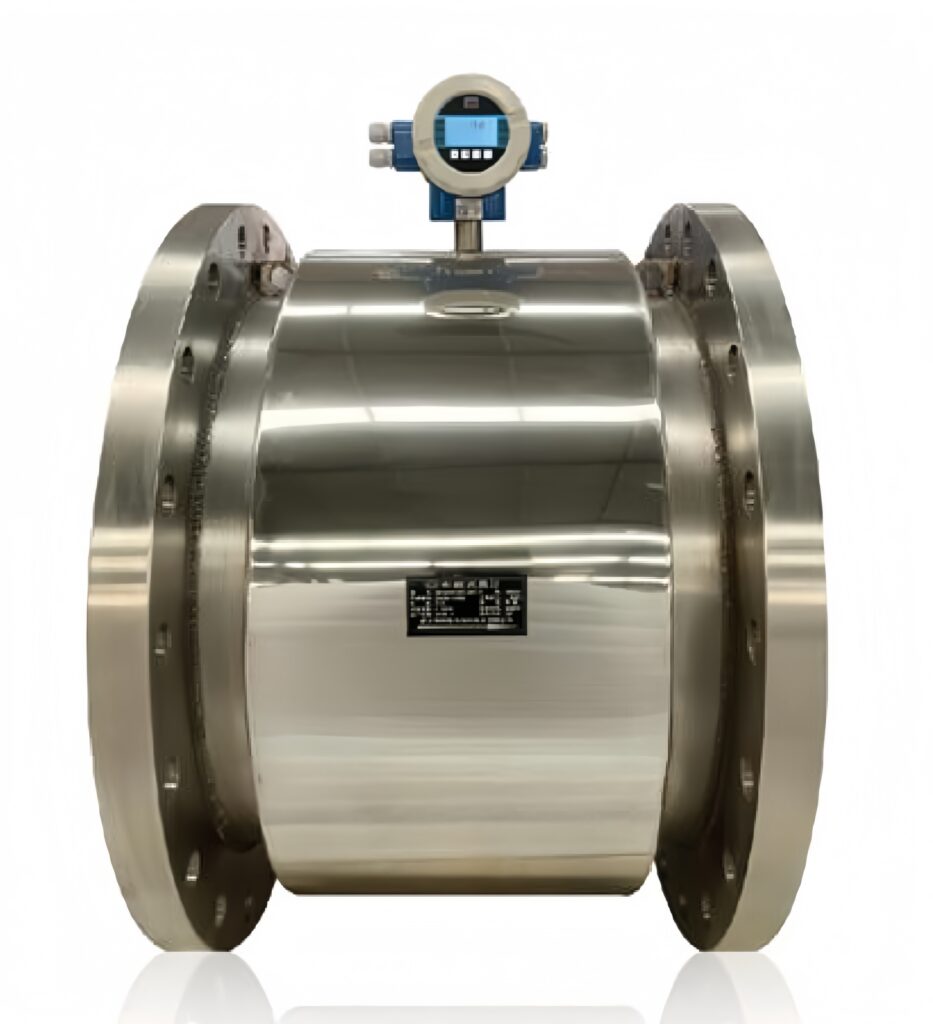
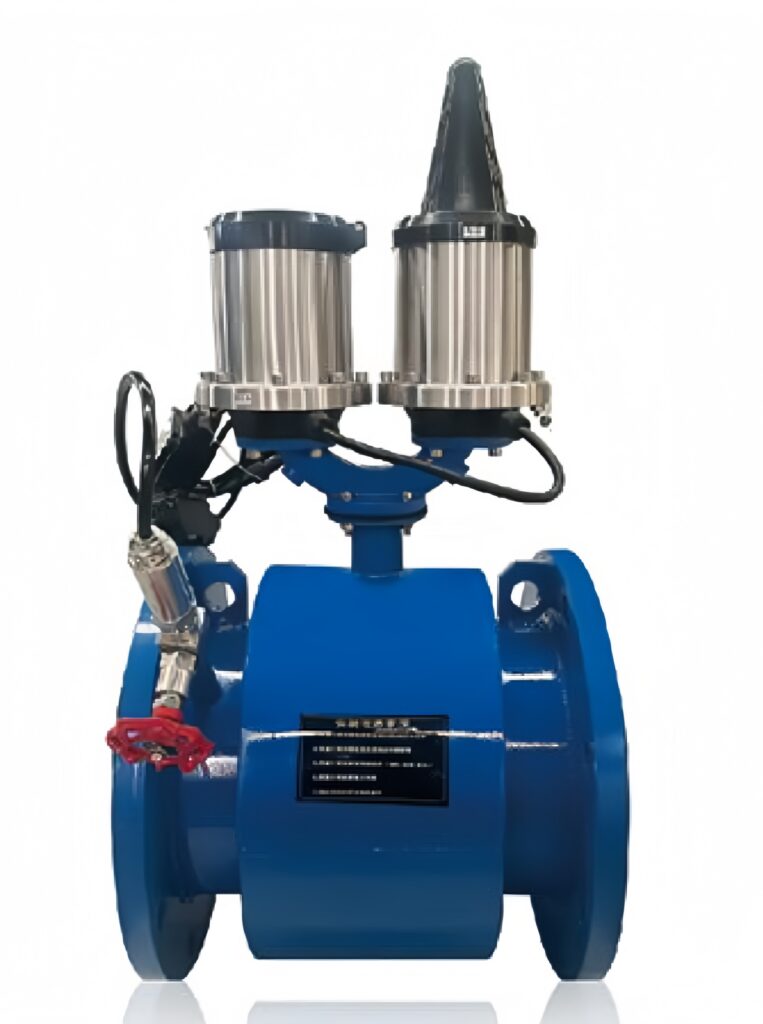
Electromagnetic flow meters show irreplaceable comprehensive advantages adapting to high-pressure hydrogen station cooling water working conditions. Firstly, the non-mechanical measuring structure fundamentally avoids wear and blockage risks. Without rotating components or vulnerable parts, the meter can resist long-term pipeline vibration and adapt to continuous cyclic operation of cooling water systems, greatly reducing equipment failure rate. Secondly, it has excellent adaptability to circulating water quality. The meter can stably measure conductive cooling water containing trace impurities and fine sediment, and the optimized lining material effectively resists scale adhesion and corrosion, maintaining long-term measurement stability.
Furthermore, equipped with intelligent dynamic compensation algorithms, electromagnetic flow meters can automatically correct measurement errors caused by water temperature changes and environmental interference, ensuring accurate flow output during peak and off-peak refueling periods. Different from traditional meters with large pipeline pressure loss, this equipment features zero pressure loss, which will not increase the load of cooling water pumps, effectively reducing the overall energy consumption of hydrogen stations. Meanwhile, its explosion-proof and high-reliability design fully meets the safety standard requirements of flammable and explosive hydrogen energy scenarios.
4. Practical Application and Engineering Value
In practical engineering deployment of high-pressure hydrogen refueling stations, electromagnetic flow meters are mainly installed in the main cooling water circulation pipeline and branch heat dissipation pipelines of compressors. They monitor real-time flow changes, feed data back to the station control system, and linkage-adjust the operating frequency of cooling water pumps to maintain constant equipment temperature. When the cooling water flow is insufficient or blocked, the meter can capture abnormal signals in real time to trigger early warning, avoiding overheating failure of high-pressure hydrogen equipment. This intelligent monitoring mode realizes refined management of the cooling system, reduces manual inspection pressure, and improves the overall intelligent operation level of hydrogen refueling stations. In addition, long-term stable measurement data provides reliable support for energy consumption statistics and equipment full-life-cycle maintenance.
5. Conclusion
Electromagnetic flow meters provide a high-stability and low-maintenance precision monitoring solution for cooling water systems of high-pressure hydrogen refueling stations. They effectively solve the common pain points of vibration interference, scale blockage and temperature drift of traditional flow measurement equipment in hydrogen energy scenarios. With non-wear structure, strong water quality adaptability and intelligent anti-interference performance, they ensure continuous and accurate monitoring of cooling water circulation flow, stabilize the heat dissipation effect of core hydrogen equipment, and guarantee the safe and efficient operation of refueling stations. As the hydrogen energy industry continues to develop towards standardization and intelligence, electromagnetic flow meters will become standard supporting equipment for cooling systems of high-pressure hydrogen refueling stations, supporting the large-scale and high-quality development of the hydrogen energy industry.
Scan the QR code to receive more detailed information.