Pressure transmitters serve as key measurement devices for unit pressure monitoring, closed-loop control, and safety interlock protection, whose accuracy and reliability directly determine the operational safety and production stability of hydrogenation processes. Improper transmitter selection may lead to measurement drift, equipment corrosion, signal failure, or even safety accidents such as hydrogen leakage and overpressure explosion. This article systematically analyzes the harsh operational characteristics of hydrogenation units, summarizes core selection criteria covering process parameter matching, medium corrosion resistance, safety certification, environmental adaptability, and functional safety performance, and clarifies common selection mistakes and optimization strategies. The research aims to provide a standardized and practical selection guide for engineering procurement and field configuration, ensuring long-term stable and safe operation of hydrogenation unit pressure measurement loops.
Keywords: hydrogenation unit; pressure transmitter; instrument selection; functional safety; explosion-proof certification
1. Introduction
Hydrogenation technology is widely used in petroleum refining, chemical synthesis, and coal chemical industries to remove impurities such as sulfur and nitrogen and improve product quality. Different from conventional industrial equipment, hydrogenation units feature high static pressure (up to 60MPa in severe working conditions), pure hydrogen flammable medium, and complex operating environments with high vibration and temperature fluctuation. Pressure data collected by transmitters participates in critical links including reactor pressure control, hydrogen circulation regulation, and emergency shutdown interlock. Ordinary industrial pressure transmitters often fail to adapt to such extreme conditions, resulting in frequent calibration deviations and short service life. Therefore, targeted and standardized selection based on the unique working conditions of hydrogenation units is essential to guarantee measurement accuracy and system safety.
2. Core Working Condition Characteristics of Hydrogenation Units
The primary difficulty of transmitter selection for hydrogenation units lies in the harsh process environment. First, the unit operates under long-term high pressure with frequent instantaneous pressure spikes, requiring excellent overload resistance of instruments. Second, the hydrogen medium has strong permeability, which easily causes hydrogen embrittlement and aging of ordinary metal diaphragms. Third, the medium contains trace sulfide and acidic impurities, bringing certain corrosive risks to sensing components. In addition, the device area belongs to hazardous explosive zones, and field mechanical vibration and electromagnetic interference also put forward higher requirements for the anti-interference and structural stability of transmitters.
3. Key Selection Criteria for Pressure Transmitters
3.1 Pressure Range and Overload Performance Matching
Range selection follows the industry optimal principle: the normal operating pressure should account for 50% to 70% of the full scale, reserving sufficient margin for pressure fluctuation and instantaneous spikes. Hydrogenation units require a minimum 1.5 times overload safety margin to avoid sensor damage caused by overpressure impact. For high-static-pressure hydrogenation reactors, high-static-pressure differential pressure transmitters should be prioritized to adapt to long-term high-pressure operating conditions and ensure stable measurement accuracy.
3.2 Anti-corrosion and Anti-hydrogen-embrittlement Material Selection
Material adaptability is the core of prolonging instrument service life. For hydrogen-containing media, ordinary 304 stainless steel diaphragms are prone to hydrogen embrittlement and cracking. It is necessary to select high-performance materials such as 316L stainless steel or Hastelloy alloy diaphragms with excellent hydrogen permeability resistance. For working conditions with sulfide impurities, anti-sulfur certified materials must be adopted to prevent chemical corrosion and ensure long-term structural stability of the sensing unit.
3.3 Safety and Explosion-proof Certification Compliance
All transmitters used in hydrogenation explosive hazardous areas must obtain valid IECEx or ATEX explosion-proof certification to meet zone safety classification requirements. Meanwhile, critical safety loops such as unit overpressure protection and emergency shutdown must be equipped with transmitters with SIL2 or SIL3 functional safety certification in accordance with IEC 61508 standards, to reduce the probability of safety function failure and meet the safety integrity requirements of hydrogenation process systems.
3.4 Environmental Adaptability and Signal Stability
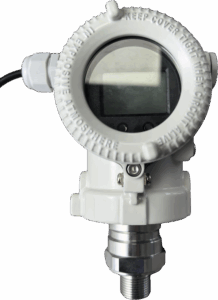
Field transmitters should have a protection grade of no less than IP67 to adapt to outdoor and harsh factory environments. They need strong vibration resistance and electromagnetic anti-interference ability to resist mechanical vibration of hydrogen circulation pumps and on-site electromagnetic signal interference. In terms of signal output, 4-20mA two-wire analog signal with HART digital communication protocol is preferred, which supports remote debugging, real-time data transmission and on-site fault diagnosis, and is compatible with most distributed control systems (DCS) and safety instrumented systems (SIS).
4. Common Selection Mistakes and Optimization Suggestions
The most common mistake in practical selection is ignoring hydrogen embrittlement risks and adopting ordinary industrial transmitters, which leads to rapid performance degradation. In addition, excessive pursuit of wide measurement range will reduce actual measurement accuracy, while neglecting SIL safety certification will bring hidden dangers to unit safety interlock. It is recommended to formulate personalized selection schemes according to specific process parameters, prioritize professional hydrogenation special instruments from qualified suppliers, and verify complete certification documents and factory test reports during procurement.
5. Conclusion
Selecting a suitable pressure transmitter for hydrogenation units is a systematic work integrating process adaptability, material performance, safety certification and environmental resistance. Different from general industrial scenarios, hydrogenation unit selection must focus on anti-hydrogen embrittlement, anti-corrosion, high overload resistance and functional safety. By strictly following the matching principle of pressure range, selecting special anti-corrosion materials, complying with explosion-proof and SIL safety standards, and optimizing signal configuration, enterprises can effectively improve the measurement reliability and service life of on-site instruments. Standardized selection can eliminate potential safety hazards caused by instrument failure, ensure the stable, efficient and safe operation of hydrogenation production process, and provide solid technical support for petrochemical refining production.
Scan the QR code to receive more detailed information.