
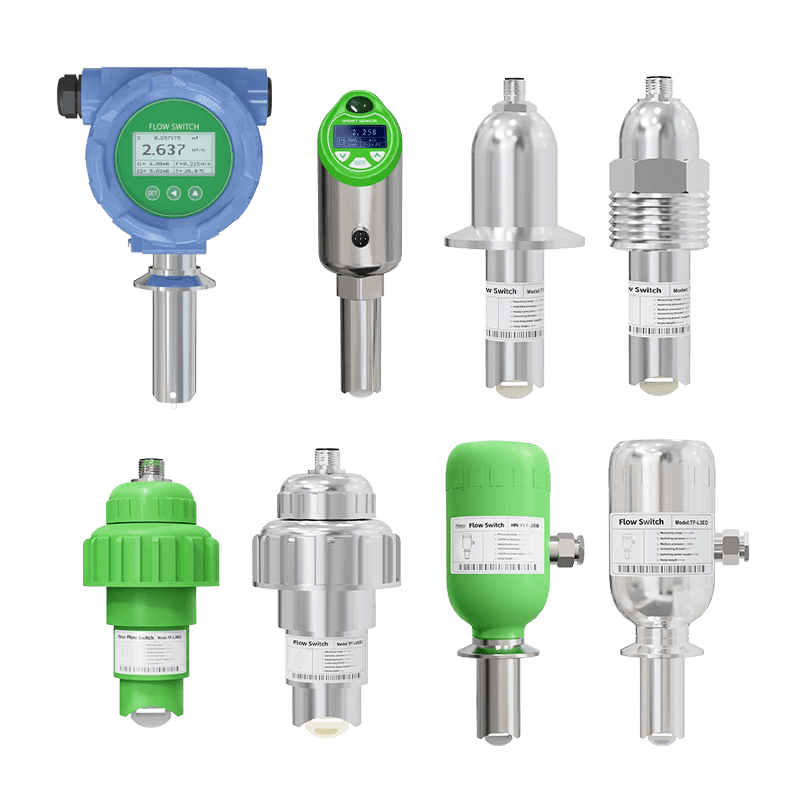
Explanation of the 4 Core Indicators of Monocrystalline Silicon Pressure Transmitters
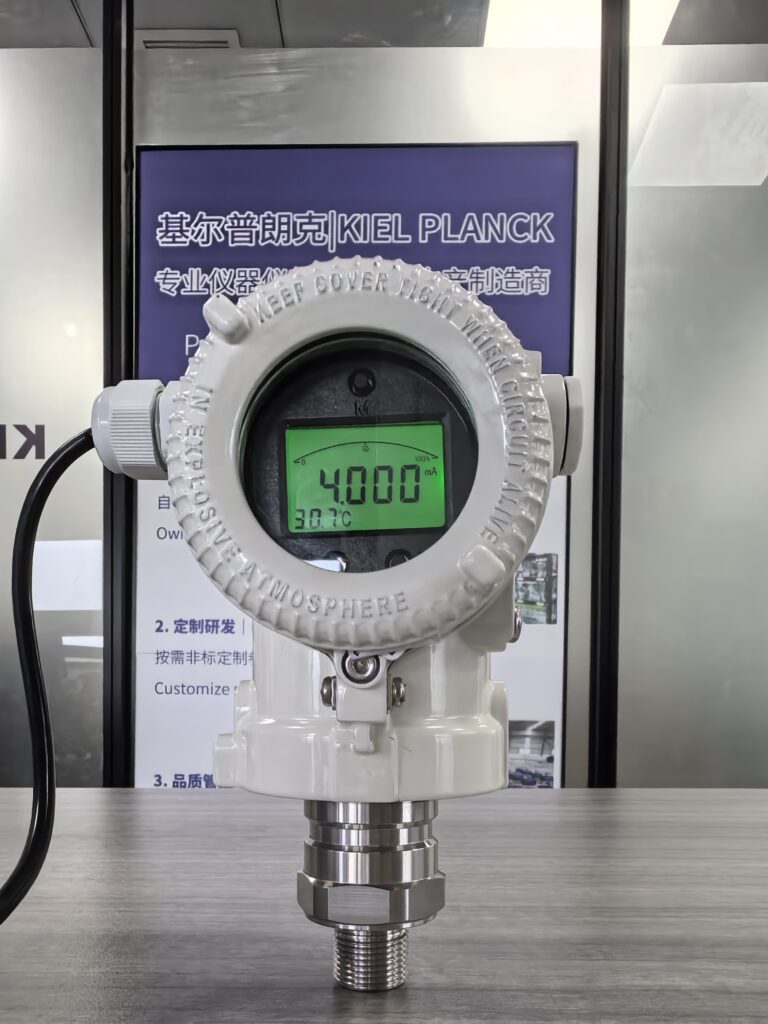
Monocrystalline silicon pressure transmitters have become the mainstream high-precision measuring instruments for industrial process control, widely applied in power plants, hydrogen energy equipment, petrochemical units and other harsh industrial scenarios. Their superior comprehensive performance distinguishes them from traditional diffused silicon transmitters, with four core indicators determining operational reliability and measurement accuracy: long-term stability, vibration resistance, low temperature drift, and high repeatability.
Monocrystalline Silicon vs. Diffused Silicon Pressure Transmitters
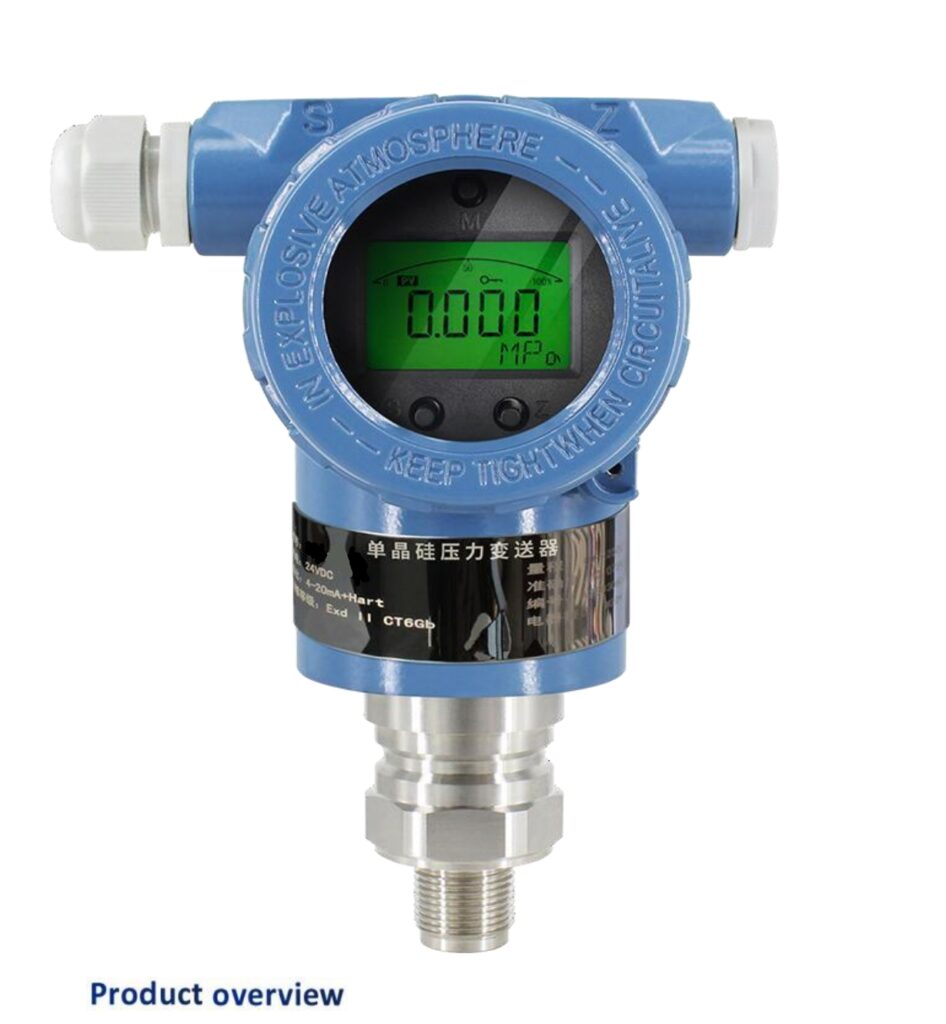
Pressure transmitters are foundational measuring instruments for industrial process control, widely used in power generation, petrochemical, hydrogen energy, and fluid monitoring systems. Monocrystalline silicon and diffused silicon transmitters are the two dominant mainstream types in the industrial market, differing significantly in chip structure, manufacturing technology, measurement performance, and environmental adaptability.
Accuracy Comparison of 0.05% vs 0.075% | Monocrystalline Silicon Pressure Transmitter
Monocrystalline silicon pressure transmitters are widely applied in high-precision industrial measurement, energy chemical, and safety interlock systems, with full-scale accuracy serving as one of the core indicators determining measurement reliability and system control precision. 0.05% FS and 0.075% FS are the two most mainstream accuracy grades for high-end monocrystalline silicon transmitters in the industrial field.
Intrinsically safe explosion-proof pressure transmitters
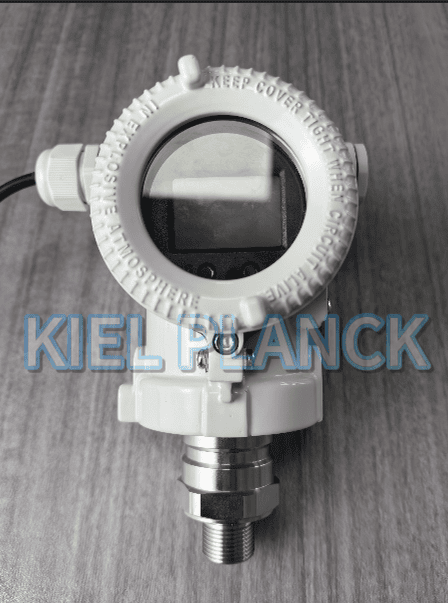
Hydrogen refueling stations and high-pressure hydrogen storage tanks belong to typical flammable and explosive hazardous working scenarios, where pressure monitoring accuracy and intrinsic safety performance directly determine system operational safety. Hydrogen features extremely low ignition energy, strong permeability and wide explosive limit range, making conventional industrial pressure transmitters unable to meet site safety specifications.
Instrumentation for water electrolysis hydrogen production equipment
Water electrolysis hydrogen production is a core green hydrogen manufacturing technology, featuring clean reaction processes, low pollution, and high purity hydrogen output, which has been widely promoted in new energy and industrial decarbonization fields. Pressure monitoring is a key link in the safe and stable operation of water electrolysis equipment, as pressure fluctuations directly affect electrolysis efficiency, hydrogen-oxygen separation safety, and unit operational stability.
How to select a pressure transmitter for a hydrogenation unit?
Hydrogenation units are core facilities in petrochemical and refining industries, operating under extreme working conditions of high pressure, high temperature, flammable hydrogen medium, and trace corrosive impurities.
Procurement Guide for Safety-Grade Instruments in Thermal Power, Nuclear Power, and Thermoelectric Power Plants
Safety‑grade pressure measurement instruments are critical components to guarantee stable operation, interlock protection and accident response for thermal power, nuclear power and thermoelectric power plants. Monocrystalline silicon pressure transmitters stand out for high measurement accuracy, outstanding long‑term stability and strong anti‑interference capability, and are widely adopted in boiler systems, steam pipelines, reactor auxiliary loops and thermal‑electric heat‑exchange units of power stations.

