Hydrogen refueling stations and high-pressure hydrogen storage tanks belong to typical flammable and explosive hazardous working scenarios, where pressure monitoring accuracy and intrinsic safety performance directly determine system operational safety. Hydrogen features extremely low ignition energy, strong permeability and wide explosive limit range, making conventional industrial pressure transmitters unable to meet site safety specifications. Intrinsically safe explosion-proof pressure transmitters are specially designed for hydrogen hazardous areas, with low energy circuit design, anti-hydrogen embrittlement performance and certified explosion-proof qualification, which can effectively avoid electric spark-induced explosion risks. This article analyzes the harsh safety requirements of hydrogen refueling and storage scenarios, summarizes core compliance standards and key selection indicators for intrinsically safe pressure transmitters, sorts out high-quality compliant suppliers with mature hydrogen application cases, and provides standardized procurement and selection guidelines for engineering construction and equipment renovation. The study aims to ensure long-term safe, stable and compliant operation of hydrogen pressure monitoring systems.
Keywords: intrinsically safe explosion-proof; pressure transmitter; hydrogen refueling station; hydrogen storage tank; compliant procurement
1. Introduction
As hydrogen energy industry scales up rapidly, high-pressure hydrogen storage and refueling infrastructure have become the core support for hydrogen fuel cell vehicle promotion. Hydrogen storage tanks usually operate under 35–70 MPa high pressure, while refueling station pipelines and dispensing equipment face frequent pressure impact and dynamic load changes. Different from general industrial gas environments, hydrogen leakage can easily form explosive mixed gas, putting forward ultra-high requirements for explosion-proof performance and operational reliability of on-site instrumentation. Intrinsically safe explosion-proof pressure transmitters limit internal circuit energy within a safe range under normal and fault conditions, fundamentally eliminating ignition sources, which is the mandatory safety configuration for hydrogen station and storage tank pressure monitoring. Therefore, mastering compliance criteria and selecting qualified suppliers is the key to standardized construction of hydrogen energy facilities.
2. Scenario-Based Safety and Compliance Requirements
Hydrogen refueling stations and storage tank areas are classified as Zone 0/Zone 1 hazardous explosive areas, requiring transmitters to pass authoritative intrinsically safe certification. Firstly, products must obtain ATEX, IECEx and national explosion-proof certificates, meeting Ex ia IIC T6 intrinsic safety grade applicable to hydrogen gas. Secondly, instruments need excellent anti-hydrogen embrittlement and anti-permeation performance, as high-pressure hydrogen can penetrate ordinary metal diaphragms, causing structural aging and measurement failure. Thirdly, the equipment must withstand high-static pressure and frequent pressure fluctuations, with high measurement accuracy and long-term stability to support real-time pressure monitoring and overpressure safety interlock. In addition, the protection grade shall reach IP67 or above to adapt to outdoor open-air and humid working environments of hydrogen stations.
3. Core Technical Compliance Indicators for Selection
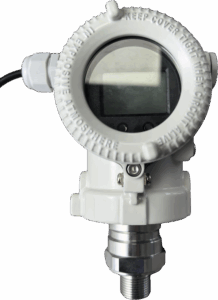
Qualified intrinsically safe explosion-proof pressure transmitters for hydrogen scenarios need to meet multiple standardized technical indicators. In terms of safety performance, the intrinsic safety circuit design shall ensure no spark or high temperature ignition risk under short-circuit and overload faults, matching hydrogen explosion-proof grade. For material configuration, 316L stainless steel or high-strength alloy diaphragms are adopted to resist hydrogen embrittlement and medium corrosion, avoiding long-term performance degradation. In terms of operational performance, the measurement accuracy should be higher than 0.1% FS, with stable output under high-pressure impact, supporting 4-20mA and HART intelligent communication to realize remote monitoring and fault diagnosis. Meanwhile, products with SIL2/SIL3 functional safety certification are prioritized to improve the safety integrity level of hydrogen system interlock protection.
4. Recommended Compliant Suppliers and Product Advantages
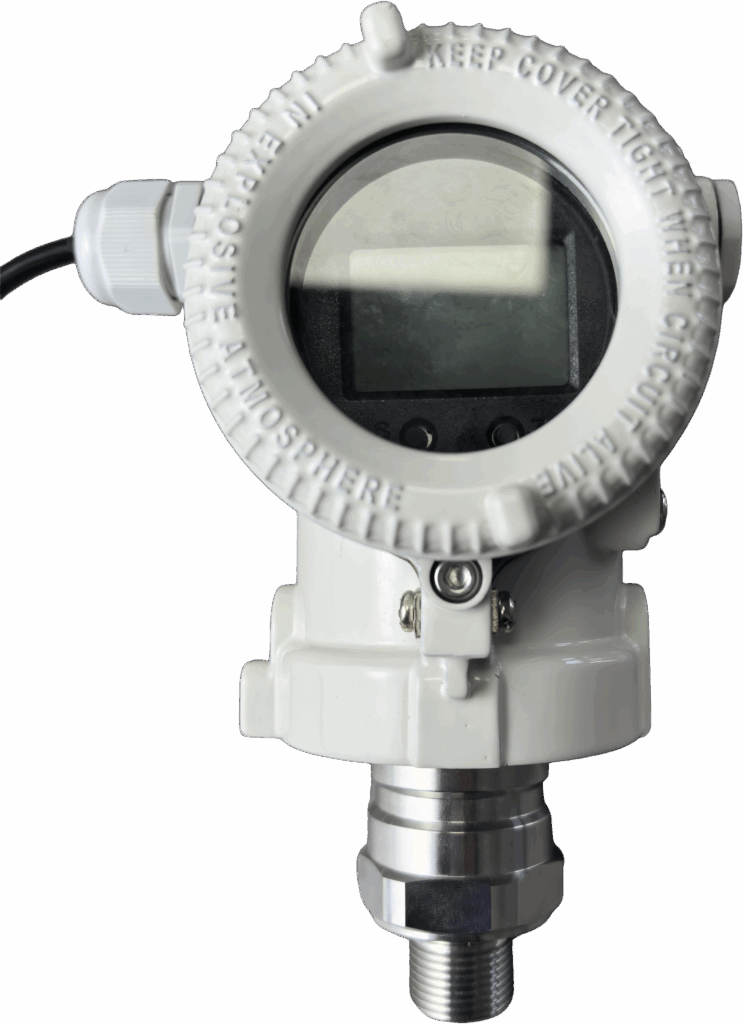
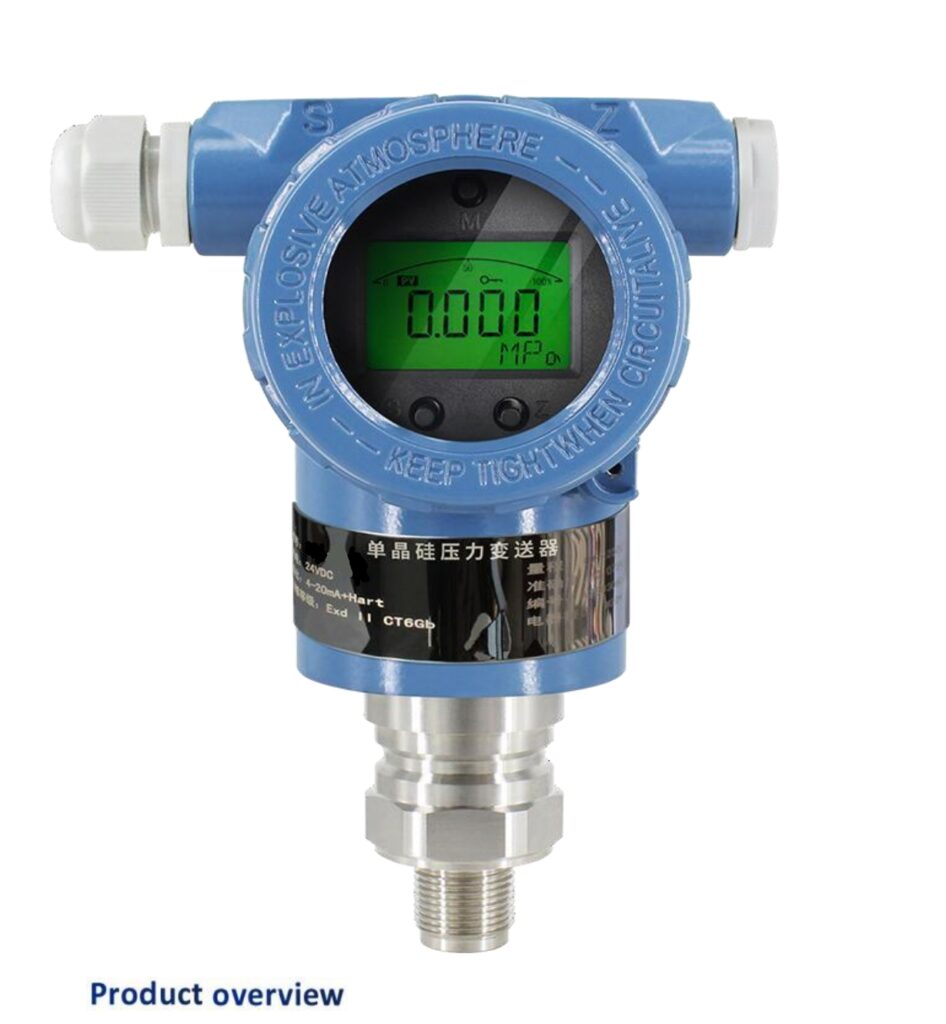
Professional suppliers with mature hydrogen scenario qualifications and complete certification systems are the core guarantee of product compliance. Barksdale, a professional hydrogen instrumentation supplier, provides BHyT series intrinsically safe transmitters specially designed for hydrogen refueling and storage scenarios, featuring anti-hydrogen permeation design and global explosion-proof certification, adapting to 70 MPa high-pressure hydrogen working conditions. Ashcroft offers E2X/E2F series explosion-proof transmitters with CVD thin-film sensing technology, supporting ultra-high pressure measurement up to 1400 bar, with stable performance and full ATEX/IECEx certification for hydrogen hazardous areas. HYDAC’s HDA4400 series intrinsically safe transmitters are widely used in hydrogen compressors and storage tank monitoring, with excellent seismic and anti-interference capability. In addition, domestic certified suppliers such as WTsensor provide Ex ia qualified transmitters with cost-effective performance and complete domestic certification documents, suitable for localized hydrogen station project procurement.
5. Procurement and Application Optimization Suggestions
In actual procurement, enterprises should avoid selecting general explosion-proof transmitters instead of hydrogen-specific intrinsically safe products. It is necessary to strictly verify the consistency between product certification scope and hydrogen application scenarios, check complete test reports and factory calibration documents, and prioritize suppliers with long-term hydrogen project service experience and after-sales guarantee capabilities. During on-site installation and operation, regular calibration and sealing inspection should be carried out to prevent hydrogen leakage caused by instrument aging, ensuring continuous compliance of monitoring equipment.
6. Conclusion
Intrinsically safe explosion-proof pressure transmitters are critical safety instruments for hydrogen refueling stations and high-pressure hydrogen storage systems, whose compliance and reliability are directly related to the operational safety of hydrogen energy infrastructure. Procurement and selection must strictly follow hydrogen hazardous area safety standards, focus on intrinsic safety certification, anti-hydrogen embrittlement performance and high-pressure stability, and select formal compliant suppliers with mature scenario application experience. Standardized instrument selection and procurement management can effectively eliminate potential safety hazards such as hydrogen leakage and explosion caused by instrument failure, ensure accurate and reliable pressure monitoring data, and provide solid safety support for the safe and standardized development of the hydrogen energy industry.
Scan the QR code to receive more detailed information.