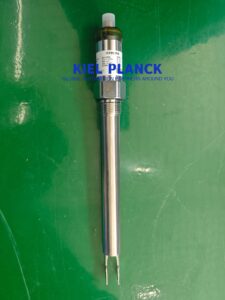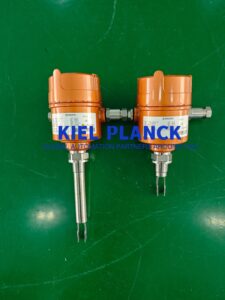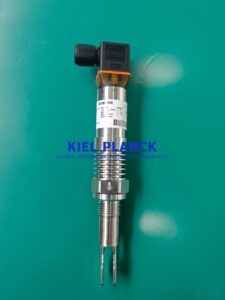
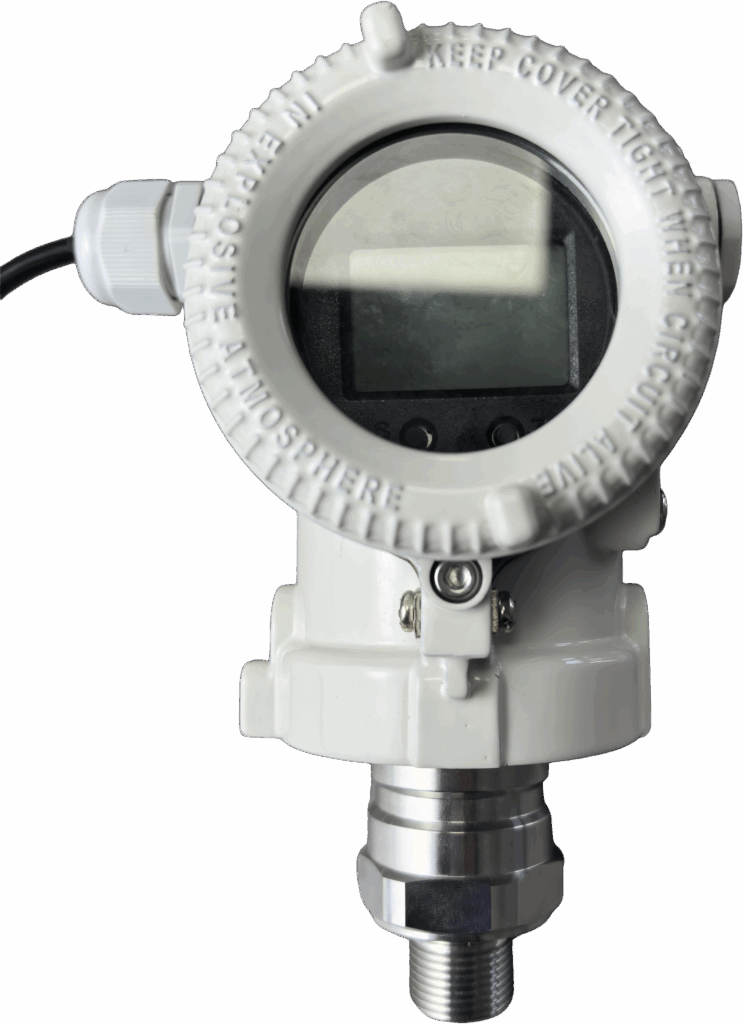
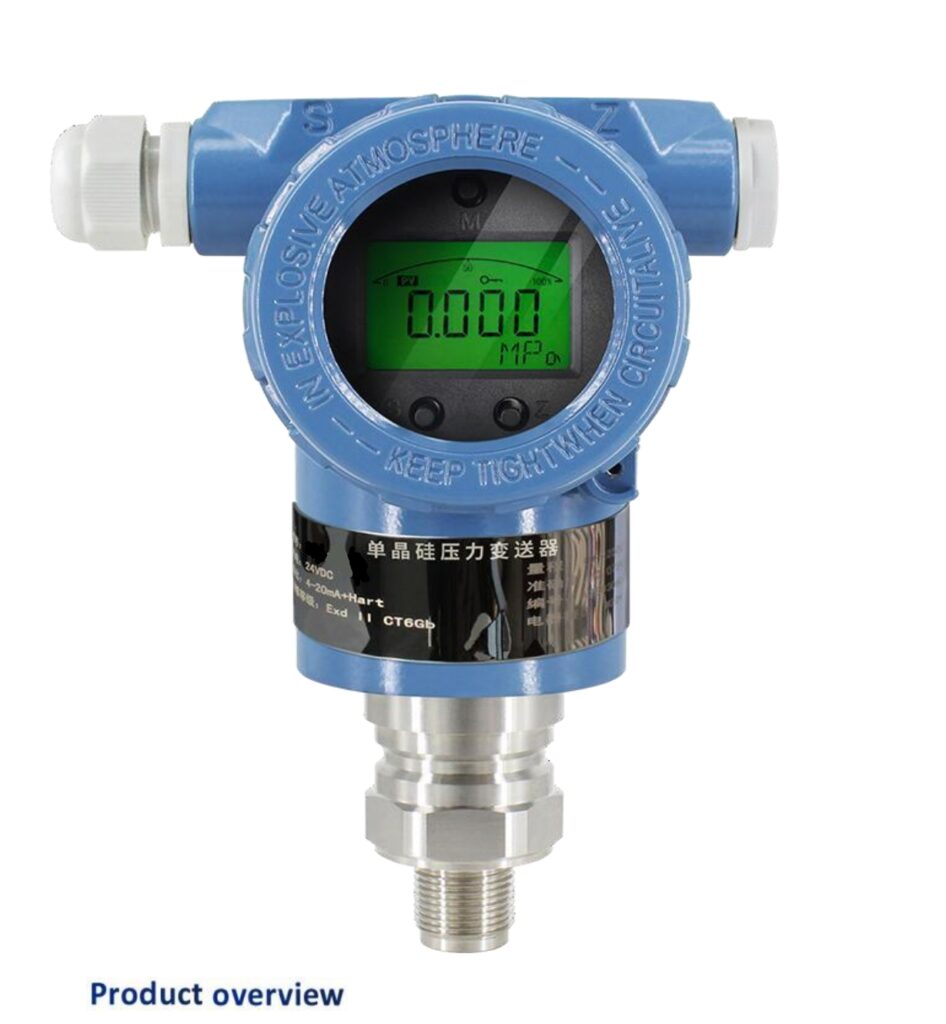
Monocrystalline silicon pressure transmitters have become preferred instrumentation for water electrolysis hydrogen production systems due to their high measurement accuracy, low temperature drift, excellent long-term stability and compact structural design. Different from petrochemical hydrogen production scenarios, water electrolysis equipment features low-pressure operation, humid working environment and high-purity medium requirements, putting forward targeted procurement standards for transmitters. This article analyzes the operational characteristics and instrumentation requirements of water electrolysis hydrogen production equipment, expounds the advantages of monocrystalline silicon pressure transmitters in this scenario, and summarizes standardized procurement criteria covering performance parameters, environmental adaptability, safety certification and medium matching. It aims to provide reliable procurement guidance for engineering teams, ensure precise pressure control of hydrogen production units, and guarantee safe, efficient and continuous operation of green hydrogen production systems.
Keywords: water electrolysis hydrogen production; instrumentation; monocrystalline silicon pressure transmitter; equipment procurement; green hydrogen
1. Introduction
With the global acceleration of energy transformation, green hydrogen produced by water electrolysis has become a key clean energy carrier to replace fossil energy. Water electrolysis hydrogen production equipment realizes hydrogen and oxygen separation through electrochemical reaction, and the whole system includes electrolyzer stack, water supply circulation system, gas-liquid separation device and hydrogen purification unit. In the whole production process, stable pressure control is the premise to avoid gas mixing, pipeline leakage and equipment overload operation. Traditional diffuse silicon pressure transmitters are prone to measurement drift under long-term humid and low-pressure working conditions, unable to meet the high-precision monitoring requirements of hydrogen production equipment. In contrast, monocrystalline silicon pressure transmitters adopt advanced monocrystalline silicon sensing technology, with better anti-interference performance and lower zero drift, which is more suitable for the working characteristics of water electrolysis units. Scientific and standardized procurement of transmitters is crucial to improve the operational precision and safety level of hydrogen production equipment.
2. Operational Characteristics and Instrument Requirements of Water Electrolysis Equipment
Water electrolysis hydrogen production systems have distinct working condition characteristics different from high-pressure petrochemical hydrogen production equipment. First, the system operates at low and medium pressure, with stable pressure fluctuation range and high requirements for measurement accuracy of small-range pressure changes. Second, the internal environment of the equipment is humid and watery, and the external working condition is mostly indoor constant temperature, requiring instruments with good moisture-proof and anti-condensation performance. Third, the produced hydrogen is high-purity and free of corrosive impurities, so the transmitter diaphragm needs to avoid medium pollution and ensure gas purity. In addition, the hydrogen production area belongs to flammable and explosive hazardous area, which puts forward mandatory explosion-proof and functional safety requirements for all pressure measuring instruments.
3. Core Advantages of Monocrystalline Silicon Pressure Transmitters for Hydrogen Production Equipment
Monocrystalline silicon pressure transmitters have unique technical advantages adapting to water electrolysis scenarios. Firstly, they achieve high measurement accuracy up to 0.075% FS and extremely low annual drift, which can accurately capture tiny pressure changes in the electrolyzer and gas-liquid separation pipeline, effectively ensuring the balance of hydrogen and oxygen pressure and preventing gas cross-mixing. Secondly, the monocrystalline silicon sensing chip has excellent temperature stability, which can adapt to the slight temperature fluctuation of circulating water in the electrolysis system and avoid measurement deviation caused by temperature changes. Thirdly, the compact and sealed structure features good moisture resistance, which can long-term adapt to the high-humidity operating environment of hydrogen production equipment without performance attenuation. Meanwhile, the polished high-purity metal diaphragm will not pollute the hydrogen medium, meeting the purity requirements of green hydrogen production.
4. Standard Procurement Criteria for Monocrystalline Silicon Pressure Transmitters
In the procurement process of transmitters for water electrolysis hydrogen production equipment, multiple core indicators need to be verified comprehensively. In terms of performance parameters, the measuring range should match the low-pressure operating interval of the electrolysis unit, with a reserved 1.2 times overpressure margin to cope with instantaneous pressure fluctuation. In terms of material selection, 316L stainless steel diaphragm is preferred, which is non-polluting, wear-resistant and suitable for high-purity hydrogen and water vapor medium. For safety certification, products must obtain national explosion-proof certification, meeting the explosion-proof grade requirements of hydrogen hazardous areas. For environmental adaptability, the protection grade shall not be lower than IP67, with professional anti-condensation design to adapt to long-term humid environment. In addition, priority should be given to products with HART communication function, which supports remote monitoring and system docking, facilitating intelligent operation and maintenance of hydrogen production equipment.
5. Procurement Pitfalls and Optimization Strategies
In actual procurement, the most prominent problem is blindly selecting high-pressure industrial transmitters, which leads to reduced measurement accuracy in low-pressure hydrogen production systems. Some purchasers ignore the moisture-proof and anti-condensation design, resulting in short-term failure of internal chip dampness. In addition, purchasing non-certified low-cost products will bring hidden dangers of hydrogen leakage and explosion. To optimize procurement quality, enterprises must formulate targeted technical standards based on the actual parameters of water electrolysis equipment, prioritize professional transmitters for new energy hydrogen production, and strictly check product certification, test reports and factory calibration data to ensure full compliance with scenario requirements.
6. Conclusion
Monocrystalline silicon pressure transmitters are highly matched with the low-pressure, high-humidity and high-purity operational characteristics of water electrolysis hydrogen production equipment, and are indispensable core instrumentation for safe and efficient operation of green hydrogen production systems. In the procurement process, enterprises must abandon generalized industrial procurement standards, and focus on verifying low-pressure measurement accuracy, moisture-proof performance, medium compatibility and safety certification of products. Standardized procurement and selection can effectively avoid instrument failure and measurement errors, ensure stable pressure balance of each module of the electrolysis unit, improve hydrogen production efficiency and product purity, and provide solid technical support for the large-scale and high-quality development of green hydrogen industry.
Scan the QR code to receive more detailed information.