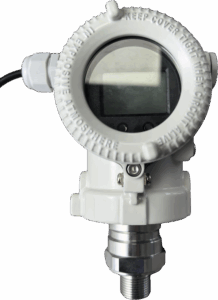
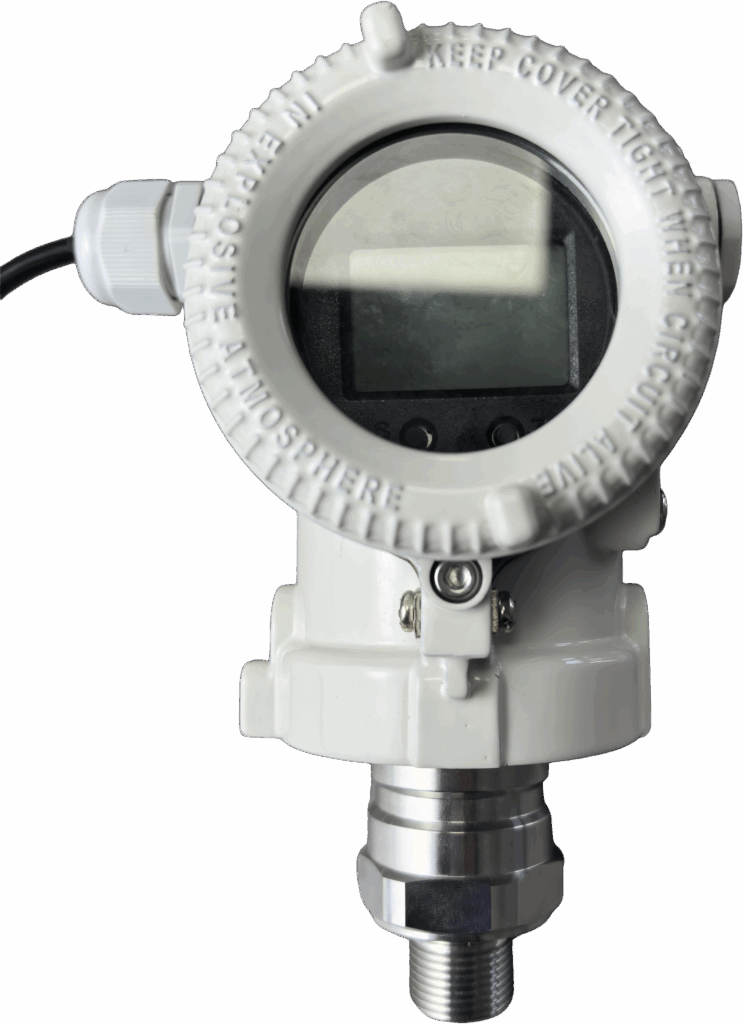
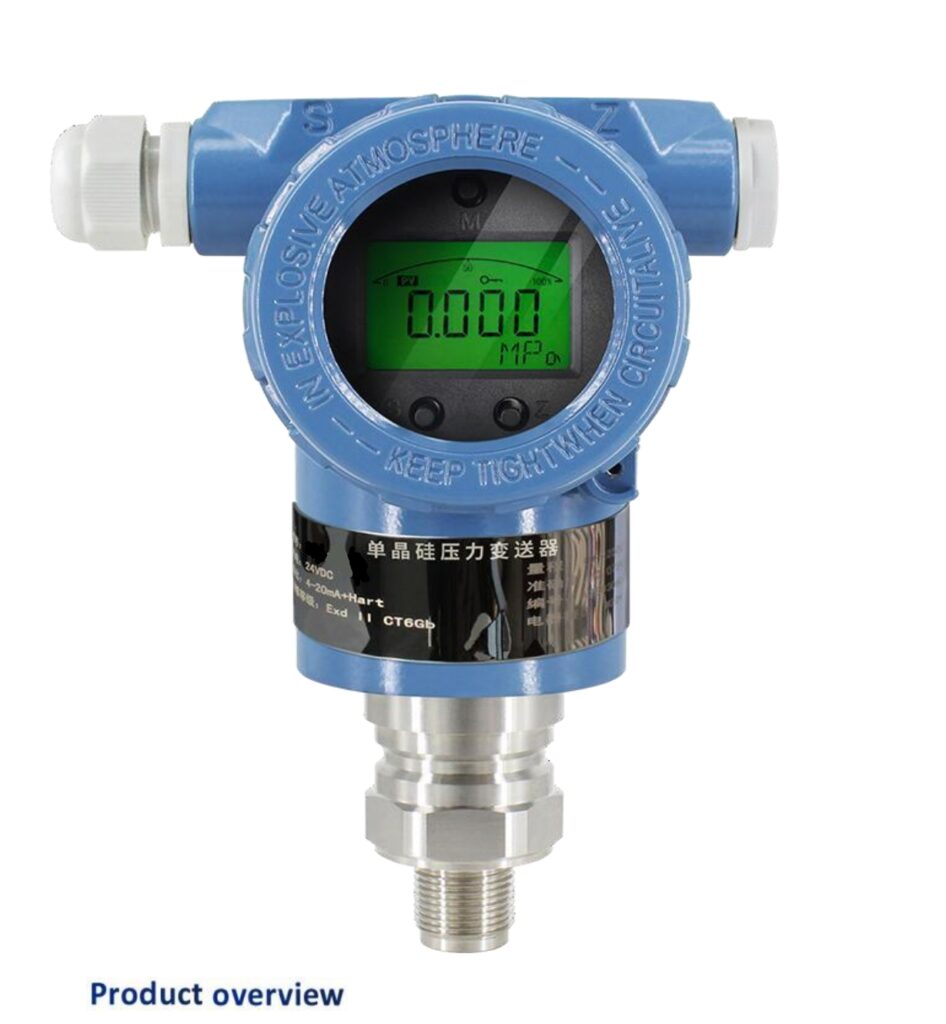
Monocrystalline silicon pressure transmitters have become the mainstream high-precision measuring instruments for industrial process control, widely applied in power plants, hydrogen energy equipment, petrochemical units and other harsh industrial scenarios. Their superior comprehensive performance distinguishes them from traditional diffused silicon transmitters, with four core indicators determining operational reliability and measurement accuracy: long-term stability, vibration resistance, low temperature drift, and high repeatability. These key performances directly affect the precision of process monitoring, the stability of safety interlock systems and the long-term operating cost of industrial equipment. This article elaborates on the technical principles and industrial application values of the four core performance indicators of monocrystalline silicon pressure transmitters, analyzes their advantages in complex working conditions, and summarizes the guiding significance of core indicators for instrument selection, procurement and on-site operation. The research aims to provide professional technical reference for engineering practitioners to optimize instrument configuration and ensure stable operation of industrial pressure measurement systems.
Keywords: monocrystalline silicon pressure transmitter; long-term stability; vibration resistance; low temperature drift; measurement repeatability
1. Introduction
Industrial production scenarios are usually accompanied by high temperature, mechanical vibration, temperature fluctuation and long-term continuous operation, which put forward extremely strict requirements on the comprehensive performance of pressure transmitters. Ordinary diffused silicon transmitters are prone to measurement drift, data deviation and performance aging under long-term harsh working conditions, requiring frequent calibration and replacement, which increases operational risks and maintenance costs. Relying on integrated monocrystalline silicon chip manufacturing technology and optimized structural design, monocrystalline silicon pressure transmitters excel in four core performances, solving the pain points of traditional instruments. A systematic understanding of these core indicators is essential for scientific model selection, standardized procurement and efficient on-site application of high-precision pressure transmitters.
2. Analysis of Four Core Performance Indicators
2.1 Long-term Stability
Long-term stability refers to the ability of transmitters to maintain consistent measurement accuracy after long-term continuous operation, which is the most core advantage of monocrystalline silicon products. Benefiting from the uniform molecular structure and no residual internal stress of monocrystalline silicon chips, the annual measurement drift can be controlled within 0.1% FS, far lower than that of diffused silicon transmitters. This performance enables the instrument to operate stably for 2–3 years without recalibration, effectively reducing downtime maintenance frequency and ensuring long-term reliable monitoring of core process loops and safety interlock loops in power, chemical and hydrogen energy industries.
2.2 Vibration Resistance
Most industrial equipment such as compressors, pumps and turbine units generate continuous mechanical vibration, which easily causes structural loosening and sensing signal fluctuation of ordinary transmitters. Monocrystalline silicon pressure transmitters adopt integral chip packaging and anti-vibration structural optimization design, with strong resistance to mechanical vibration and impact. They can adapt to high-vibration working environments of industrial units, avoid data jitter and measurement deviation caused by vibration, and guarantee the continuity and stability of real-time pressure signal output.
2.3 Low Temperature Drift
Ambient and medium temperature changes are the main factors causing measurement errors of pressure transmitters. Traditional transmitters produce obvious zero drift and sensitivity drift under alternating high and low temperatures. Equipped with precise dynamic temperature compensation algorithms and high-consistency sensing chips, monocrystalline silicon transmitters achieve extremely low temperature drift. They can maintain accurate measurement in the temperature range of -40°C to 85°C, effectively eliminating measurement errors caused by environmental temperature changes and adapting to complex temperature variable industrial scenarios.
2.4 High Measurement Repeatability
Measurement repeatability refers to the consistency of multiple measurement results under the same working condition, which is a key indicator to judge the precision level of instruments. The integrated manufacturing process of monocrystalline silicon chips ensures minimal differences in repeated pressure sensing. Its repeatability error is less than 0.03% FS, which can accurately capture tiny pressure fluctuations in industrial processes. This indicator is crucial for precision closed-loop control of chemical reactions, hydrogen production equipment and power system regulation.
3. Industrial Application Value and Selection Guidance
The four core performances complement each other and jointly determine the excellent comprehensive adaptability of monocrystalline silicon pressure transmitters in harsh industrial scenarios. Long-term stability reduces operation and maintenance costs, vibration resistance ensures on-site operational adaptability, low temperature drift guarantees environmental anti-interference ability, and high repeatability supports high-precision process control. In engineering procurement and selection, practitioners should take these four indicators as key evaluation standards, prioritize products with excellent comprehensive performance for core safety loops and precision control loops, and avoid performance mismatch caused by only focusing on nominal accuracy parameters.
4. Conclusion
Long-term stability, vibration resistance, low temperature drift and high repeatability are the four core performance indicators that define the high-quality level of monocrystalline silicon pressure transmitters, and also the fundamental reasons for their wide application in high-end industrial fields. Compared with traditional transmitters, monocrystalline silicon products have obvious technical advantages in anti-interference, long-term operation and precision maintenance. Mastering these core indicators can guide scientific instrument selection and standardized application, effectively avoid measurement errors and equipment failures caused by insufficient performance, ensure the safe, stable and efficient operation of various industrial process systems, and provide reliable instrument support for intelligent and high-precision industrial production.
Scan the QR code to receive more detailed information.