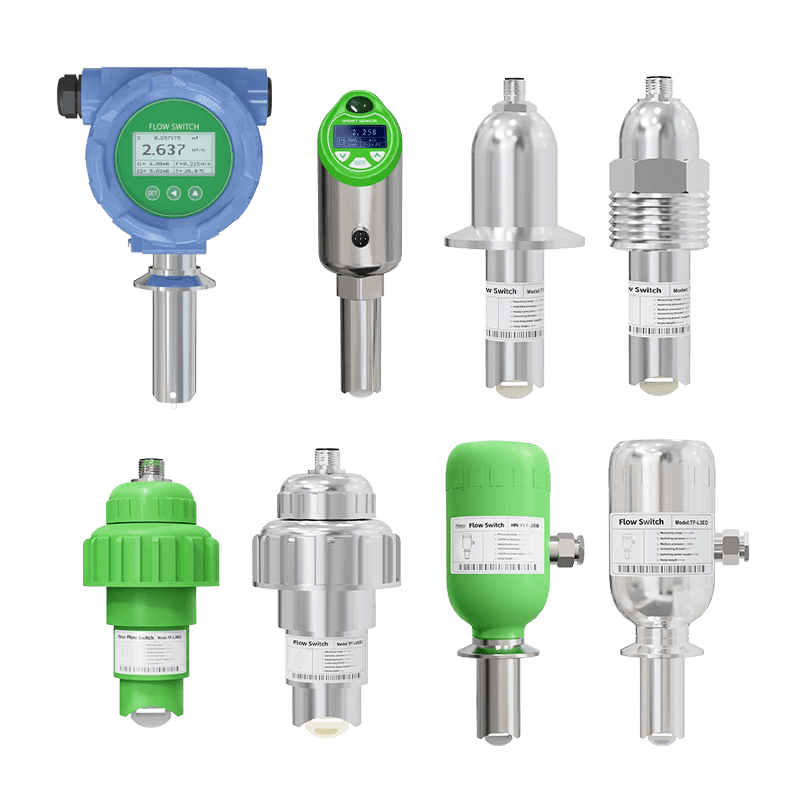
This article analyzes the core measurement pain points of lye circulation in water electrolysis hydrogen production, expounds the targeted anti-corrosion material configuration schemes of electromagnetic flow meters, and summarizes practical precision monitoring strategies for alkaline circulation loops. It provides standardized technical references for stable operation, energy consumption optimization and long-term service life improvement of industrial hydrogen production equipment.
1. Introduction
With the rapid expansion of the green hydrogen industry, alkaline water electrolysis technology has become the mainstream industrial hydrogen production route due to its low cost, high stability and equipment maturity. The lye closed circulation system is the core functional unit of electrolyzers, where continuous and stable flow directly determines current density uniformity, electrolysis temperature balance and hydrogen production consistency. However, high-temperature and high-concentration alkaline media have dual characteristics of strong corrosion and easy scaling. Traditional turbine and vortex flow meters with metal vulnerable parts are quickly corroded and invalid, while ordinary electromagnetic flow meters with mismatched materials suffer from lining cracking and electrode passivation. Therefore, professional anti-corrosion electromagnetic flow meters have become the standard configuration for precise lye circulation monitoring in modern electrolysis hydrogen production projects.
2. Typical Monitoring Pain Points of Lye Circulation in Electrolysis Hydrogen Production
The lye circulation process presents three major harsh working condition characteristics that restrict flow measurement accuracy. First, high-concentration alkaline liquid causes severe chemical corrosion. Long-term scouring of NaOH and KOH solutions will erode common metal materials, leading to electrode thinning and structural damage. Second, alkaline media are prone to crystallization and scaling. Precipitated alkali crystals easily adhere to sensor surfaces, covering electrodes and isolating induction signals, resulting in declining measurement sensitivity. Third, the system operates continuously with frequent temperature fluctuations, which accelerates the aging of ordinary rubber and polyurethane linings, causing deformation, peeling and medium leakage. These problems lead to inaccurate flow feedback, unbalanced electrolytic reactions, increased energy consumption and even unplanned shutdowns of hydrogen production equipment.
3. Core Anti-Corrosion Configuration of Electromagnetic Flow Meters for Lye Working Conditions
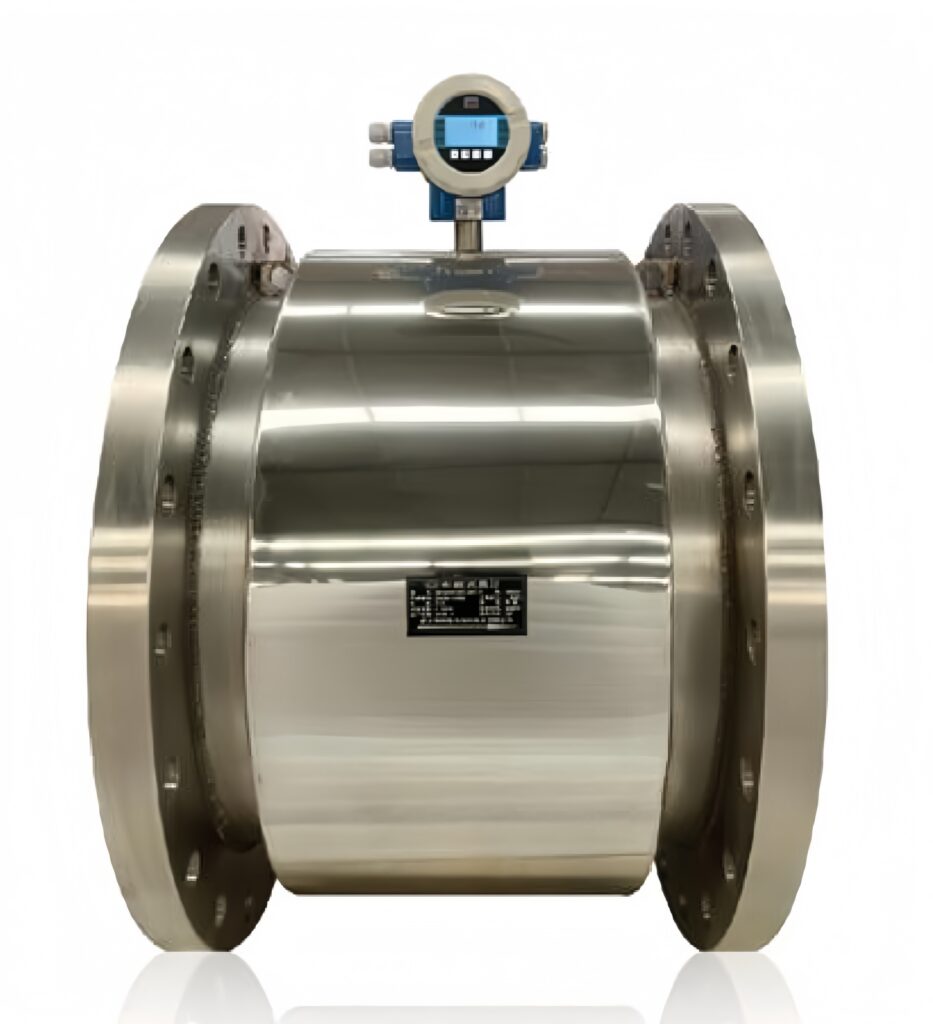
To adapt to alkaline electrolysis environments, electromagnetic flow meters require professional customized lining and electrode matching schemes. In terms of lining materials, PTFE or PFA fluoroplastic linings are the only reliable choices. These materials resist erosion from high-temperature and high-concentration alkalis, maintaining stable insulation and mechanical toughness after long-term immersion. Rubber and polyurethane linings are strictly prohibited, as they will rapidly age and crack in alkaline environments. For electrode configuration, tantalum or high-grade Hastelloy electrodes are prioritized for concentrated lye monitoring, which effectively resist alkaline corrosion and prevent surface passivation. Ordinary 316L stainless steel electrodes are not applicable due to poor alkali resistance. In addition, optional scraper electrodes can remove surface alkali scale in real time, ensuring long-term stable signal induction.
4. Practical Application Advantages in Electrolysis Lye Circulation Monitoring
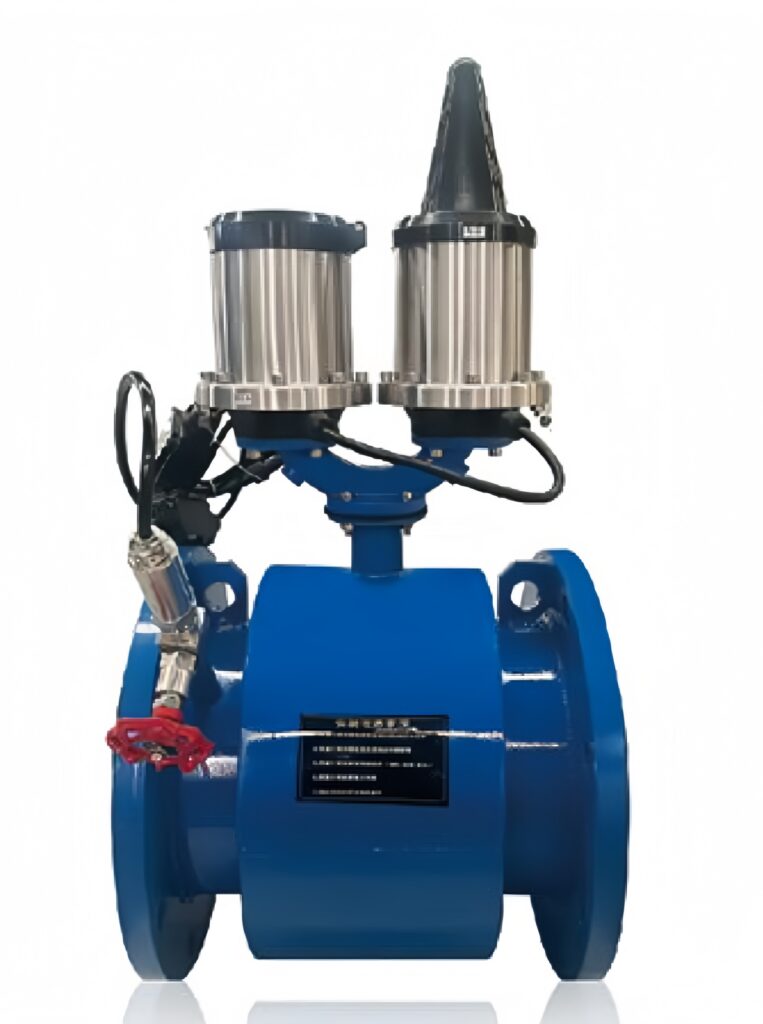
Professionally configured anti-corrosion electromagnetic flow meters have unique application advantages in hydrogen production lye systems. Firstly, the non-mechanical structure completely eliminates wear and blockage risks, adapting to 24-hour continuous circulating operation of electrolyzers. Secondly, the customized anti-corrosion configuration fundamentally solves electrode corrosion and lining aging problems, greatly extending equipment service life and reducing maintenance costs. Thirdly, the meter maintains high measurement linearity in low-flow and variable-temperature scenarios, accurately capturing real-time flow fluctuations during electrolyzer startup, load adjustment and stable operation. Accurate flow data feeds back to the control system to adjust circulating pump frequency, ensuring matching flow rate and electrolysis current, optimizing reaction efficiency and reducing invalid energy consumption.
5. Conclusion
Anti-corrosion electromagnetic flow meters provide a targeted and reliable precision monitoring solution for lye circulation systems in water electrolysis hydrogen production. Through scientific matching of PTFE/PFA anti-alkali linings and corrosion-resistant electrodes, they effectively solve the industry pain points of medium corrosion, scale interference and inaccurate dynamic measurement in alkaline working conditions. Stable flow monitoring ensures balanced operation of electrolytic reactions, improves hydrogen production efficiency and reduces equipment failure rates. As the green hydrogen industry develops toward large-scale and intelligent production, specially configured anti-corrosion electromagnetic flow meters will become essential supporting equipment for alkaline electrolysis hydrogen production systems, empowering the high-efficiency and low-consumption development of the hydrogen energy industry.
Scan the QR code to receive more detailed information.