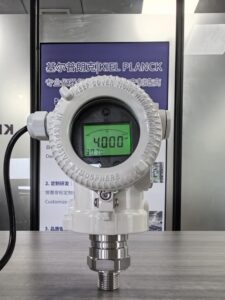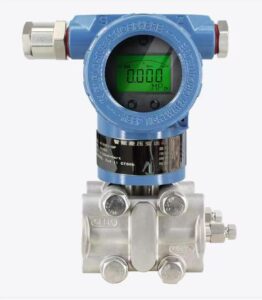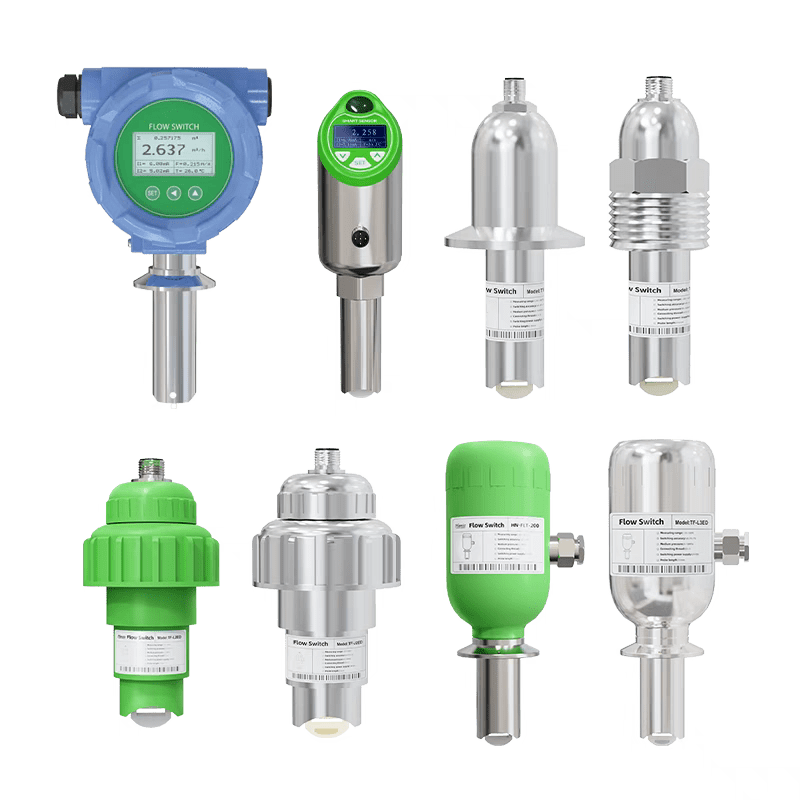
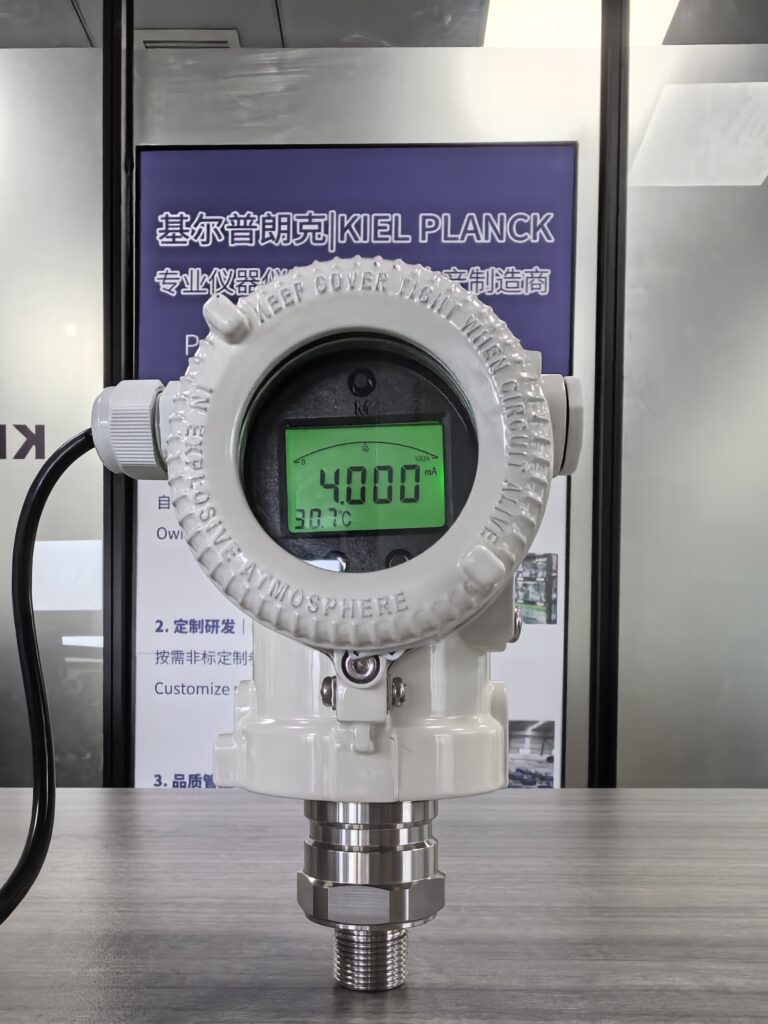
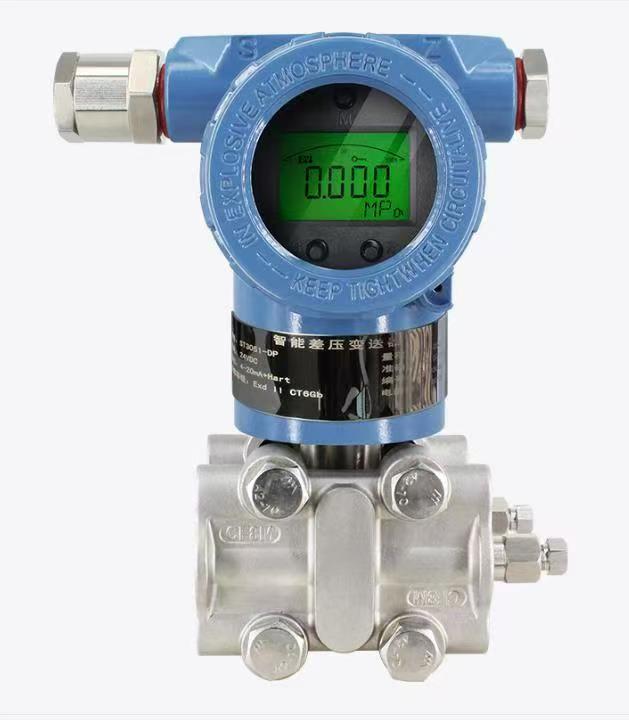
Pressure transmitters play an important role in lithium battery manufacturing and battery energy storage systems. They help monitor pressure changes in industrial processes, improve equipment control, and support safe and stable operation.
Their applications vary depending on the battery technology, production process, and system design.
1. Cooling System Pressure Monitoring
Battery energy storage systems often use liquid cooling to control battery temperature.
Pressure transmitters can be installed in cooling pipelines to monitor:
Cooling water or coolant pressure
Pump outlet pressure
Pipeline pressure changes
Filter blockage and abnormal pressure drops
Stable pressure helps operators identify cooling system problems and maintain reliable heat management.
2. Hydraulic System Monitoring
Some battery production equipment uses hydraulic systems to control mechanical movements.
Pressure transmitters can monitor hydraulic pressure in:
Hydraulic presses
Battery assembly equipment
Industrial forming machines
Automated production lines
Accurate pressure feedback helps equipment maintain consistent operating conditions.
3. Gas Supply and Process Monitoring
Lithium battery manufacturing involves various process gases and gas supply systems.
Pressure transmitters may be used to monitor gas pipeline pressure, gas supply equipment, and pressure conditions in selected process systems.
For applications involving corrosive or high-purity gases, wetted material compatibility and sealing design must be carefully evaluated.
4. Vacuum System Monitoring
Vacuum equipment is used in several lithium battery manufacturing processes, including drying and selected material processing operations.
Vacuum pressure transmitters can monitor vacuum levels and help operators identify abnormal pressure changes or vacuum system leakage.
5. Electrolyte and Chemical Process Equipment
In chemical preparation, storage, and transfer systems, pressure transmitters can monitor pipeline and vessel pressure.
For corrosive, viscous, or crystallizing media, diaphragm seals may be considered to protect the sensing element from direct contact with the process medium.
How to Select a Suitable Pressure Transmitter
Before selecting a pressure transmitter, confirm:
Pressure range and maximum operating pressure
Process medium and chemical compatibility
Operating temperature
Required accuracy and stability
Output signal and electrical connection
Installation method and environmental conditions
Conclusion
Pressure transmitters are useful instruments in battery manufacturing and energy storage equipment. Their applications include cooling systems, hydraulic equipment, gas supply, vacuum systems, and chemical processes.
The correct model should be selected according to the actual process conditions rather than the industry name alone.
Scan the QR code to receive more detailed information.