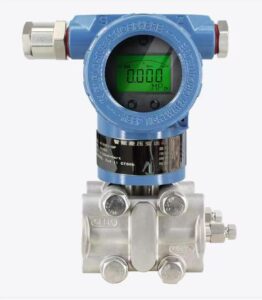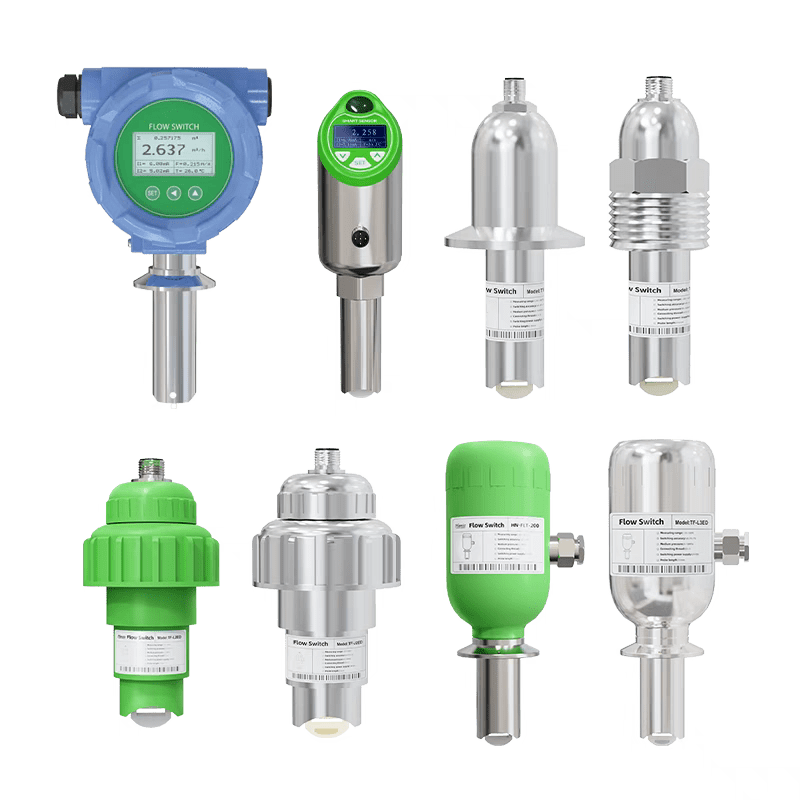
A pressure transmitter installed on a reactor must operate reliably under changing pressure, temperature, and process conditions.
Choosing a model based only on the nominal pressure range may lead to measurement errors, maintenance problems, or premature instrument failure.
Before purchasing a reactor pressure transmitter, confirm these five key parameters.
1. Operating Pressure and Pressure Range
First, identify the normal operating pressure, minimum pressure, maximum pressure, and possible pressure fluctuations.
For vacuum applications, confirm whether the process requires gauge pressure, absolute pressure, or compound pressure measurement.
The selected range should provide sufficient measurement resolution while safely accommodating the expected operating conditions.
2. Process Temperature
Reactor temperature may change significantly during heating, cooling, and chemical reactions.
Confirm:
Normal operating temperature
Maximum process temperature
Minimum process temperature
Temperature fluctuations
Ambient temperature around the transmitter
If the process temperature exceeds the instrument’s allowable limits, a diaphragm seal or suitable capillary arrangement may be required.
3. Process Medium
The chemical properties of the medium directly affect material selection.
Check whether the medium is:
Corrosive
Viscous
Crystallizing
Containing suspended solids
Likely to polymerize or solidify
For difficult media, consider compatible wetted materials and diaphragm seal designs.
4. Measurement Accuracy and Stability
Different reactor processes have different measurement requirements.
For example, general process monitoring may not require the same accuracy as precise pressure control or batch process monitoring.
Check the required accuracy, long-term stability, repeatability, and measurement range.
Do not compare accuracy figures without confirming their definitions and reference conditions.
5. Process Connection and Output Signal
Confirm the installation connection before ordering.
Important details include:
Threaded or flange connection
Flange standard and size
Diaphragm seal requirements
Electrical connection
4–20 mA or other required output
HART or other communication protocol, if needed
Conclusion
Selecting a reactor pressure transmitter requires more than choosing a pressure range.
Confirming pressure, temperature, medium, accuracy, and connection details helps engineers select an instrument that matches the actual process and reduces future maintenance risks.
Scan the QR code to receive more detailed information.