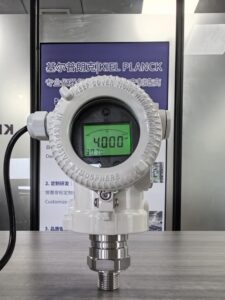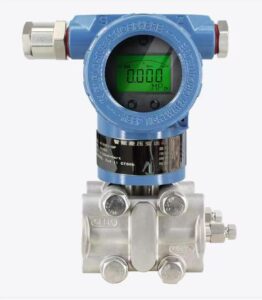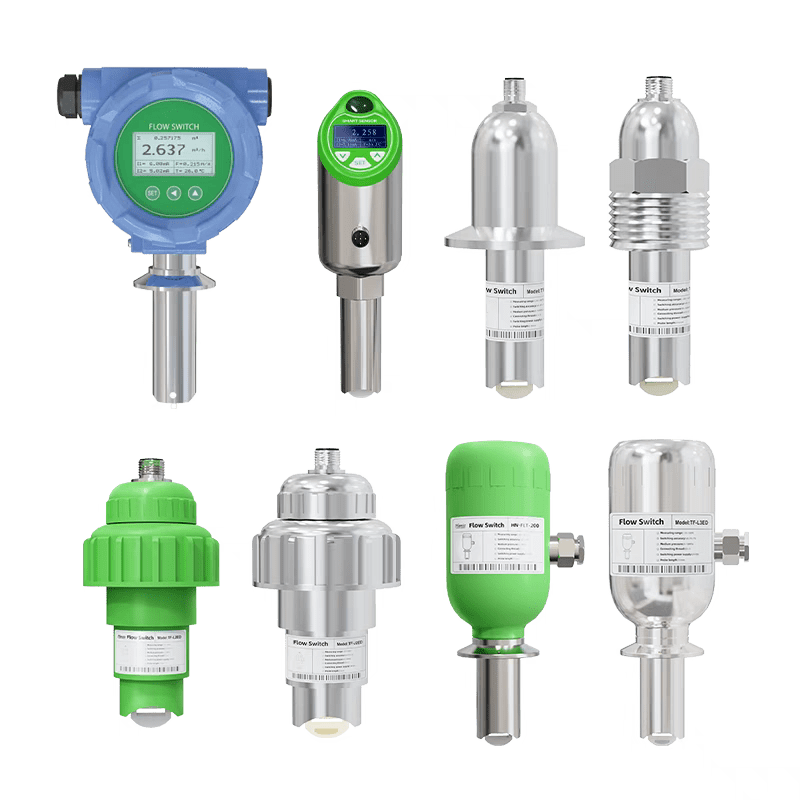
Industrial instrument procurement involves more than selecting a product and agreeing on a price.
For equipment manufacturers and engineering companies, delivery delays can affect project schedules, while unclear warranty conditions may create disputes after installation.
Spare-part availability also matters because industrial instruments are often expected to operate continuously.
Before signing a purchasing contract, buyers should pay particular attention to three areas.
1. Delivery Time: Define More Than a Delivery Date
A supplier may promise delivery within a certain number of days.
However, buyers should clarify exactly what the delivery commitment includes.
Important details include:
Production lead time.
Technical drawing approval.
Custom configuration confirmation.
Factory inspection.
Calibration and testing.
Packaging.
Shipment arrangements.
For customized pressure transmitters, the production schedule may depend on material selection, process connections, diaphragm seals, or special certifications.
The contract should define when the lead time begins and what happens if delivery is delayed.
For large projects, consider arranging partial deliveries according to the installation schedule.
2. Warranty: Clarify Responsibilities in Advance
A warranty clause should clearly describe the supplier’s responsibilities.
Buyers should confirm:
Warranty period: When does the warranty start? Is it calculated from shipment, delivery, or commissioning?
Coverage: Does the warranty include manufacturing defects, electronic failures, or sensor-related problems?
Exclusions: Are incorrect installation, improper operation, unauthorized modification, and unsuitable process conditions excluded?
Claims procedure: What documents and test information are required when reporting a problem?
Repair or replacement: Will the supplier repair the product, replace it, or provide another agreed solution?
Clear warranty terms help reduce misunderstandings between buyers and suppliers.
3. Spare Parts: Consider the Product Lifecycle
For industrial equipment manufacturers, spare parts are an important part of after-sales support.
Before purchasing, ask the supplier:
Are replacement electronic modules available?
Can spare sensors or assemblies be supplied?
Are process connection components available?
What is the typical spare-part lead time?
Can the supplier support products after the original model is discontinued?
For critical applications, consider purchasing recommended spare parts together with the initial equipment order.
4. A Practical Contract Checklist
| Contract Item | Recommended Confirmation |
|---|---|
| Product specification | Exact model and configuration |
| Delivery time | Defined production and shipment schedule |
| Inspection | Agreed testing and acceptance criteria |
| Documentation | Datasheets and calibration records |
| Warranty | Period, coverage, and exclusions |
| Spare parts | Availability and lead time |
| Technical support | Response and service arrangements |
| Packaging | Export packaging requirements |
5. Why These Terms Affect Total Procurement Cost
A low purchase price may be attractive, but a delayed shipment can hold up an entire equipment project.
Similarly, an unclear warranty can increase dispute costs, and unavailable spare parts can extend equipment downtime.
These commercial risks should be considered alongside the technical specifications.
Conclusion
For industrial instrument procurement, price is only one part of the purchasing decision.
Delivery commitments, warranty responsibilities, and spare-part availability directly affect project execution and long-term operating costs.
A well-written contract protects both the buyer and the manufacturer by defining responsibilities before problems occur.
Before purchasing pressure transmitters, flowmeters, or level instruments, make sure these three terms are clearly agreed upon.
Scan the QR code to receive more detailed information.