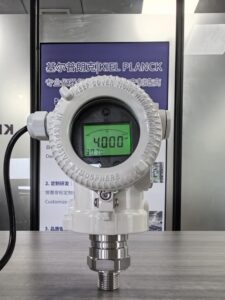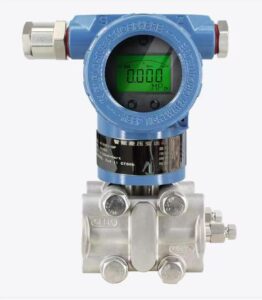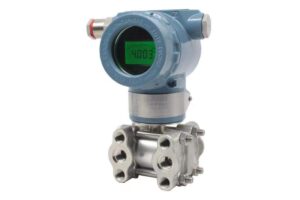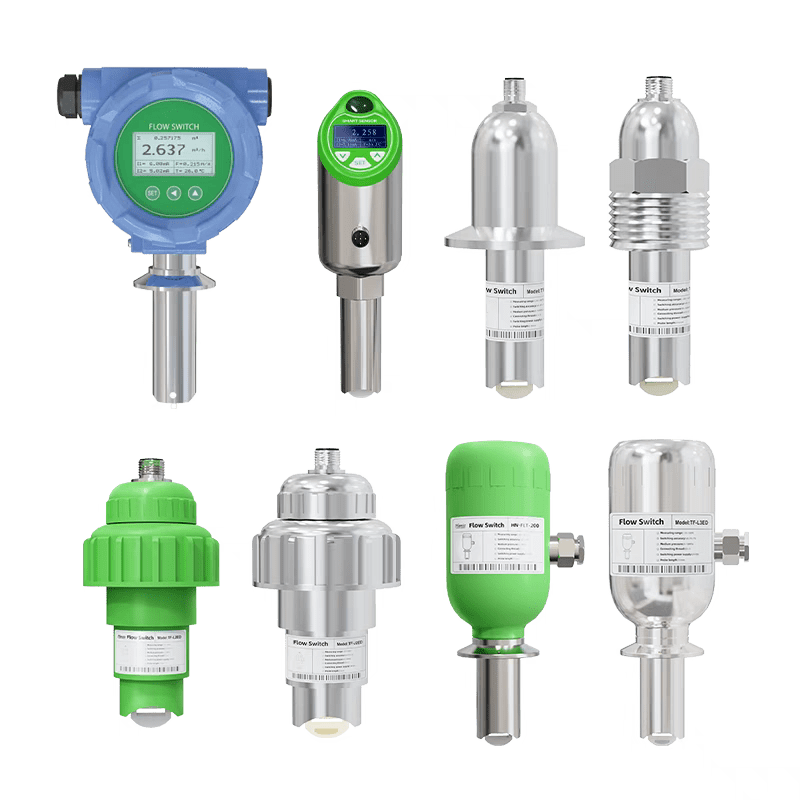
Pressure transmitters are widely used in industrial process control.
Although the same transmitter model may appear suitable for several applications, actual operating conditions can vary significantly.
A transmitter installed in a chemical reactor may face corrosive media, while an instrument used in water treatment may experience humidity and continuous operation.
In metallurgy, vibration and high ambient temperatures may become more important.
Understanding these differences helps engineers select suitable instruments.
1. Chemical Processing: Focus on Material Compatibility
Chemical plants handle a wide range of liquids and gases.
Some process media may be corrosive, viscous, or chemically reactive.
When selecting a single-crystal silicon pressure transmitter, consider:
Wetted materials: Check the compatibility of the isolation diaphragm, process connection, and seals.
Temperature: Confirm both process temperature and ambient temperature limits.
Pressure fluctuations: Evaluate pressure surges during pumping, valve operation, and process changes.
Diaphragm seals: For viscous, corrosive, or crystallizing media, a suitable diaphragm seal may be required.
Explosion protection: Determine whether the installation is located in a classified hazardous area.
The sensor technology is only one part of the selection process. The complete process-contact structure must be suitable.
2. Water Treatment: Focus on Corrosion and Continuous Operation
Water treatment facilities commonly use pressure transmitters in:
Water supply pipelines.
Pumping stations.
Filtration systems.
Wastewater treatment equipment.
Reverse osmosis systems.
Industrial circulation systems.
Important selection considerations include:
Medium compatibility: Check whether the water contains chemicals, salts, suspended solids, or other substances that may affect wetted materials.
Protection rating: Consider moisture, dust, and outdoor installation conditions.
Pressure changes: Evaluate pump start-up, shutdown, and possible water hammer.
Measurement range: Select a range appropriate for normal and maximum operating pressure.
Maintenance: Consider installation accessibility and calibration requirements.
3. Metallurgy: Focus on Harsh Operating Conditions
Metallurgical facilities often have demanding production environments.
Pressure transmitters may be installed in hydraulic systems, cooling water systems, gas pipelines, and process equipment.
Important factors include:
High ambient temperature.
Mechanical vibration.
Pressure fluctuations.
Dust and moisture.
Electrical interference.
Installation location.
Where process temperatures exceed the transmitter’s direct exposure limits, suitable impulse lines or diaphragm seal arrangements may be needed.
The complete installation design should be reviewed.
4. Industry Comparison
| Selection Factor | Chemical Processing | Water Treatment | Metallurgy |
|---|---|---|---|
| Main concern | Corrosion and compatibility | Moisture and water quality | Harsh environment |
| Materials | Critical | Important | Application-dependent |
| Temperature | Process-dependent | Usually moderate | May be high |
| Vibration | Equipment-dependent | Pump-related | Often significant |
| Pressure fluctuations | Process-dependent | Pump and pipeline-related | Hydraulic and process-related |
| Protection | Hazardous-area requirements where applicable | Outdoor and moisture protection | Dust, heat and vibration protection |
5. Information to Provide Before Purchasing
To select a suitable transmitter, provide the manufacturer with:
Process medium.
Measurement range.
Normal and maximum pressure.
Operating temperature.
Ambient temperature.
Process connection.
Required output signal.
Protection and certification requirements.
These details help prevent incorrect model selection.
Conclusion
Chemical processing, water treatment, and metallurgy have different pressure measurement challenges.
Chemical applications require careful material compatibility. Water treatment requires attention to moisture, corrosion, and pressure fluctuations. Metallurgical applications often require more consideration of heat, vibration, and environmental protection.
A single-crystal silicon pressure transmitter should always be selected according to the actual operating conditions.
The right configuration helps improve measurement reliability, reduce maintenance requirements, and support stable industrial production.
Scan the QR code to receive more detailed information.