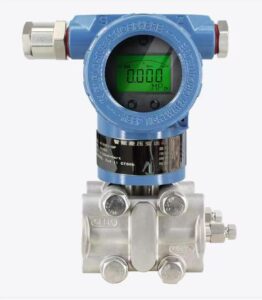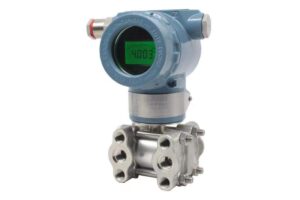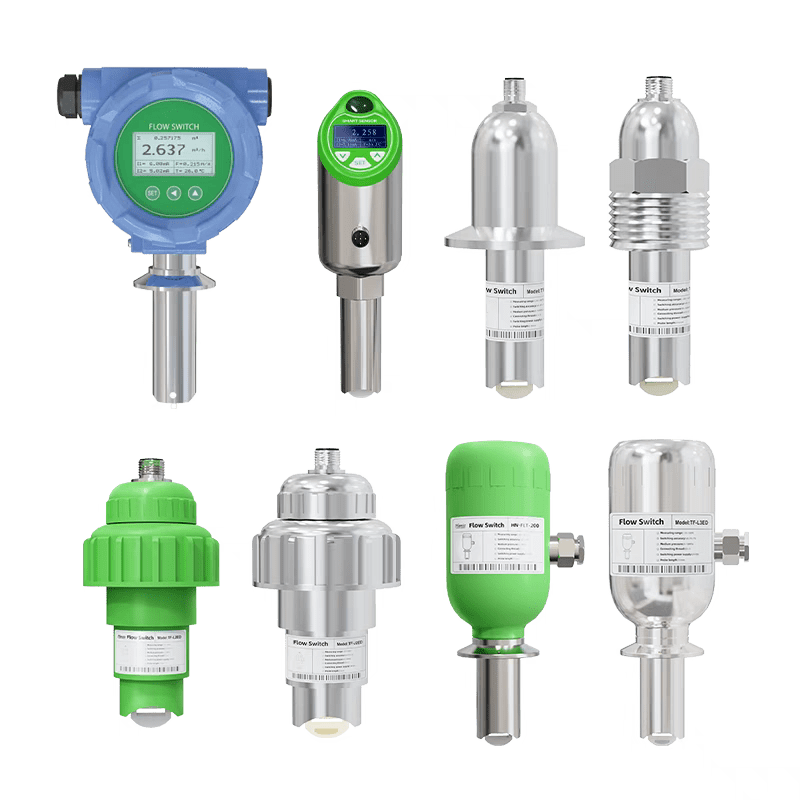
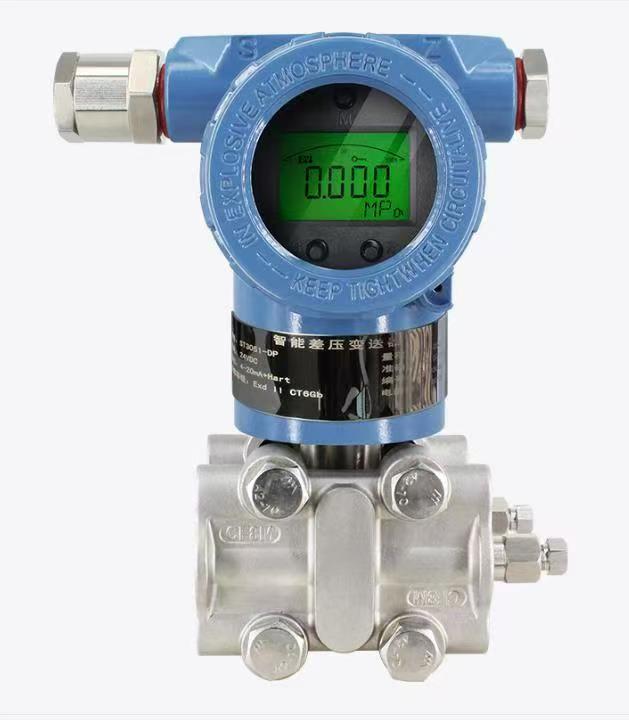
In an industrial production facility, pressure transmitters are often small components within much larger systems.
They monitor pipelines, reactors, pumps, hydraulic equipment, and other critical process equipment.
However, if a pressure transmitter provides an incorrect signal or stops working, the control system may trigger an alarm or protective shutdown.
In some applications, a single instrument failure can interrupt an entire production line.
Consider a hypothetical scenario: one pressure transmitter fails and production stops for eight hours.
How much does this actually cost?
1. The Direct Cost of Production Downtime
The first cost is lost production.
Assume a production line generates an average contribution margin of USD 2,000 per operating hour.
If the line stops for eight hours:
Production loss = USD 2,000 × 8 = USD 16,000
This is an illustrative calculation, not a universal industry figure.
The actual financial impact depends on production capacity, product value, operating costs, and whether lost production can be recovered later.
2. Additional Labor Costs
An instrument failure may require several people to investigate and resolve the problem.
These may include:
Instrumentation technicians.
Electrical engineers.
Process operators.
Maintenance supervisors.
External service personnel.
Suppose four employees spend three hours troubleshooting and replacing the transmitter, with an average labor cost of USD 40 per hour.
The additional labor cost is:
4 × 3 × USD 40 = USD 480
3. Replacement and Maintenance Costs
The failed transmitter may need to be replaced.
Other costs may include:
Emergency spare-part purchases.
Express transportation.
Installation materials.
Calibration equipment.
External technical support.
For example, assume the replacement instrument and related emergency expenses total USD 600.
4. Delayed Delivery and Customer Impact
Production downtime may also affect delivery commitments.
If a factory cannot complete an order on schedule, it may face:
Additional logistics costs.
Rescheduling expenses.
Contractual penalties, where applicable.
Customer dissatisfaction.
Potential loss of future business.
These costs are not always easy to calculate, but they should not be ignored.
5. Example of Total Failure Cost
Using the hypothetical figures above:
| Cost Category | Estimated Cost |
|---|---|
| Eight hours of production loss | USD 16,000 |
| Troubleshooting labor | USD 480 |
| Replacement and emergency expenses | USD 600 |
| Total direct estimated impact | USD 17,080 |
This example excludes possible contractual penalties and long-term customer losses.
It demonstrates why the purchase price of an instrument should not be the only procurement consideration.
6. How Can Manufacturers and Buyers Reduce This Risk?
Several measures can help reduce instrument-related downtime.
Select suitable products: Confirm pressure range, overload conditions, process compatibility, and operating temperature.
Verify performance: Review calibration records and relevant test results.
Improve installation: Follow the manufacturer’s mounting and wiring instructions.
Establish maintenance procedures: Monitor abnormal readings and perform inspections according to application requirements.
Prepare critical spare parts: Keep suitable replacement instruments or components available for critical measurement points.
Evaluate suppliers: Consider product consistency, technical support, warranty, and delivery capability.
7. Reliability Should Be Part of Procurement Decisions
When purchasing pressure transmitters, buyers should compare the total cost of ownership rather than only the initial quotation.
A reliable instrument may cost more initially but help reduce maintenance frequency and unexpected downtime.
For critical measurement points, this difference can be financially significant.
Conclusion
A pressure transmitter may be a relatively small component, but its failure can create substantial costs throughout an industrial production system.
An eight-hour shutdown can involve lost production, labor, emergency replacement, and delayed deliveries.
The best way to reduce these risks is to select suitable instruments, verify actual performance, maintain equipment properly, and work with dependable manufacturers.
In industrial production, instrument reliability is not simply a technical specification. It is an important part of production efficiency and business profitability.
Scan the QR code to receive more detailed information.