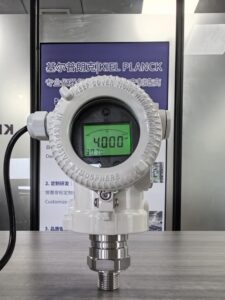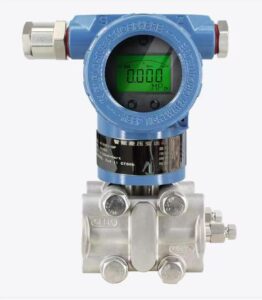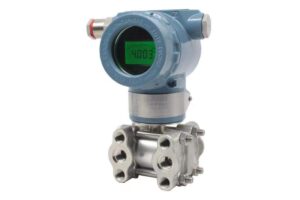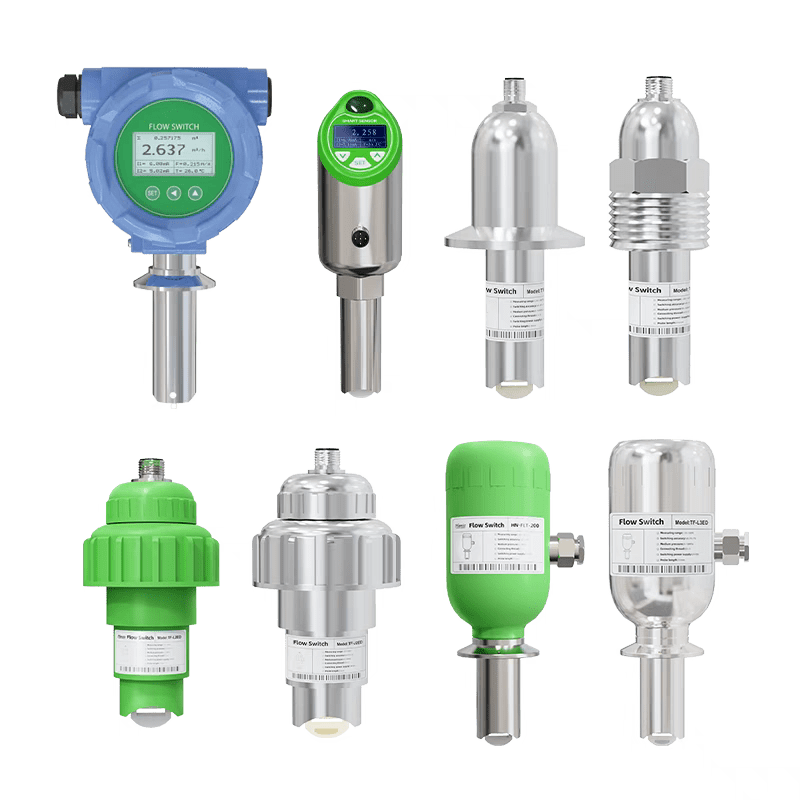
Every industrial procurement team wants to purchase reliable instruments at competitive prices.
However, some problems only become visible after the equipment arrives at the factory or is installed at the project site.
A pressure transmitter may show unstable readings. Another unit from the same batch may perform differently. A supplier may also struggle to provide timely technical support.
After experiencing these problems, procurement teams often realize that their original purchasing checklist was incomplete.
Here are three requirements worth adding.
1. Requirement One: Verifiable Product Performance
Do not accept technical claims without supporting information.
A catalogue may state that a pressure transmitter offers high accuracy and excellent stability.
However, buyers should request evidence.
Important documents include:
Product datasheets.
Calibration records.
Accuracy specifications.
Temperature performance information.
Overload specifications.
Relevant test reports.
For important applications, arrange sample testing before approving a large order.
The test method and acceptance limits should be agreed upon in advance.
2. Requirement Two: Batch Consistency
One successfully tested sample does not guarantee that every unit in a production batch will perform equally well.
For equipment manufacturers, batch consistency is essential.
Ask the supplier:
Is every transmitter individually calibrated?
Are final inspection records available?
Are production batches traceable?
How are nonconforming products handled?
Are critical components controlled?
A professional quality-management system should help maintain consistent product performance.
3. Requirement Three: Clear After-Sales Responsibilities
Technical support should be part of the supplier evaluation process.
Before placing an order, confirm:
Warranty period.
Warranty coverage.
Technical response arrangements.
Spare-part availability.
Repair and replacement procedures.
Product documentation.
Long-term support arrangements.
For overseas buyers, communication efficiency is particularly important.
A supplier that can respond clearly and provide practical technical guidance can reduce project risks.
4. A Better Procurement Evaluation Table
| Original Purchasing Focus | New Requirement |
|---|---|
| Purchase price | Total cost of ownership |
| Catalogue accuracy | Verified test results |
| Sample quality | Batch consistency |
| Delivery date | Defined delivery commitment |
| Basic warranty | Clear warranty responsibilities |
| Product quotation | Technical support capability |
5. A Simple Supplier Approval Process
Before approving a new supplier, procurement and engineering teams can follow these steps:
Step 1: Review the supplier’s technical documents.
Step 2: Evaluate representative samples.
Step 3: Confirm manufacturing and inspection procedures.
Step 4: Verify certifications and documentation.
Step 5: Agree on warranty and after-sales conditions.
Step 6: Start with a controlled order before increasing purchasing volume.
This process helps reduce the risks associated with unfamiliar suppliers.
Conclusion
A bad instrument purchase can teach an important lesson: the lowest quotation does not necessarily represent the best procurement decision.
Verifiable performance, batch consistency, and clear after-sales responsibilities should become essential supplier evaluation requirements.
Industrial buyers should look beyond product prices and build long-term relationships with manufacturers that can demonstrate reliable quality and professional support.
A better procurement checklist today can prevent unnecessary problems tomorrow.
Scan the QR code to receive more detailed information.