
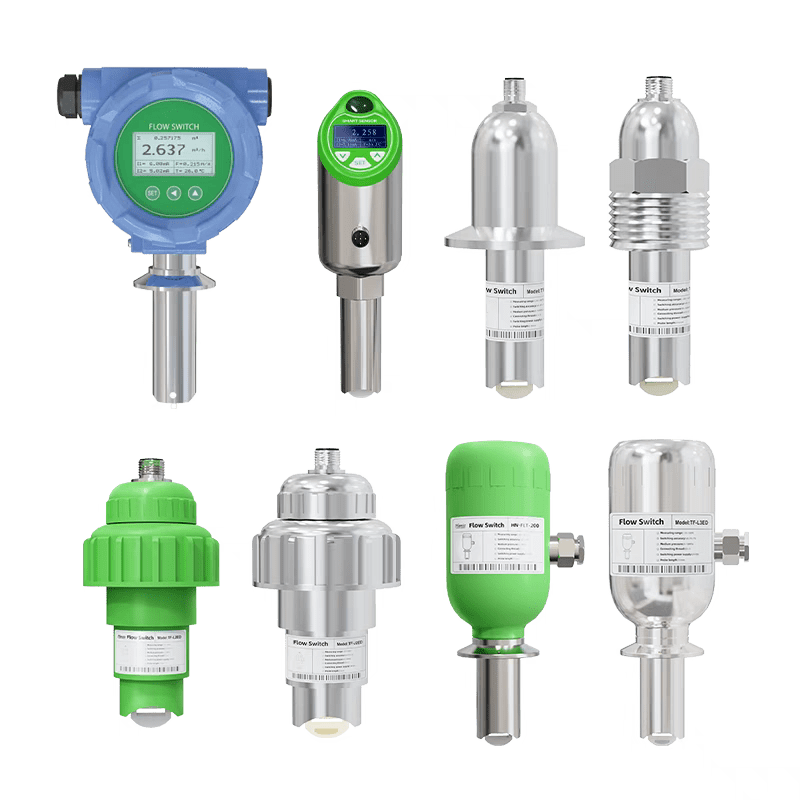
One Failed Pressure Transmitter Stopped an Entire Production Line for Eight Hours: How to Calculate the Real Cost
A pressure transmitter may represent only a small part of an industrial production system, but its failure can have a much greater financial impact. When an instrument causes an unexpected shutdown, the real cost may include lost production, labor, troubleshooting, replacement parts, and delayed deliveries. This article explains how to evaluate the total economic impact of instrument failure
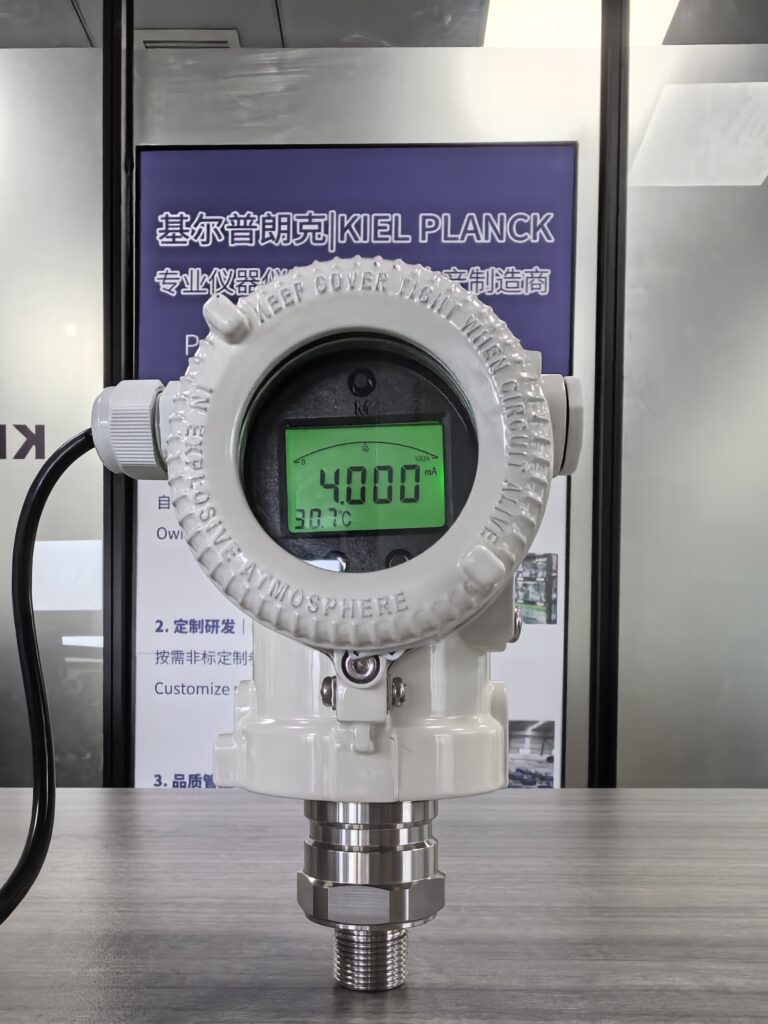
After One Bad Instrument Purchase, Our Procurement Checklist Gained Three New Requirements
An unsuitable industrial instrument can create problems that extend far beyond its purchase price. Measurement instability, inconsistent product quality, and insufficient supplier support can affect commissioning and production. This article examines three important procurement requirements that industrial buyers should add to their supplier evaluation process after experiencing instrument quality problems.
From Engineering Design to Commissioning: A Complete Checklist for Single-Crystal Silicon Instruments
Selecting a single-crystal silicon pressure transmitter is only one step in a successful industrial instrumentation project. Proper engineering design, procurement verification, installation, calibration, and commissioning are equally important. This article provides a practical checklist covering the complete process from instrument selection to field operation.
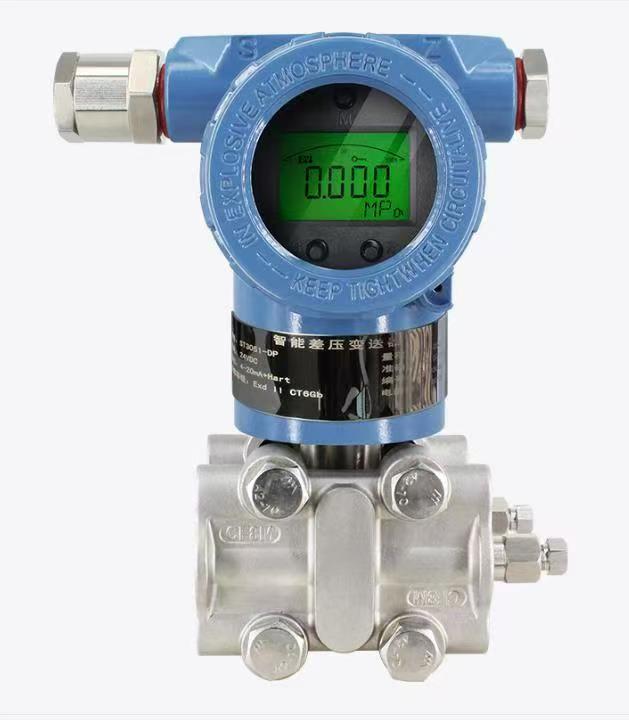
Delivery Time, Warranty, and Spare Parts: Three Contract Terms More Important Than Price
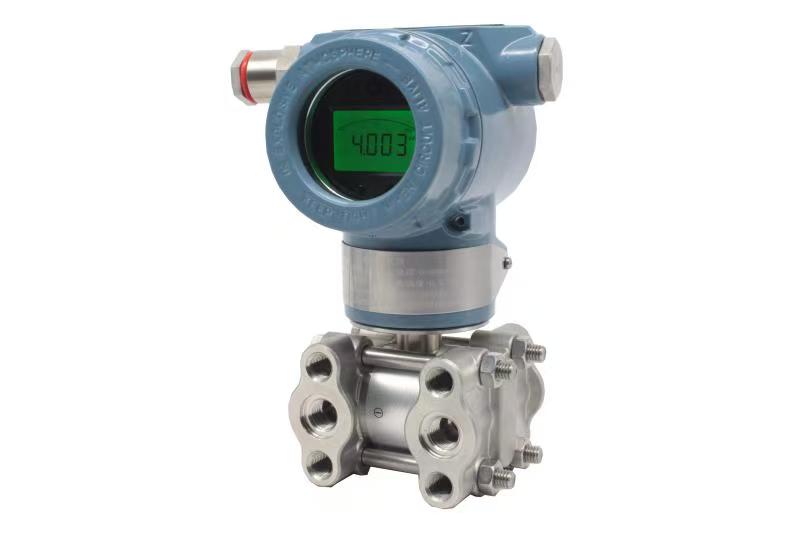
When purchasing industrial pressure transmitters and other process instruments, buyers often focus heavily on unit price. However, delivery time, warranty responsibilities, and spare-part availability can have a greater influence on project costs and long-term operating efficiency. This article explains three important contract terms that procurement managers should clarify before placing an order.
Chemical Processing, Water Treatment, and Metallurgy: Different Pressure Transmitter Selection Requirements
Single-crystal silicon pressure transmitters can be used in many industrial applications, but different industries have different measurement requirements. Chemical processing focuses heavily on material compatibility, water treatment requires attention to corrosion and environmental conditions, while metallurgy often involves demanding temperatures, vibration, and pressure fluctuations. This article compares the selection considerations across three major industries.
Five Common Mistakes in Instrument Procurement for New Energy Projects
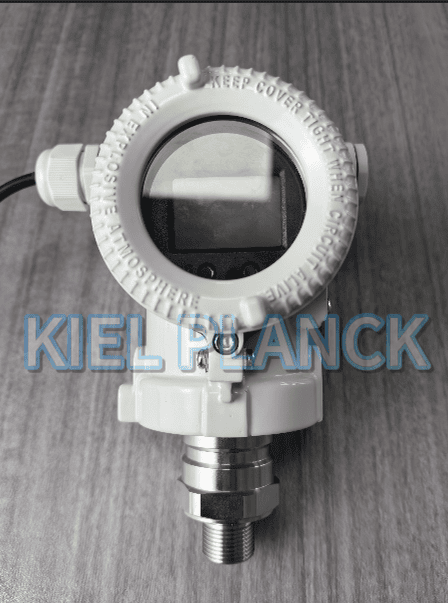
New energy projects often involve demanding operating conditions, strict project schedules, and detailed technical specifications. Pressure transmitters, flowmeters, and level instruments must be selected according to actual process requirements. This article explains five common procurement mistakes that can create problems during installation, commissioning, and long-term operation.
Single-Crystal Silicon Flow Measurement Selection: Avoid These Mistakes in Accuracy, Turndown Ratio, and Process Medium
Selecting a flow measurement system requires more than choosing a flowmeter based on nominal accuracy. Measurement range, turndown ratio, process medium, pressure conditions, temperature, and installation requirements all influence performance. This article explains common selection mistakes involving differential pressure flow measurement systems and single-crystal silicon differential pressure transmitters.
Six Questions to Ask Before Buying a Single-Crystal Silicon Pressure Transmitter
Choosing a single-crystal silicon pressure transmitter requires more than reviewing a catalogue or comparing prices. Buyers should understand the sensing technology, accuracy, stability, overload performance, process compatibility, and quality-control procedures. This article presents six practical questions that help procurement managers and engineers evaluate manufacturers before placing an order.
Domestic Replacement Is on Every Procurement Director’s Agenda: Four Tests You Should Never Skip
Domestic replacement has become an important procurement strategy for industrial equipment manufacturers and engineering companies. However, replacing an imported pressure transmitter without sufficient verification can introduce unexpected risks. This article explains four essential validation steps: technical specification comparison, laboratory testing, field pilot testing, and long-term reliability evaluation.

