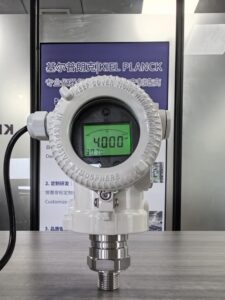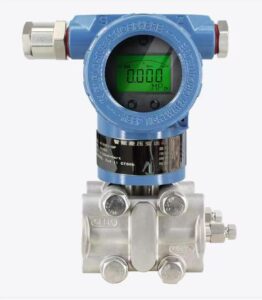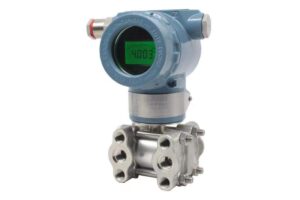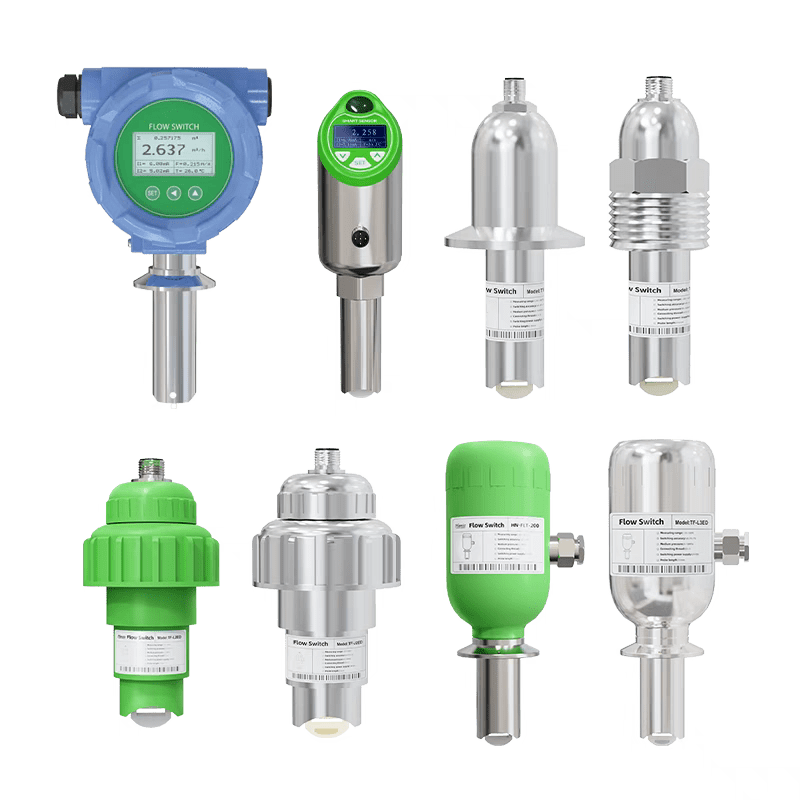
The development of hydrogen energy, battery manufacturing, solar power, and other new energy industries has created new opportunities for industrial instrumentation manufacturers.
These projects often involve multiple process systems, including gas handling, liquid circulation, pressure control, and temperature monitoring.
However, instrument procurement can become complicated when project requirements are incomplete or misunderstood.
Here are five common mistakes that buyers should avoid.
1. Selecting Instruments Based Only on Price
A lower purchase price may appear attractive during the initial procurement stage.
However, the total project cost also includes installation, commissioning, maintenance, spare parts, and potential production downtime.
An instrument that cannot maintain stable performance may create additional costs after installation.
Evaluate suppliers using both technical and commercial criteria.
2. Ignoring Actual Operating Conditions
A product’s standard configuration may not be suitable for every application.
For example, hydrogen-related projects may require special consideration of gas compatibility, pressure conditions, material selection, and sealing design.
Before ordering, confirm:
Process medium.
Operating pressure.
Maximum pressure.
Process temperature.
Ambient temperature.
Pressure fluctuations.
Required materials.
Provide complete process information to the manufacturer.
3. Confusing Measurement Range With Pressure Rating
A pressure transmitter’s measuring range describes the pressure it is designed to measure.
Its maximum allowable working pressure is a different parameter.
Buyers must verify both values.
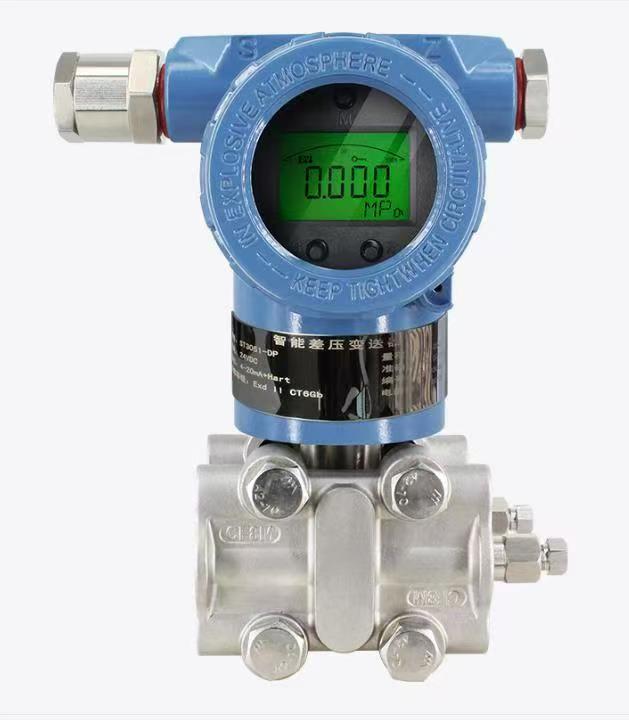
For differential pressure transmitters, static pressure requirements should also be checked.
Ignoring these differences can lead to unsuitable instrument selection.
4. Overlooking Certifications and Documentation
New energy projects may have specific certification and documentation requirements.
Depending on the location and application, buyers may need to review:
CE conformity documentation.
ATEX or IECEx documentation.
North American hazardous-location approvals.
SIL-related documentation.
Material certificates.
Calibration records.
Not every instrument requires every certificate. Requirements should be determined by the project specification and applicable regulations.
5. Failing to Confirm Delivery and Spare Parts
Project schedules can be affected by delayed instruments or unavailable replacement components.
Before placing an order, confirm:
Production lead time.
Inspection and testing schedule.
Shipment arrangements.
Spare-part availability.
Warranty conditions.
Technical support.
For large projects, consider arranging critical spare parts in advance.
Conclusion
Successful instrument procurement for new energy projects depends on more than finding a suitable product at a competitive price.
Buyers must verify operating conditions, pressure ratings, materials, certifications, and delivery arrangements before approving suppliers.
A structured procurement process helps reduce technical risks, avoid commissioning delays, and support long-term equipment reliability.
Working closely with an experienced instrumentation manufacturer can make the entire project more efficient.
Scan the QR code to receive more detailed information.