Flow measurement is essential in industrial production.
A suitable measurement system helps operators monitor process conditions, control material consumption, and improve production efficiency.
However, incorrect selection can lead to unstable readings, excessive measurement errors, and unnecessary maintenance.
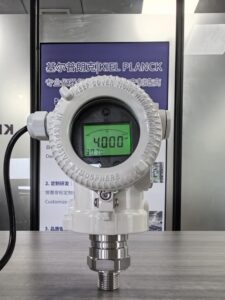
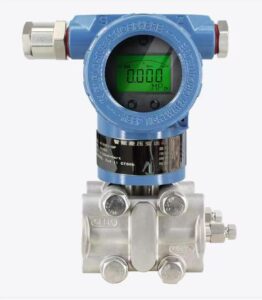
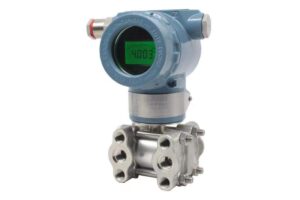
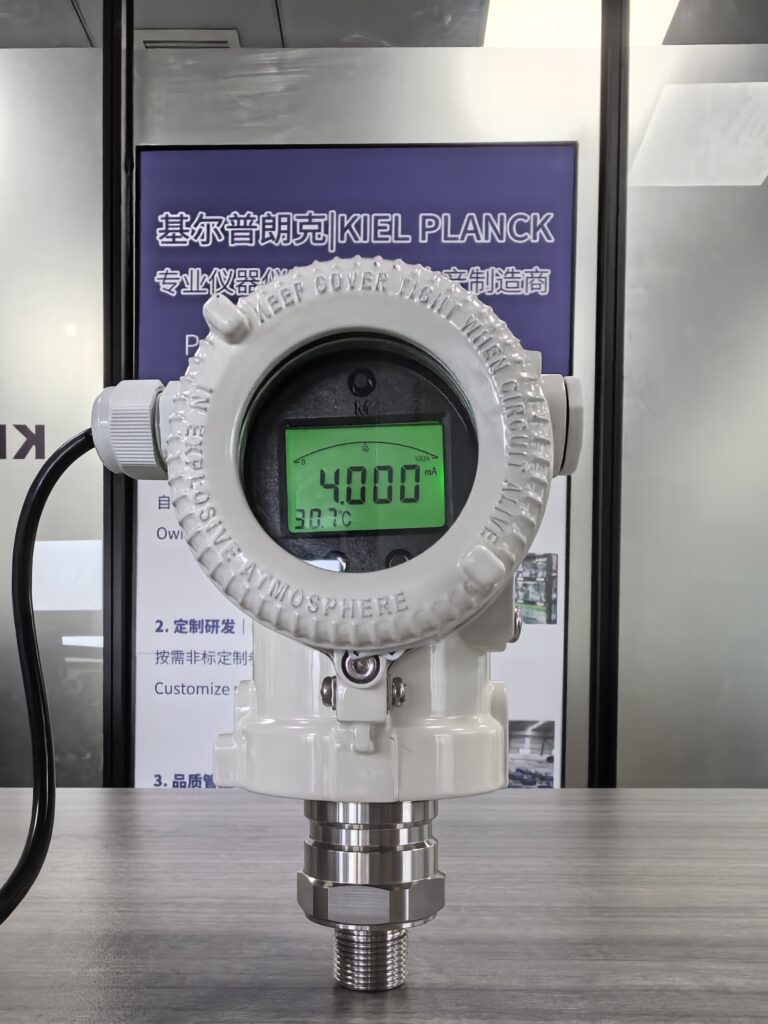
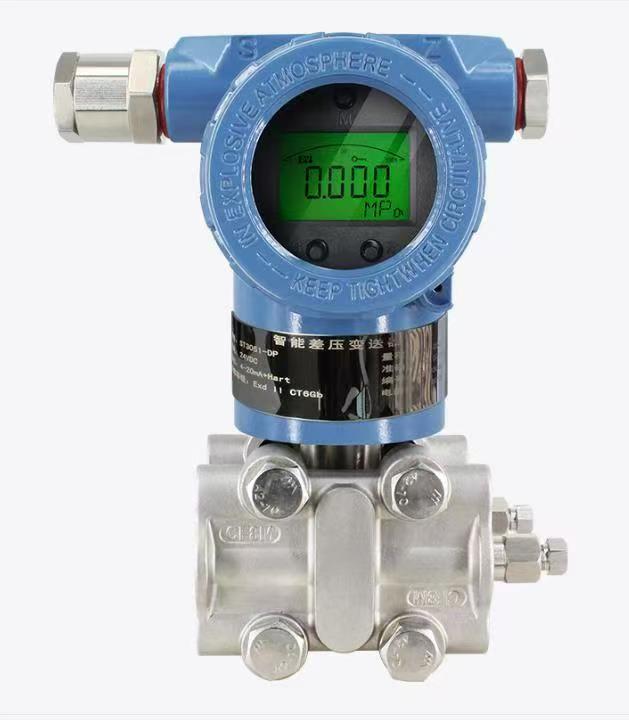
For differential pressure flow measurement systems, the pressure transmitter is one of the most important components.
Here are three areas buyers should never assume.
1. Accuracy: Do Not Compare Only One Number
Manufacturers may advertise different accuracy values for their transmitters and flow measurement systems.
However, buyers should first understand what is being measured.
There is a difference between:
Differential pressure transmitter accuracy.
Primary flow element accuracy.
Complete flow measurement system accuracy.
For an orifice-based flow measurement system, flow is generally related to the square root of differential pressure under the applicable calculation conditions.
Therefore, transmitter accuracy alone does not represent the total uncertainty of the flow measurement system.
Installation conditions, fluid properties, pressure and temperature compensation, and primary element design also matter.
2. Turndown Ratio: A Larger Number Is Not Always Better
Turndown ratio describes the relationship between the maximum measurement span and the configured measurement span.
For a transmitter, it is important to understand the usable measurement range at the required performance level.
For differential pressure flow measurement, the usable flow range may be more restricted because flow is related to the square root of differential pressure.
If the differential pressure becomes very small, measurement uncertainty can become more significant.
Before selecting a transmitter, determine:
Minimum flow.
Normal flow.
Maximum flow.
Expected operating variations.
Required accuracy across the entire range.
Do not select a high turndown ratio based only on promotional specifications.
3. Process Medium: Never Assume Compatibility
The measured medium affects the selection of the complete flow measurement system.
Consider the following:
Water: Evaluate conductivity if selecting an electromagnetic flowmeter, or fluid properties for differential pressure measurement.
Steam: Consider pressure, temperature, density compensation, and condensate management.
Gas: Evaluate compressibility, operating pressure, temperature, and density compensation.
Corrosive liquids: Check the compatibility of all wetted materials.
4. Installation Conditions Matter
A correctly selected transmitter can still deliver poor results if the installation is incorrect.
Check:
Primary element dimensions.
Straight pipe requirements.
Impulse line arrangement.
Mounting position.
Drain and vent arrangements.
Manifold configuration.
Environmental conditions.
Follow the installation instructions for the selected measurement system.
5. Selection Checklist
| Parameter | Questions |
|---|---|
| Accuracy | What is the system-level uncertainty? |
| Range | What are minimum, normal, and maximum flow rates? |
| Turndown | Is the required operating range achievable? |
| Medium | Is the material compatible? |
| Pressure | What are operating and maximum pressures? |
| Temperature | What are process and ambient temperatures? |
| Installation | Are piping and mounting conditions suitable? |
| Maintenance | Can the system be inspected and calibrated? |
Conclusion
Selecting a flow measurement system requires a complete understanding of the process, not simply choosing the transmitter with the highest advertised accuracy or turndown ratio.
For differential pressure flow measurement, the primary element, transmitter, process conditions, and installation arrangement must work together.
Careful selection at the beginning can improve measurement reliability and reduce maintenance costs throughout the equipment’s service life.
Scan the QR code to receive more detailed information.