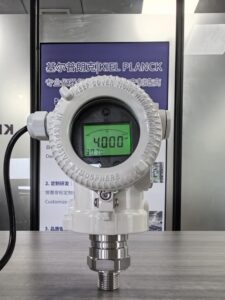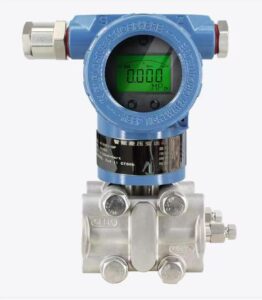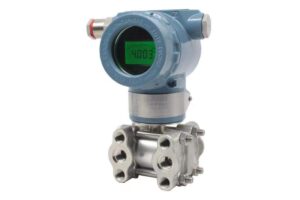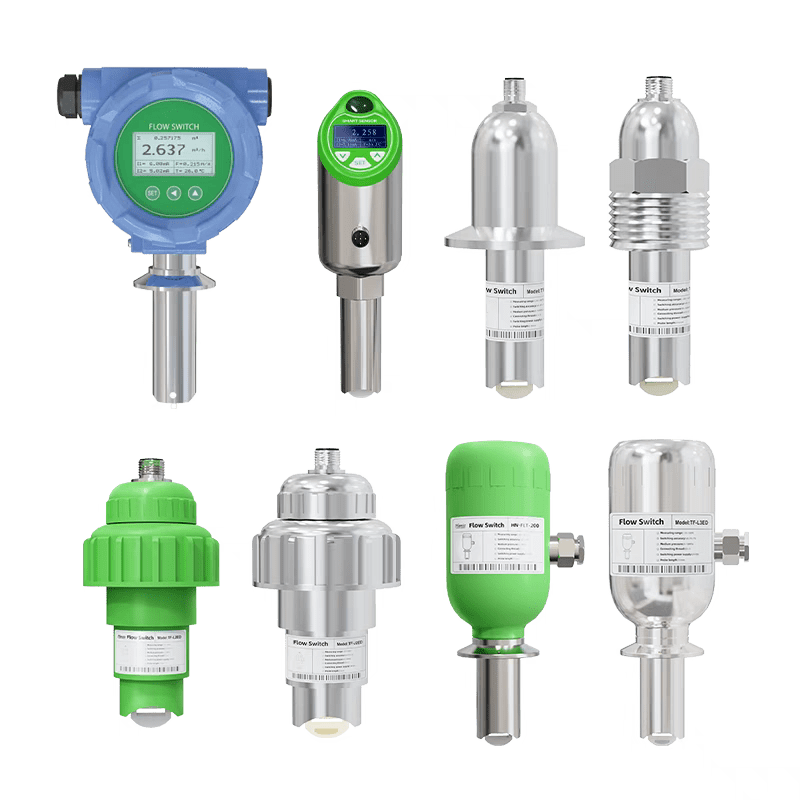
Industrial instrumentation projects involve multiple stages.
An instrument may be correctly selected during the design stage but still experience problems because of incorrect ordering, unsuitable installation, or insufficient commissioning checks.
For pressure transmitters and differential pressure transmitters, every stage should be carefully controlled.
The following checklist helps engineering companies, equipment manufacturers, and instrumentation contractors manage the process.
1. Engineering Design Stage
The design stage determines whether the selected instrument can meet the process requirements.
Confirm the following:
Measurement type: gauge, absolute, or differential pressure.
Normal operating pressure.
Minimum and maximum pressure.
Static pressure, where applicable.
Process temperature.
Ambient temperature.
Process medium.
Wetted materials.
Required accuracy.
Output signal.
Communication protocol.
Process connection.
Hazardous-area requirements.
For differential pressure flow measurement, also confirm the primary element, expected flow range, and calculation requirements.
2. Procurement Stage
Once the technical specification is approved, the purchasing team should verify the order configuration.
Check:
Exact model number.
Measurement range.
Output signal.
Process connection.
Electrical connection.
Housing material.
Diaphragm material.
Cable entry.
Display requirements.
Certification requirements.
Request the relevant technical documents before confirming production.
3. Factory Inspection Stage
Before shipment, inspect the instruments according to the agreed quality requirements.
Recommended checks include:
Appearance: Check the housing, connections, labels, and overall condition.
Configuration: Confirm the measurement range and output settings.
Calibration: Review the calibration results.
Electrical performance: Check signal output and wiring.
Documentation: Verify datasheets, manuals, and applicable certificates.
For critical projects, consider a formal factory acceptance test.
4. Installation Stage
Correct installation is essential for reliable measurement.
Important considerations include:
Correct mounting position.
Suitable process connections.
Proper sealing.
Correct impulse line arrangement for differential pressure applications.
Appropriate venting and draining.
Suitable cable routing.
Grounding and electrical protection.
Environmental protection.
Always follow the manufacturer’s installation instructions and applicable project standards.
5. Commissioning Stage
Before starting normal operation, perform a commissioning inspection.
Check the following:
Confirm that the instrument model matches the approved specification.
Verify the pressure range and configuration.
Check electrical wiring.
Confirm output signal direction and scaling.
Compare readings with a suitable reference.
Verify communication with the control system.
Check for leakage or abnormal mechanical conditions.
Record commissioning results.
For differential pressure flow systems, verify the transmitter connections and associated primary element configuration.
6. Operation and Maintenance
After commissioning, establish a suitable maintenance plan.
Monitor:
Measurement trends.
Zero-point changes.
Unexpected signal fluctuations.
Process connection condition.
Environmental effects.
Calibration requirements.
The inspection interval should be based on application risk, manufacturer recommendations, and operating experience.
7. Full Project Checklist
| Project Stage | Main Inspection Focus |
|---|---|
| Design | Process conditions and instrument specification |
| Procurement | Model and configuration |
| Factory | Calibration and quality inspection |
| Installation | Mounting and connections |
| Commissioning | Signal and measurement verification |
| Operation | Stability and maintenance |
Conclusion
Reliable pressure measurement depends on the entire project process, not just the instrument itself.
From engineering design and procurement to factory inspection, installation, and commissioning, each stage contributes to the final measurement result.
A systematic checklist helps reduce configuration errors, installation problems, and unexpected maintenance.
For industrial equipment manufacturers, complete project control is an important part of building reliable measurement systems.
Scan the QR code to receive more detailed information.