
Why Single-Crystal Silicon Pressure Transmitters Are a Major Challenge in China’s Sensor Industry
The global sensor market continues to develop alongside industrial automation, renewable energy, and intelligent manufacturing. Within industrial pressure measurement, single-crystal silicon technology represents an important area of technical competition. This article examines why domestic manufacturers face challenges in improving sensor performance, manufacturing consistency, and high-end product competitiveness.
Top Chinese Single-Crystal Silicon Pressure Transmitter Manufacturers to Evaluate in 2026
China’s industrial instrumentation industry includes manufacturers offering single-crystal silicon pressure transmitters for process control, equipment manufacturing, and industrial automation. However, there is no universally accepted public ranking that proves which manufacturer is the best. This article introduces a practical supplier evaluation approach and examples of companies that buyers may investigate when sourcing pressure transmitters in 2026.
From Data Collection to Intelligent Insights: What Is Next for Single-Crystal Silicon Flow Measurement?
Industrial flow measurement is evolving from basic data collection toward intelligent process monitoring and decision-making. Single-crystal silicon pressure sensing technology, when integrated into differential pressure flow measurement systems, offers opportunities for improved measurement accuracy, stability, and digital integration. This article explores how intelligent instrumentation may reshape the future of industrial flow measurement.
CE for Europe, but What About North America? A Guide to Instrument Certification
Industrial instrument manufacturers exporting to different international markets need to understand local compliance requirements. CE marking is important for many products entering the European Economic Area, but it is not a universal certification for North America. This article introduces the main certification considerations for pressure transmitters, flowmeters, and other industrial instruments entering European and North American markets.
Does a SIL-Certified Transmitter Guarantee Safety? Understanding SIL 2 and SIL 3
SIL certification is an important consideration when selecting instruments for safety-related industrial applications. However, purchasing a SIL-certified transmitter does not automatically make an entire process safe. This article explains the meaning of SIL 2 and SIL 3, the role of safety instrumented systems, and the factors engineers should evaluate before selecting a safety-related pressure transmitter.
What Does Ex d IIC T6 Mean? A Simple Guide to Explosion-Proof Instrument Selection
Explosion-proof markings can be confusing for industrial instrument buyers. What does Ex d IIC T6 actually mean? This article explains the meaning of each part of the marking, introduces the relationship between gas groups and temperature classes, and provides practical guidance for selecting pressure transmitters and other instruments for hazardous areas.
Is the Pressure Transmitter Market Reaching Its Limit? Our Answer: Compete Through Better Technology
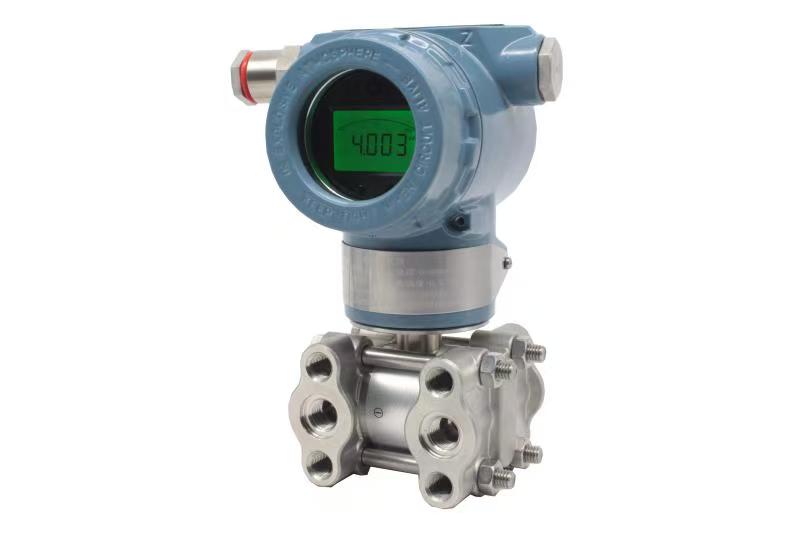
The pressure transmitter market has become increasingly competitive, with manufacturers facing pricing pressure and similar product specifications. However, industrial customers still need better measurement performance, higher reliability, and more professional technical support. This article explains why manufacturers should move beyond price competition and focus on technology, quality, and application-specific solutions.
Domestic Sensor Replacement: Accuracy Is Not the Only Challenge
Domestic replacement of industrial sensors has moved beyond simply matching the accuracy specifications of imported products. Long-term stability, manufacturing consistency, core component quality, and engineering capabilities are equally important. This article explores two major challenges facing domestic sensor manufacturers and explains what buyers should consider when evaluating alternative suppliers.
Who Defines a Good Instrument? The Gap Between Manufacturer Claims and Customer Acceptance
Manufacturers often describe their instruments using terms such as high accuracy, excellent stability, and outstanding reliability. However, industrial users evaluate products based on actual operating performance. This article explores the differences between manufacturer specifications and customer acceptance criteria, helping buyers establish more practical evaluation standards.

