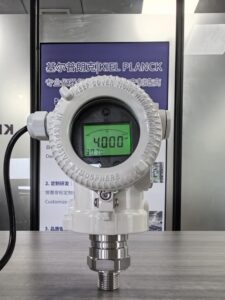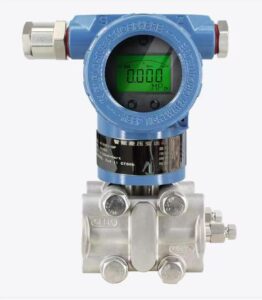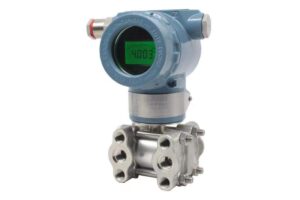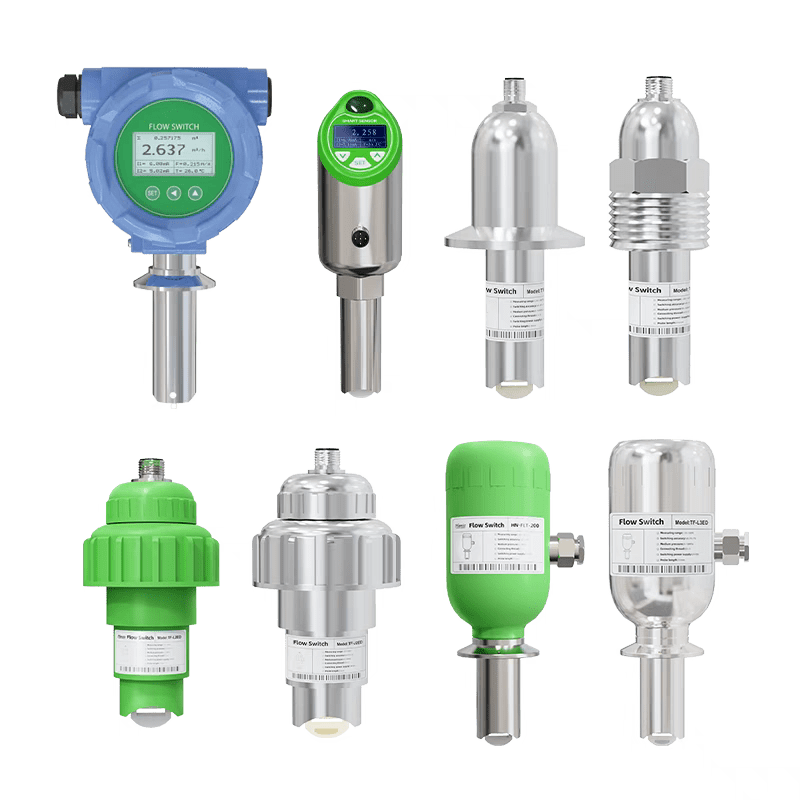
Domestic replacement of industrial sensors has moved beyond simply matching the accuracy specifications of imported products. Long-term stability, manufacturing consistency, core component quality, and engineering capabilities are equally important. This article explores two major challenges facing domestic sensor manufacturers and explains what buyers should consider when evaluating alternative suppliers.
Introduction
Domestic substitution is becoming increasingly important in the industrial instrumentation industry.
More equipment manufacturers are considering domestic pressure transmitters, flowmeters, level sensors, and temperature instruments instead of relying entirely on imported products.
However, replacing an imported instrument is not as simple as producing a product with the same measurement range and accuracy.
The real challenge lies in achieving consistent performance throughout the product lifecycle.
1. Challenge One: Core Technology and Manufacturing Processes
Measurement accuracy is only one part of sensor performance.
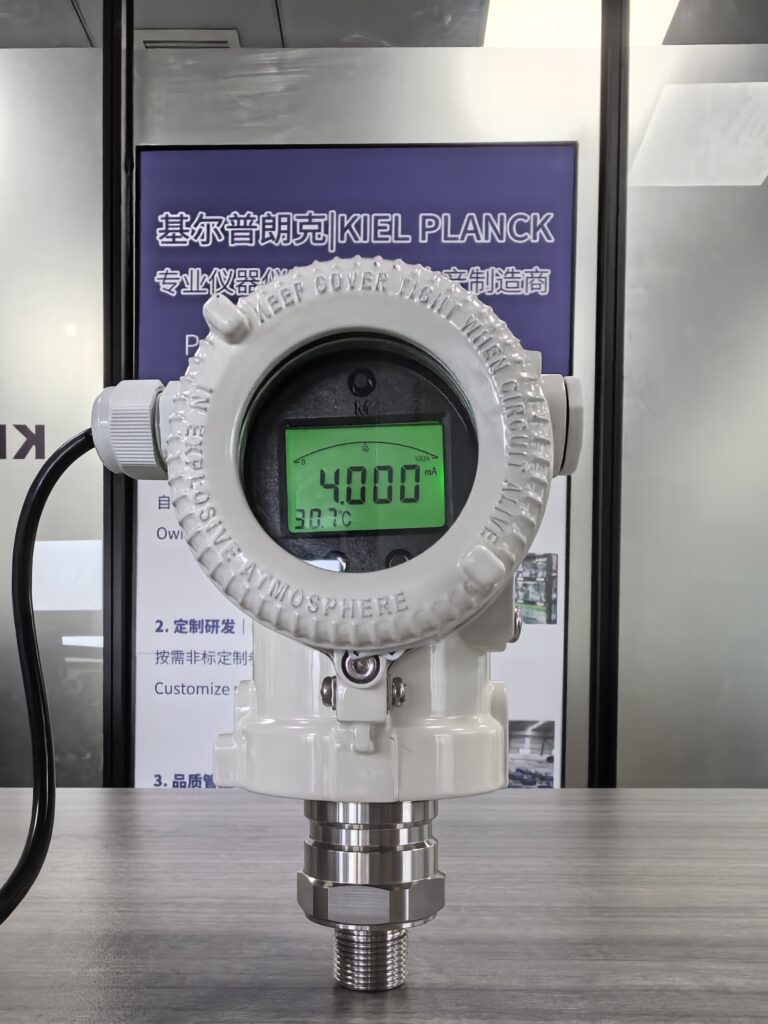
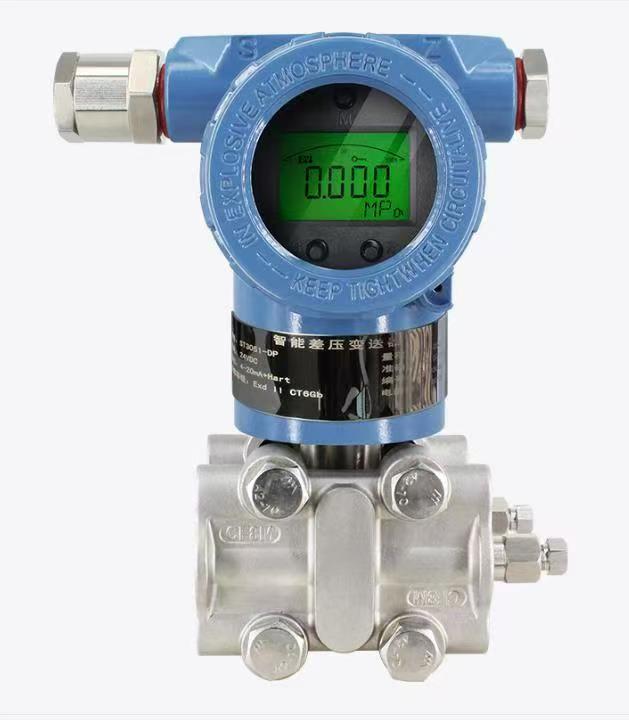
A pressure transmitter, for example, depends on several technical elements:
Sensor chip quality.
Mechanical structure.
Isolation diaphragm design.
Temperature compensation.
Electronic signal processing.
Calibration technology.
Even when two products have similar nominal accuracy, their temperature characteristics, overload performance, and long-term drift may differ.
Manufacturers must continuously improve their core technology and production processes to achieve reliable performance.
2. Challenge Two: Batch Consistency and Long-Term Reliability
For industrial equipment manufacturers, consistency is often more important than the performance of one individual sample.
Imagine an equipment manufacturer purchasing 500 pressure transmitters for a production project.
If the measurement characteristics vary significantly between units, installation, commissioning, and system calibration become more complicated.
Important quality-control measures include:
Incoming component inspection.
Standardized production procedures.
Temperature compensation verification.
Individual calibration.
Final performance inspection.
Traceable production records.
Batch consistency should be supported by inspection data rather than promotional statements.
3. The Importance of Engineering Support
A sensor is part of a larger industrial measurement system.
Successful replacement requires consideration of:
Electrical interfaces.
Mechanical connections.
Communication protocols.
Installation dimensions.
Process compatibility.
System integration.
Manufacturers that understand the complete application can provide more useful technical support than suppliers who focus only on selling individual products.
4. What Should Buyers Evaluate?
| Evaluation Area | Key Question |
|---|---|
| Core technology | Is the sensing structure suitable? |
| Accuracy | Does it meet project requirements? |
| Stability | Is long-term drift documented? |
| Manufacturing | Are production procedures standardized? |
| Batch consistency | Are units tested individually? |
| Integration | Are connections and signals compatible? |
| Service | Is technical support available? |
5. Domestic Replacement Is a Long-Term Process
Imported products may have established engineering records and extensive application experience.
Domestic alternatives need to demonstrate their capabilities through testing, pilot installations, and long-term performance records.
The objective should not be to replace imported products at any cost. It should be to provide a technically suitable, reliable, and economically competitive alternative.
Conclusion
The next stage of domestic sensor replacement will depend on more than competitive pricing or advertised accuracy.
Core technology, long-term reliability, batch consistency, and engineering support are the two major areas manufacturers must continue improving.
For buyers, the best domestic alternative is one that meets actual process requirements and delivers dependable performance over time.
Contact us to learn more about our industrial sensor manufacturing capabilities and customized measurement solutions.
Scan the QR code to receive more detailed information.